
TOP 13 Types of Fly Fishing Flies
The world of fly fishing features four main types of fly fishing flies: nymphs (wet flies), emergers, streamers, and dry flies Each type serves a distinct purpose, helping anglers match the natural behavior and appearance of insects in the water, depending on what fish are feeding on at any given time.Fish spend 90% of their time feeding on nymphs, which makes fly fishing a nymph a vital technique to master for consistent results.
This complete guide will help you understand the dynamics above and below water, enabling you to choose the right flies for your target species. Your success with trout, panfish, salmon, or steelhead depends on knowing which patterns work best and the perfect time to use them.
1. Dry Flies
Dry flies stand at the peak of surface fishing. They float gently on the water's surface to mimic adult insects or terrestrial bugs that have fallen in. The flies use specific buoyant materials like hackle feathers, deer hair, and foam to stay afloat.
What Are Dry Flies
A well-tied dry fly lands softly on the water's surface without breaking it or getting wet. On top of that, it gets treated with water repellent to boost its floating abilities. The fly's construction creates realistic profiles of adult insects through careful material selection and tying techniques.
Best Dry Fly Patterns
Nature's diverse insect life shapes the most effective dry fly patterns. Here are the best dry flies for trout – essential patterns every fly box should have:
- Parachute Adams:- A versatile pattern that works during mayfly, caddis, and midge hatches

- BWO Sparkle Dun:- Effective for imitating small olive-colored mayflies from late winter through fall

- Elk Hair Caddis:- Perfect for caddis hatches and general searching patterns

- Chernobyl Ant:- A top choice among foam dry flies, perfect for big western rivers and hopper season.

When to Use Dry Flies
Success in dry fly fishing depends heavily on timing. These patterns shine during specific conditions and seasons. Spring brings reliable hatches like Baetis and March browns. Summer marks the peak season for dry fly fishing with notable hatches like salmon flies and golden stones. Late summer shifts into terrestrial season, and grasshoppers and ants become the go-to patterns.
Fish spot the flies better on the surface in clear water conditions. The best results often come during midday since insects are most active in warmer parts of the day.
Shop dry flies at wholesale prices per dozen at AquinaFlies.com. Get high-quality discount bulk flies for trout fishing.
2. Nymphs Flies
The most productive realm of fly fishing exists beneath the water's surface, where nymphs dominate. Trout spend 80% of their feeding time eating aquatic insects in their nymphal form.
Understanding Nymph Patterns
Nymph flies mirror the natural insect larvae and nymphal stages that live under rocks, aquatic vegetation, and fallen tree branches. These patterns sink and drift naturally in the current instead of floating on the surface. We designed these nymphs with weighted construction, using beads or wire wrappings to reach the right depth.
Popular Nymph Varieties
The best nymph flies combine attraction with imitation. Here are the foundations of any fly box:
- Pat's Rubber Leg Stone:- Perfect for imitating stonefly nymphs

- Flashback Pheasant Tail:- Versatile pattern with natural movement

- Hare's Ear:- Classic pattern that mimics various aquatic insects

- Zebra Midge:- Excellent for selective trout

How to fly fish with Nymphs
Successful nymph fly fishing depends on precise depth control and drift management. Fish stay within a foot of the bottom where current speed lets them hold position without wasting energy. Anglers should set their weight and indicator placement at 1.5 to 2 times the water depth to achieve optimal results.
A perfect drift is vital. Your fly behaves like a natural nymph for two or three feet, somewhat natural for 15 feet, and completely wrong for the remaining 12 feet of a typical 30-foot cast. Trout can be remarkably picky about their prey's speed and depth, even with the right pattern.
3. Streamer Flies
Streamer trout flies are a must-have for any angler. They’re super effective at getting fish to strike by mimicking bigger prey like baitfish, leeches, or crayfish—perfect for going after those aggressive, hungry trout. The streamer fly patterns for trout
create explosive, predatory strikes through active retrieval techniques.
Streamer Fly Basics
These bigger flies work best in tough conditions and show great results in high or stained water where visibility is vital. They work well when fish aren't feeding on insects or when you're trying new waters. The design creates life-like swimming motions with materials like marabou and flash that move naturally underwater.
Top Streamer trout flies
Some proven trout streamers fly patterns that deliver results in waters of all types:
- Sparkle Minnow:- Combines bulk and flash for excellent visibility

- Sex Dungeon:- Perfect to target large, territorial fish
Galloup's Sex Dungeon fly patterns in black, olive, and greyish-brown colors, showcasing premium streamers designed for trout fishing enthusiasts
- Sculpzilla:- Features a weighted front for jigging action
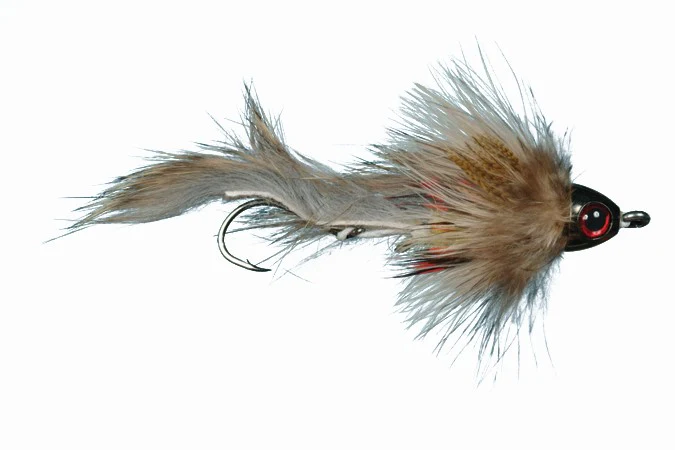
- Baby Gonga:- Ideal for light rod applications

Streamer Fishing Methods
You need smart approaches to succeed with fly fishing streamers. Fish close to the bank - within 6 inches works best. Your retrieve speed and depth should match the water conditions. A shorter leader (3-4 feet) will give you better control and connection with the fly.
The 'strip, strip, pause' technique is key when fly casting streamers, but be sure to adjust the rhythm based on water temperature and depth. Keep your rod tip low while stripping to improve your hook-set. In colder water, slower presentations tend to get more strikes.
Shop streamer flies at wholesale prices per dozen at AquinaFlies.com. Perfect for trout fishing —get yours today at discount price!
4. Wet Flies
Fly fishing with Wet Flies is one of the most traditional and highly effective methods for catching Trout and Grayling. Wet trout flies imitate a variety of aquatic and terrestrial insects, such as Beetles, Spiders, Sedges, and Olives. Some, with Silver and Gold bodies, resemble small fry, while others mimic live, edible prey that fish find irresistible. Whether fishing in still waters or fast-moving rivers, Wet Flies offer versatility and reliability, making them an essential choice for anglers.
Wet Fly Characteristics
The unique construction elements of wet flies distinguish them from other subsurface patterns. Soft hackle feathers create their signature look and pulse attractively in the water. Modern synthetic materials have replaced traditional ones like mallard flank and woodduck to boost durability. The design creates a "fishy" appearance that triggers strikes even in tough conditions.
Best wet flies for trout
Here are the best wet fly for trout every angler should have
- Coachman:- This is another classic wet fly pattern with a bright and attractive profile. Its red body, white wings, and black hackle make it a good choice for attracting attention in a variety of conditions.
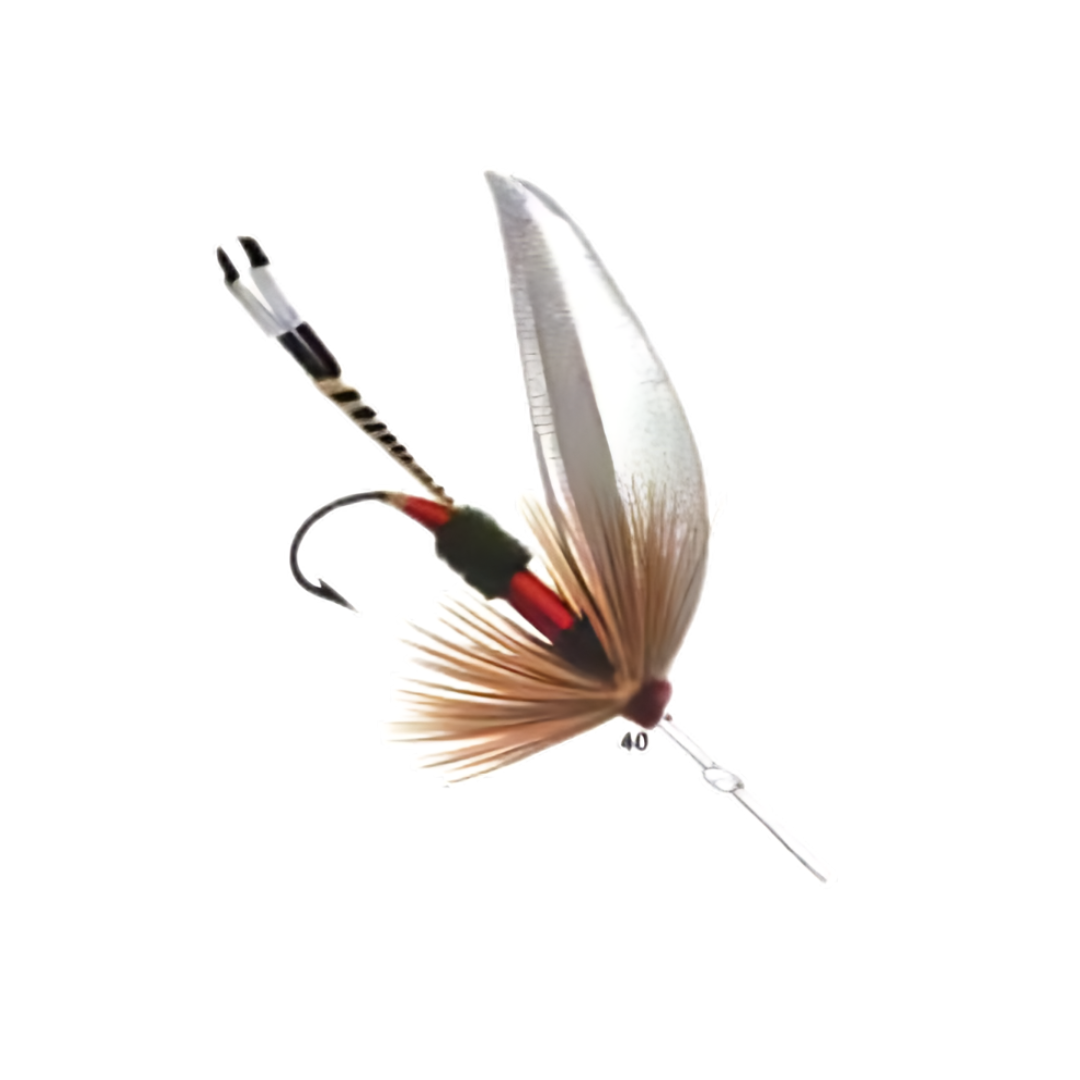
- Black Spider:- This is arguably the most iconic wet flies for trout. Its simple black body and hackle make it a versatile pattern that imitates a variety of aquatic insects. It's particularly effective in murky or stained water.

- Silver Doctor:- This flashy wet fly is known for its silver body, red tag, and contrasting black and yellow hackle. It's a classic salmon fly pattern but can also be effective for trout and other species.

- Gold-Ribbed Hare's Ear:- This pattern imitates a variety of aquatic larvae and nymphs. Its brown body, ribbed with gold wire, makes it a subtle yet effective choice for many fishing situations.

How to Fish a Wet fly
Wet fly fishing works best in slower glides where fish gather early in the season. Learning how to fish a wet fly involves techniques that let anglers cast from a distance without spooking cautious trout. Using a 9-11 foot leader with short droppers spaced 3-4 feet apart ensures optimal presentation. Line mending is vital—upstream mends reduce drag for natural drifts, while downstream mends increase speed when needed.
If you're wondering how to fish a wet fly effectively, remember that these patterns work year-round but become particularly effective during early season hatches. This technique shines in low, clear conditions where fish might spook from other methods. For success, fish wet flies in front of boulders, through riffles, and along undercut banks.
5. Emergers Fly Patterns
Emerger patterns mimic insects in their transitional stage just before becoming adults—a phase trout have learned to target. As insects struggle to break free from their nymphal shuck and reach the surface, they create an irresistible feeding opportunity for trout. These patterns are specifically crafted to imitate this delicate and vulnerable stage, making them essential tools in a fly fisher’s arsenal. Emerger fly patterns have become the cornerstone of modern fly fishing, offering unmatched effectiveness during hatches.
What is an Emerger Fly
These specialized patterns imitate aquatic insects that transition from their subsurface lives to winged adults. Emerger flies feature bodies that sit partially submerged in the surface film, with certain parts breaking through - they match insects in their most vulnerable state perfectly. The design uses lightweight materials that drift effortlessly with the current.
Best Emerger Patterns
These tried-and-true patterns are known for reliably fooling even the pickiest trout:
- RS2 Emerger:- Excels at imitating tiny mayflies, especially small olives

The CDC Mayfly Emerger – A must-have fly pattern for effective trout fishing in slow-moving waters.

- CDC & Sparkle Dun:- Features an upright wing and trailing shuck, perfect for fast water

- Klinkhammer:- Combines attractor qualities with emerger characteristics. Its buoyant body and CDC wings make it easy to see on the water and imitate the struggling emergence of an insect.
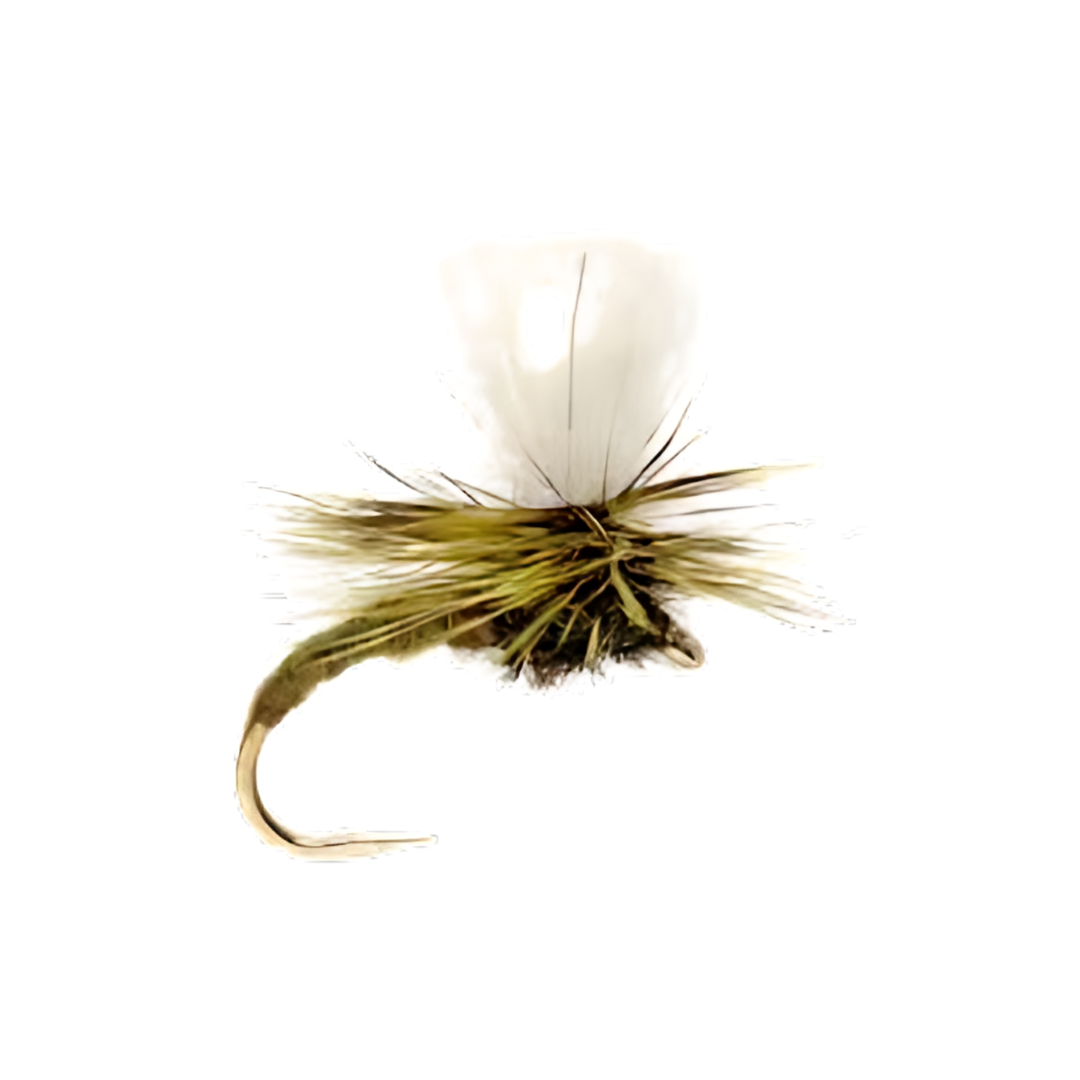
- LaFontaine Sparkle Pupa:- This pattern is specifically designed to imitate emerging caddisflies. Its unique shape and materials mimic the pupa stage of the insect, making it a deadly choice during caddis hatches.

How to Fish Emerger Fly Patterns
You'll get the best results with emerger patterns 30-60 minutes before a major hatch. These flies work great whenever fish flash just below the surface or show only their backs and tails while feeding. Emerger patterns outperform standard dry flies consistently for Baetis, Pale Morning Dun, and March Brown mayflies.
Dead-drift presentations catch the most fish, though subtle twitches can trigger strikes during caddis hatches. Using fluorocarbon tippet can boost success rates by helping the fly sink slightly in the surface film.
6. Terrestrial Fly Patterns
Terrestrial flies come in a wide variety of shapes and sizes, making them a versatile choice for anglers from early spring through the fall months. These dry fly patterns mimic land-based insects that often find their way into the water, providing a reliable food source for fish.
The best places for terrestrial fly fishing include areas where riffles deepen into dark slots—especially near a deep bank, though not exclusively—or in concave depressions along the streambed. Their versatility and effectiveness make them a must-have in any angler's fly box.
Best Terrestrial fly patterns
Several proven patterns consistently deliver great results:
- Letort Hopper:- Perfect for creating surface commotion

- Foam Beetles:- Excellent visibility and flotation

Foam Manuka Beetle - A Popular Choice for Trout Fishing in New Zealand, Australia, and the United Kingdom
- Fur Ants:- Accessible in black, cinnamon, and red variations

- Deer Hair Inchworm:- Works well to imitate tree-dwelling larvae

Terrestrial Fishing Seasons
Windy summer afternoons create prime opportunities for terrestrial fishing. Weather patterns have changed, and these flies now work from early spring through late fall. Trout often cruise near shaded stream banks seeking cooler water, making these areas ideal fishing spots.
These patterns work best near undercut banks and along meadow sections when conditions are right. Rainfall makes these patterns deadly as ants and beetles wash into the water. The heaviest possible tippet helps manage larger terrestrial patterns effectively in these situations.
Shop online for Terrestrial Fly Patterns, including Elk Hair Caddis, at wholesale prices per dozen at AquinaFlies.com. Perfect for trout fishing, these high-quality flies are essential for your next angling adventure!
7. Midges
Midges might be small, but they pack a punch. These tiny insects make up over 50% of a trout's diet in many watersheds. Their hardiness lets them thrive year-round and they become the main food source during winter months when they make up nearly 100% of available forage.
Midge Fly Basics
Midges belong to the Chironomidae family, with over 1,000 different species. These remarkable insects complete their lifecycle in just 2-3 weeks during summer and 2-7 weeks in fall and winter. We found them mostly in sizes #18 to #26, and they call for precise imitation to fool selective trout.
Essential Midge Patterns
These proven patterns consistently deliver results:
- Zebra Midge:- Available in red, black, olive, and cream variations
- Mercury Black Beauty:- Effective for deep-water presentations

- CDC Transitional Midge:- Perfect for surface film feeding

- Smokejumper:- Excels during adult midge stages

Midge Fishing Techniques
Midge fishing works best with specific approaches. A 7.5 ft 4x tapered leader serves well for nymphing. Presentation depth is a vital factor - you should adjust your weight and indicator to match water conditions. Downsizing your strike indicator helps with heavily pressured fish in spring and winter.
Longer leaders boost success rates for surface presentations. A larger dry fly makes an excellent indicator and allows your midge pattern to drift naturally in slower pools and runs. Fish often key in on pre-hatch and post-hatch periods, making these stages the prime time to fish midges.
8. Stoneflies
The stonefly family includes around 2,000 different species. They range from tiny nemouras of a few centimeters to giant salmonflies that stretch over 2½ inches. We focused on five species that dominate western waters: salmonflies, golden stones, skwalla, yellow sally, and nemoura. These insects emerge in a predictable sequence. The cycle starts with nemouras in late winter and continues through yellow sallies in early fall.
Top Stonefly Patterns
The best stonefly imitations include:
- Stimulators:- Perfect for adult stonefly imitations

- Pat's Rubber Legs:- Excellent for deep-water presentations

- Chernobyl Ant:- Ideal for surface presentations
- Montana Stonefly Nymph:- Effective for upstream presentations

Stonefly Fishing Strategies
Successful stonefly fishing just needs specific approaches. Cast directly upstream or quartering upstream to fish nymphs and allow a drag-free drift. Line mending is a vital part to keep your presentation natural. Weighted patterns work best near the bottom, but all the same, you can find nymphs throughout the water column.
Dry fly presentations work best near overhanging trees and dense brush where adult insects gather. Unlike other techniques, stonefly patterns produce better results when you twitch and move them on the surface to imitate struggling adults.
9. Caddis Flies


10. Mayflies


11. Egg Patterns



12. Scuds and Sowbugs
13. Bass Bugs
Comparison Table for Top 9 main types of fly fishing flies
Conclusion
Understanding the various types of fly fishing flies is crucial for every angler aiming for consistent success. Whether you're targeting trout with dry flies during peak hatches, nymphing to mimic underwater insect larvae, or using streamers and terrestrials to entice aggressive strikes, knowing when and how to use each pattern is key. From the classic wet fly to the versatile emerger, each fly type offers unique advantages for different fishing conditions and species. Equip your fly box with a mix of these essential fly types, and you'll be ready to tackle any fishing challenge.
Faqs About Types of Fly Fishing Flies.
What are the essential fly patterns every angler should have?
Every fly fisher should have a variety of patterns, including the versatile Elk Hair Caddis in sizes 12-18. It's excellent as an indicator fly for nymph fishing and can imitate stoneflies or terrestrials in larger sizes. Other must-haves include Zebra Midges, Pheasant Tails, and Wooly Buggers for a well-rounded selection.
How many main Types of Fly Fishing Flies are used in fly fishing?
There are four main categories of flies in fly fishing: nymphs (wet flies), emergers, streamers, and dry flies. Each type imitates different stages of insect life and is used for specific fishing situations and techniques.
Is there a way to identify fly patterns using technology?
Yes, there are now fly fishing flies apps available that use AI technology to identify fly patterns. For example, IdentaFly allows anglers to take a photo of a fly and receive instant, accurate information about its identity and characteristics.
How can beginners get started with fly fishing without spending too much?
While fly fishing can be expensive, beginners can start affordably by visiting local fly shops for advice on essential gear and flies. Many shops offer valuable knowledge without pressure to buy. Additionally, focusing on fundamental techniques and a few versatile fly patterns can be more effective than investing in expensive equipment right away.
What are some reliable fly patterns for various fishing conditions?
Some universally effective fly patterns include Wooly Buggers, San Juan Worms, Prince Nymphs, Zebra Midges, and Scuds. These flies work well in different water conditions and can imitate various food sources, making them reliable choices for anglers in many locations.