
21 Best Bass Fishing Flies
Bass fly fishing is changing the angling world, especially when you have heart-pounding topwater action that makes it different from trout fishing. More anglers now find the best bass fishing flies and experience a whole new side of their favorite sport.
Bass bite all year round, but early spring and late fall are the peak seasons. The spawn from mid-February through mid-March gives you amazing chances to catch them. The tough winter and mid-summer periods can still bring great catches if you use the right flies.
The legendary Clouser Minnow, high-contrast yellow-black poppers and versatile crayfish patterns are just some of the 21 best bass fly fishing flies we've tested that work consistently. This detailed guide will help you pick the perfect fly for every season, whether you fish the shallows during spawn or go after deeper waters in summer.
1. Wooly Bugger

The Wooly Bugger serves as the life-blood of bass fishing. Its unmatched versatility makes it effective in any fishing condition. This pattern works in water bodies of all sizes, from small brooks to big oceans. Every angler's fly box needs this essential addition.
Wooly Bugger Variations
The simple design lets you modify the pattern to match specific fishing needs. Black, brown, and olive blends make perfect imitations of leeches, crayfish, and dragonfly nymphs. On top of that, white or gold variations with Antron bodies and soft hackles look just like baitfish. You can improve performance by adding Krystal Flash to the marabou tail, which creates an attractive flash that triggers strikes.
Best Fishing Conditions
The Wooly Bugger shines in a variety of water conditions. Smaller, subdued patterns work best in clear waters. Larger, brighter variations get better results in stained waters. This fly catches fish in every season, though size selection is vital - smaller flies tend to work better in cold water.
Retrieval Techniques
The Wooly Bugger's forgiving nature makes it perfect for different retrieval methods. Bass respond best to these techniques:
- Strip retrieve with short, sharp tugs to imitate darting prey
- Slow, steady pulls for mimicking grazing behavior
- Dead-drift presentation with occasional twitches
- Swinging across current with subtle movements
Where to Buy Best Bass Fishing Flies
AquinaFlies offers high-quality Kenya fishing flies at wholesale prices per dozen. Prominent manufacturers like Umpqua, Rainys, Fulling Mill, and Montana Fly Company also produce premium, top-tier selections.
- Thin Mint Wooly Bugger
- Black Original
- White/Grizzly Killer
- Olive Original
- Beadhead variations
Your Wooly Bugger selection should focus on proper sizing and sparse dressing. Over-dressed flies reduce action and sink rate. Keep a diverse selection of fly sizes from #16 to #2 extra long to handle any fishing scenario.
2. Clouser Minnow

The Clouser Minnow, Bob Clouser's brilliant creation from the late '80s, has become the life-blood pattern that bass fishing enthusiasts swear by. What started as a fly designed for smallmouth bass in the Susquehanna River now helps anglers catch 24 different species of freshwater and saltwater fish. The Clouser Minnow is one of the most effective flies for striped bass fishing, featuring a weighted dumbbell design that perfectly mimics baitfish.
Clouser Minnow Design Features
This pattern shines through its minimal construction and smart placement of dumbbell eyes. Positioned one-third back from the hook eye, these eyes make the fly ride point-up and reduce snags by a lot. The design has two colors of bucktail, standard-length wet-fly hook, Krystal Hair flash, and lead eyes. The fly works best when tied sparsely, which makes it look exactly like a minnow in water.
Spring Fishing Tips
Cold spring waters demand slower retrieves. Let the fly sink for a few seconds after casting before you start retrieving. The famous "Susquehanna Strip" technique works like this:
- Drop rod tip 6 inches from water
- Make long strips of 3-4 feet
- Accelerate strip with quick thumb turn
- End with speed-up-and-stop motion
Color Selection Guide
Bob Clouser's largest longitudinal study showed four main color combinations that catch fish consistently:
- Silver Shiner: First choice for overall effectiveness
- Golden Shiner: Excellent for imitating tan-backed baitfish
- Sculpin Pattern: Features dark brown back and orange belly
- Chartreuse: Proven deadly for various species
Bright colors work great on sunny spring days, while darker patterns catch more fish under cloudy conditions. Many anglers get amazing results with tan-and-brown over white combinations, and adding root-beer chenille improves water displacement.
This pattern's realistic swimming action and amazing versatility in different water conditions make it a winner. The Clouser Deep Minnow has revolutionized fly fishing worldwide. Lefty Kreh's records show he caught 63 different species with this pattern in just three years.
3. Murdich Minnow

The Murdich Minnow started as a striped bass fly but has become one of the most effective bass fishing flies you can use, especially in early season conditions. This single-shank streamer pattern creates exceptional action and gives anglers consistent results.
Murdich Minnow Characteristics
This pattern's magic comes from its neutral buoyancy that lets it hang just below the surface. The lightweight design keeps the fly from sinking faster and holds it right where you want it in the water column. A bulky head creates a vortex that makes the flashabou in the tail wiggle in an enticing way.
White works best as the base color, and you can easily change the pattern with sharpie markers to match your local baitfish. The pattern has:
- Saddle feather tails to boost the profile
- Estaz chenille body in size Grande
- Optional stick-on eyes
- Single-shank hook design
Fishing Techniques
You just need a different approach with the Murdich compared to traditional trout fishing methods. The core technique has:
- Short, powerful strips (1-3 inches)
- Extended pauses (3-10 seconds)
- Side-gliding action with 45-degree kicks
Bass usually strike right during these pause moments when the fly hangs motionless in the water. A loop knot works best to get optimal movement. Keep your eyes on the fly since bass often inhale rather than strike aggressively.
Best Water Conditions
The Murdich Minnow really shines in clear water where its realistic profile catches more fish. Your early season success depends on:
- Use floating or slow intermediate lines
- An 8-9' leader in extreme low flows
- 6-8' leader with intermediate lines
- Split leader formula: half 20-25 lb and half 12-15 lb
This pattern works exceptionally well in "nervous water" - spots where baitfish create surface disturbance or show signs of predator activity. Small rattles on the rear hook shank can boost the fly's effectiveness in higher or off-color water conditions, especially early in the season.
4. Deer Hair Popper
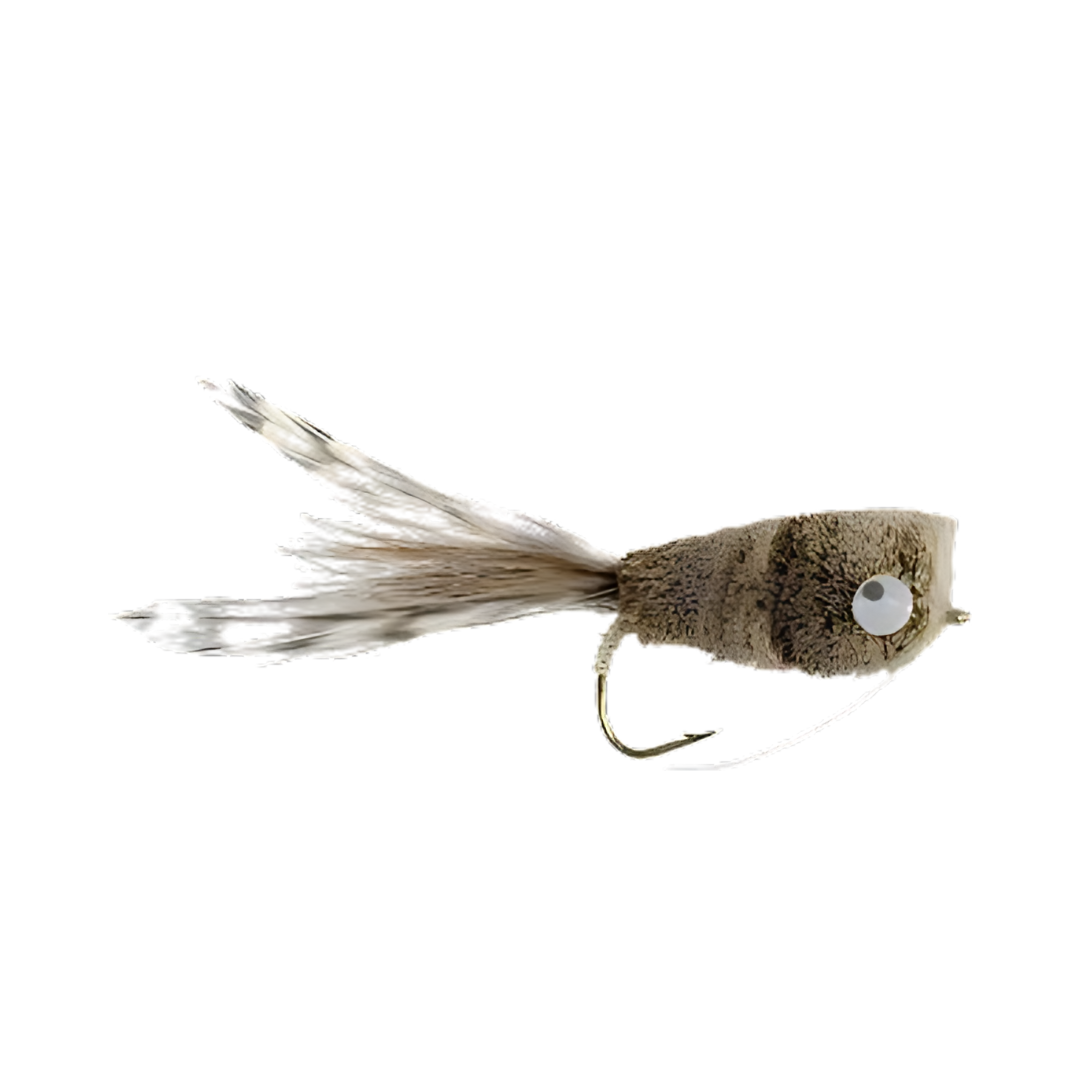
Fly fishing bass delivers one of its most exciting moments when a fish attacks a surface fly. The Deer Hair Popper remains a classic pattern that creates this heart-pounding action all summer long.
Popper Design Elements
These poppers use carefully picked deer hair patches that are long, straight, and thick. The hair's superior flaring qualities create tighter bug construction. The design includes:
- Stainless steel saltwater hooks that last longer
- Mason Hard monofilament weedguards (20-pound test)
- Feathered tail that attracts strikes
- Steam-treated bodies with custom shapes
The black-red profile works great in low light conditions when combined with bright legs and red accents. The bug needs proper steaming to open up hair fibers and make them more resistant to blade shaping.
Summer Bass Fly Fishing Strategy
Topwater fishing gets better as bass finish spawning. The Deer Hair Popper shines in these summer situations:
- Mayfly hatches where bluegills gather
- Dark spots under docks and overhangs
- Steep channel swing banks with cover above
Your summer fishing will work best if you cast near shallow structures and weedbeds. Let the water calm down after your cast, then make sharp strips to disturb the surface. These poppers trigger fierce strikes when water temperatures go above 70 degrees.
Top Brands & Pricing for Bass Deer Hair Popper Fishing Flies
For anglers looking for best bass fishing flies for sale, top manufacturers offer premium deer hair poppers in various colors and sizes to maximize fishing success.
- Umpqua offers high-quality bass fishing flies, priced between $12.50 and $27.30.
- AquinaFlies provides affordable wholesale bass flies, starting at $12 per dozen.
Popular designs like Frog and Porkey’s Pet are available in sizes 02, 06, and 10.
Deer Hair Poppers work so well because they look like many prey types, especially bluegill and other shallow baitfish. They float well and cast accurately, which makes them perfect for summer bass fly fishing. Smaller 2-3 inch patterns get better results in clear water. Simple color choices like white or black match local baitfish best.
5. Dahlberg Diver
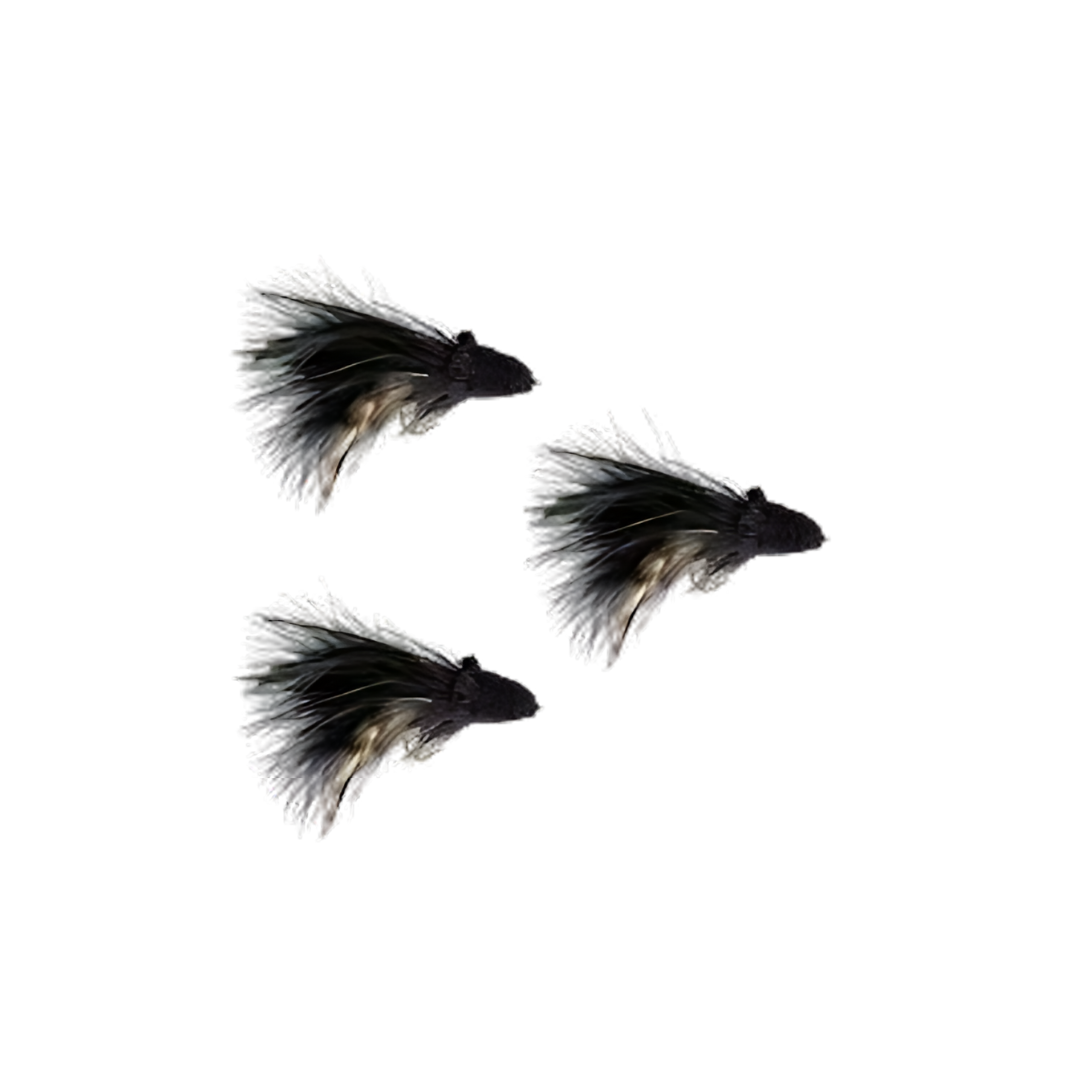
Larry Dahlberg created the Dahlberg Diver in the 1970s. This premier hot-weather bass pattern earned its fame through its unique diving action that makes predators strike. The pattern's remarkable feature lets it float and dive, which makes it highly effective during challenging summer conditions.
Diver Construction
A specially designed hollow-hair head and collar make this pattern work so well. The bullet-shaped clipped-hair head floats and creates water pressure that pushes the fly under the surface as you retrieve it. These key components make it work:
- Unweighted design that casts smoothly
- Soft materials like marabou and rubber hackle
- Buoyant deer or elk hair construction
- Optional weed guards to fish near structure
Fishing Methods
The best results come from casting the Diver past shoreline cover during hot weather. You'll need a straight-line connection from fly to leader. Here's the most productive technique:
- Let the fly settle after landing
- Make short twitches with line pulls
- Start steady strips to create diving action
- Change your strip length and cadence
This pattern works exceptionally well near edges in open water. Sharp strips make the fly dart around while rising and falling. Casting up and across-stream with dead-drift downstream brings great results in flowing waters.
When to Use
The Dahlberg Diver really shines as temperatures rise, especially in these situations:
- Night fishing after bright, sunny days
- Early morning and evening hours
- Shaded spots under overhanging trees
- Spots with fast-moving currents
Floating fly lines work best with the Diver since sinking-tip lines reduce its best features. Longer, flexible tippets create steeper dives and more dynamic swimming action. Chartreuse colors work great under sunlight, while Black/Purple patterns excel after dark.
6. Gartside Gurgler
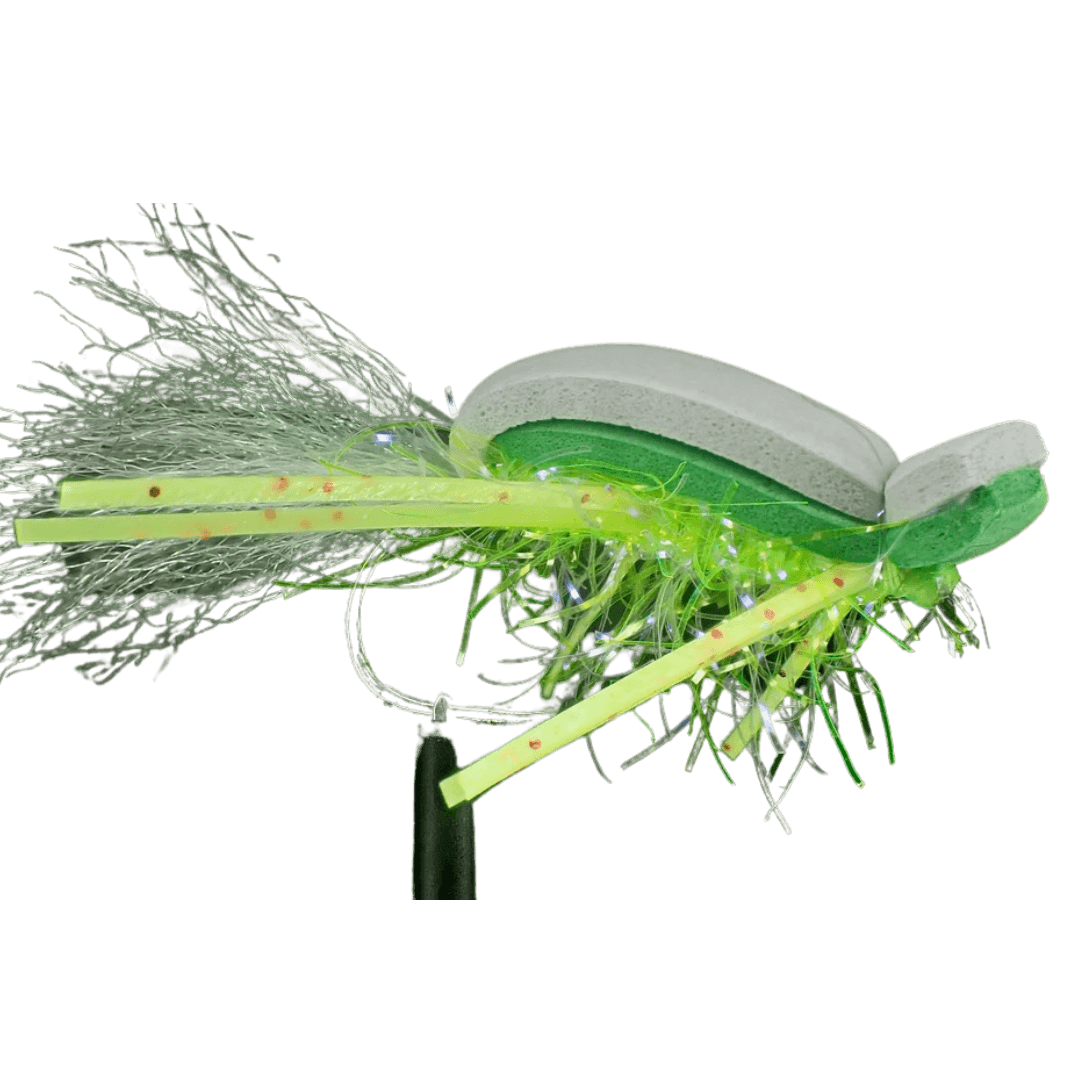
Jack Gartside's innovative Gurgler remains one of the best bass fly fishing flies, celebrated for its foam-enhanced design that creates irresistible surface action—making it a top choice for topwater bass fishing. Originally inspired by simple foam beetle patterns, the Gurgler has evolved into a must-have surface attractor for targeting big bass.
Gurgler Features
The foam body and extended lip make a unique popping and gurgling action on the water's surface. The key design elements are:
- Narrow closed-cell foam strip (1/2 to 5/8-inch wide)
- Hook shank-length foam strip
- Optional doubled-back strip to get maximum popping sound
- Weedless additions work great for fishing flats or mangrove shorelines
This pattern shines because it can mimic different prey, from baitfish and shrimp to frogs and grasshoppers. Many anglers use two layers of foam to show one color to fish and another to themselves.
Surface Fishing Tips
You just need specific retrieval techniques to make the Gurgler work best. The main methods are:
- Short, sharp strips that create signature gurgling sounds
- Different strip speeds and lengths to match what fish want
- Smart pauses let the fly sit still
The pattern works best in smooth water where you can really notice its gurgling action. Bass and seatrout love a pop-and-stop retrieve. They usually strike when the fly isn't moving.
Best Times to Fish
The Gurgler really shines in warmer months when fish feed near the surface. The best fishing conditions include:
- Early morning and late evening hours
- Cloudy days with light chop
- Times when water isn't clear
- Moments of active surface feeding
Casting across and upstream works best in estuaries. You can mix dead-drifting with occasional movement as you work the fly back. To catch more fish, switch between slow and fast retrieves. Try figure-eight movements with your line to trigger strikes sometimes.
7. Swimming Baitfish Diver
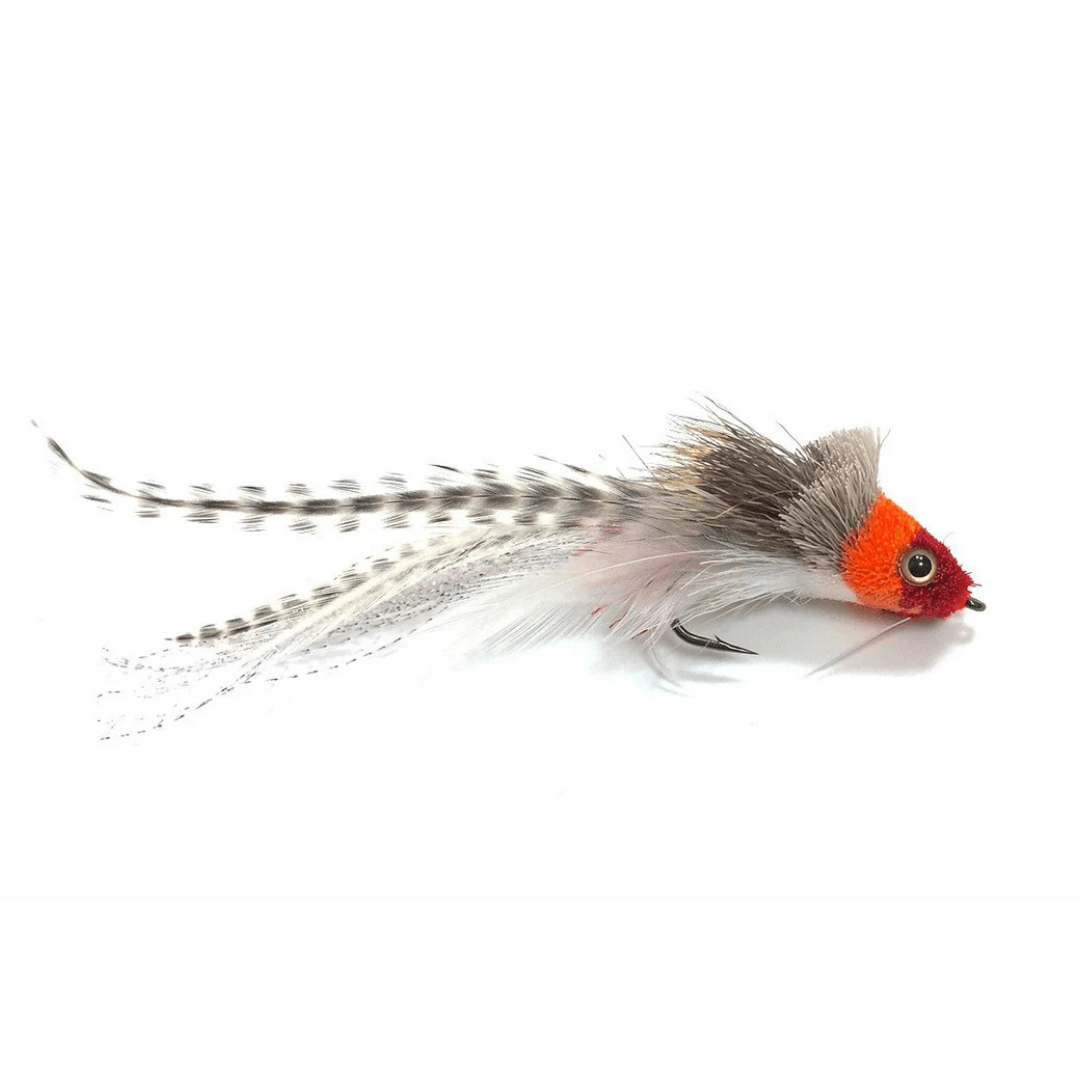
The Swimming Baitfish Diver stands out as a powerful pattern that bass can't resist in deeper summer waters. This straightforward design mimics wounded fish with remarkable accuracy, making predatory species strike hard.
Design Elements
A stacked, trimmed deer-hair head construction gives this pattern its distinctive diving action. Key features make this pattern work:
- Built-in weed-guard keeps debris away
- Floats naturally with controlled sink rate
- Works both on surface and below
- Materials placed strategically create lifelike movement
This fly heads beneath the surface when retrieved and creates air bubbles that predators notice instantly. The pattern floats back up when you pause, looking just like an injured baitfish.
Deep Water Tactics
Summer deep water fishing demands specific techniques that help you get the most from this pattern
- Pick floating or intermediate sinking lines
- Keep leaders short (4 feet) with 20-pound test
- Make jerky strips across the surface
- Your boat should sit directly above or slightly ahead in current
Bass fishing in waters deeper than 25 feet needs precise boat positioning. This pattern really shines near deep structures where bass gather around baitfish schools.
Recommended Sizes
Matching your pattern size to local baitfish is vital:
- 3-inch patterns work best for regular fishing
- Big fish need bigger 4-6 inch patterns
- Clear water calls for smaller profiles
- Murky or stained water needs larger sizes
The Swimming Baitfish Diver adapts beautifully to water conditions of all types. This pattern's success goes beyond bass - pike, muskie and many other toothy predators can't resist it. Your summer bass fly fishing improves when you focus on spots where baitfish look for cooler water, especially creek channels near deeper structures.
8. Morrish Mouse

The Morrish Mouse pattern ranks among the best topwater flies you can use for night fishing. It creates a gurgle that fish just can't resist. This pattern works great at mimicking small rodents swimming through water, and both large trout and bass love it.
Mouse Pattern Details
Three elements make this pattern work: movement, gurgle, and hook gap. You'll find these features:
- Buoyant construction that rides the surface
- Natural swimming motion
- Wide gap hook choices
- Coarse elk hair back strip
Fish can't resist the way this fly rides low and sputters through riffles. The V-wake it leaves behind often triggers a predator's instinct to strike.
Night Fishing Strategy
This pattern works best with the right technique. Cast across-stream and point your rod tip downstream so the current can work the fly across. Cast straight across at 90 degrees in slow water, but angle your casts downstream at 45 degrees when the water moves faster.
Here's what you should do:
- Let the fish take the whole fly
- Don't set the hook right away
- Sweep your rod to the side after the fish takes it
- Skip the visual hook set you'd use with dry flies
Best Conditions
Night fishing produces amazing results because big predatory fish come alive after dark. The pattern shines:
- During dusk and early evening
- In shallow bubbling riffles between major pools
- Near pool tailouts where fish gather
- When water temperatures run above normal
This pattern's success goes beyond trout waters - it works great in Labrador, Pennsylvania spring creeks, and Rocky Mountain streams. Most anglers get their best results with 6-8 foot leaders and 0X tippet, which holds up against bigger fish. Your chances improve when you fish spots where mice naturally enter the water or get swept in by the current.
9. BlockHead Popper

The BlockHead Popper, a wedge-shaped lure with a flat face, has become a 20-year old premier choice for early morning bass fishing. Its innovative design gets more water movement and thus encourages more explosive strikes from lurking predators.
Design Features
The BlockHead's unique characteristics come from its premium soft foam build and 10-degree front angle that creates perfect water displacement. The core features include:
- Gray squirrel tail that stays stiff when wet
- Dual sets of rubber legs for balanced flotation
- Sparkle hackle collar to boost appeal
- Flexible gloss overcoat protecting eyes and spots
The thumbnail-sized body shows an ideal surface profile with a center-line hole placed perfectly for optimal balance and tracking. This smart design will give a straight movement through water that attracts bigger fish through consistent water displacement.
Morning Tactics
BlockHead Poppers just need specific approaches in the cold gray light of dawn. The best results come from:
- Cast toward shorelines and structure
- Let the water settle briefly
- Make short, sharp strips
- Take long pauses between movements
These lures work exceptionally well around boat docks and rip rap during humid summer mornings. Waters with high pressure or evening conditions without surface chop need these poppers' subtle presentation to trigger strikes.
Color Selection
The colors that catch the most fish include:
- Four Yellow
- Four Chartreuse
- Two White
- Two Black
Dark-colored patterns work better on cloudy mornings. Bright patterns shine under sunny conditions. Frog-colored variations work whatever the weather in waters with lots of lily pads and frogs. On top of that, metallic pearl and metallic green combinations have shown a soaring win with bass throughout the season.
The BlockHead's versatility goes beyond freshwater - its design works just as well in saltwater scenarios. These poppers come in three sizes - Small (#6), Medium (#4), and Large (#2) - perfect for different fishing conditions and target species.
10. DB Crayfish
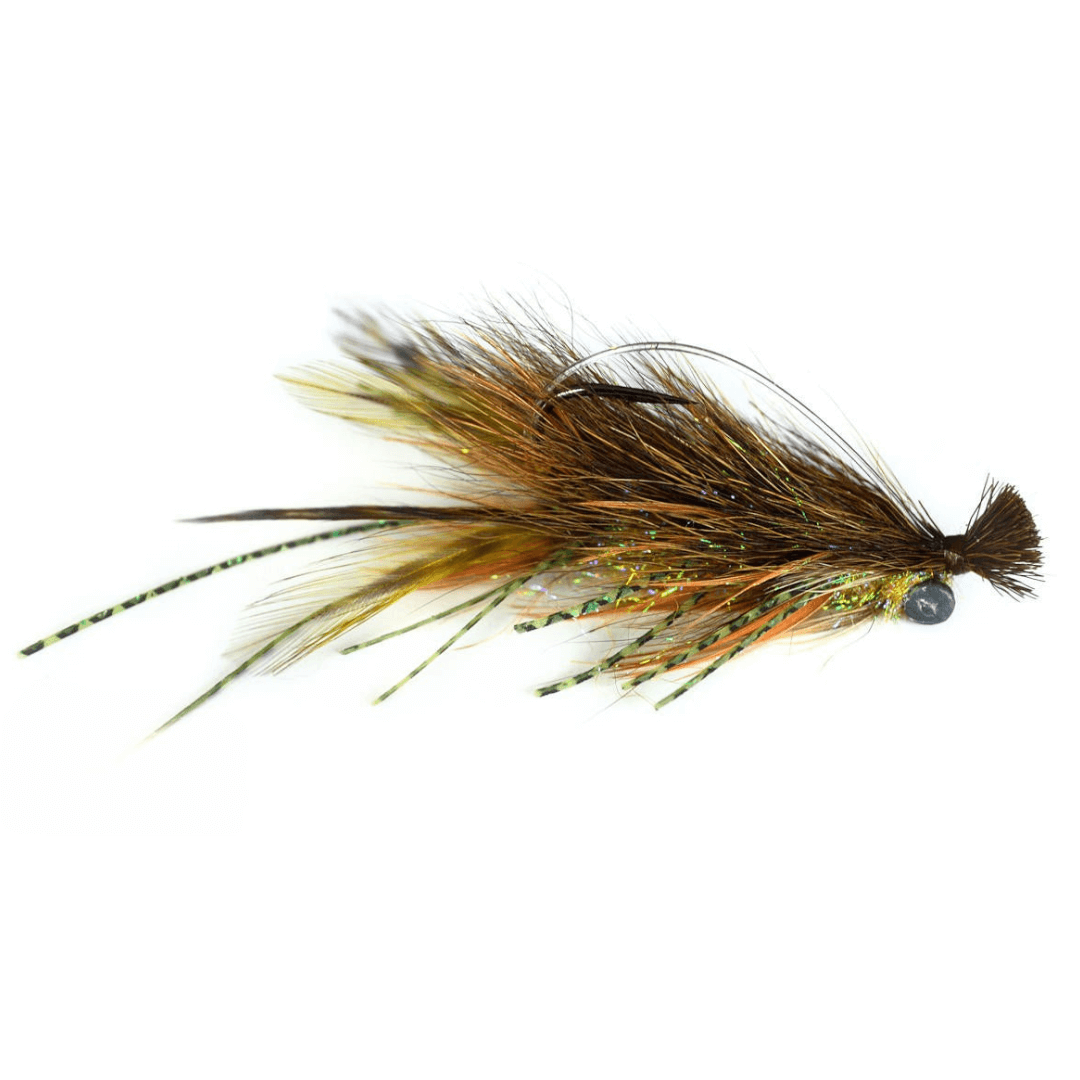
Bass anglers just need to add the DB Crayfish pattern to their arsenal during spring. Crayfish become more active when water temperatures hit around 50 degrees. These crustaceans leave their winter hiding spots and become prime targets for hungry bass.
Crayfish Pattern Details
The DB Crayfish stands out because it mimics natural crayfish behavior through its unique design. The pattern features weighted construction that maintains bottom contact and rubber legs that copy natural appendages. A dual-colored body matches seasonal changes while strategic flash materials improve visibility.
This fly works so well because it matches a crayfish's natural colors, which change based on habitat and molting cycles. Crayfish keep their original colors until molting in clean waters. Young specimens usually show greenish or brownish shades.
Bottom Fishing Tips
You'll catch more fish with the right DB Crayfish presentation techniques. Here's the quickest way to success:
- Cast toward cobblestone areas ranging from softball to basketball sizes
- Keep a slow, two-inch darting action along the stream bottom
- Strip your line with four-inch lunges every six seconds
- Look for water depths between 15 to 30 feet near rocky structures
This pattern works great with swing nymphing or euro nymphing techniques near ledges with cobblestones. Position yourself downstream and cast upstream in flowing waters for the most natural presentation.
Seasonal Usage
The DB Crayfish pattern catches most fish during spring's first major crayfish activity from February through May. This matches perfectly with:
- Water temperatures hitting 50 degrees
- Pre-spawn bass movements
- More crayfish molting activity
- Peak mating periods
Slab boulders provide the best crayfish habitat and improve your chances of success. This pattern stays productive through summer in deeper, cooler waters. Water temperatures stay slightly higher in wind-protected areas with dark bottoms, which creates perfect feeding conditions.
11. Meat Whistle
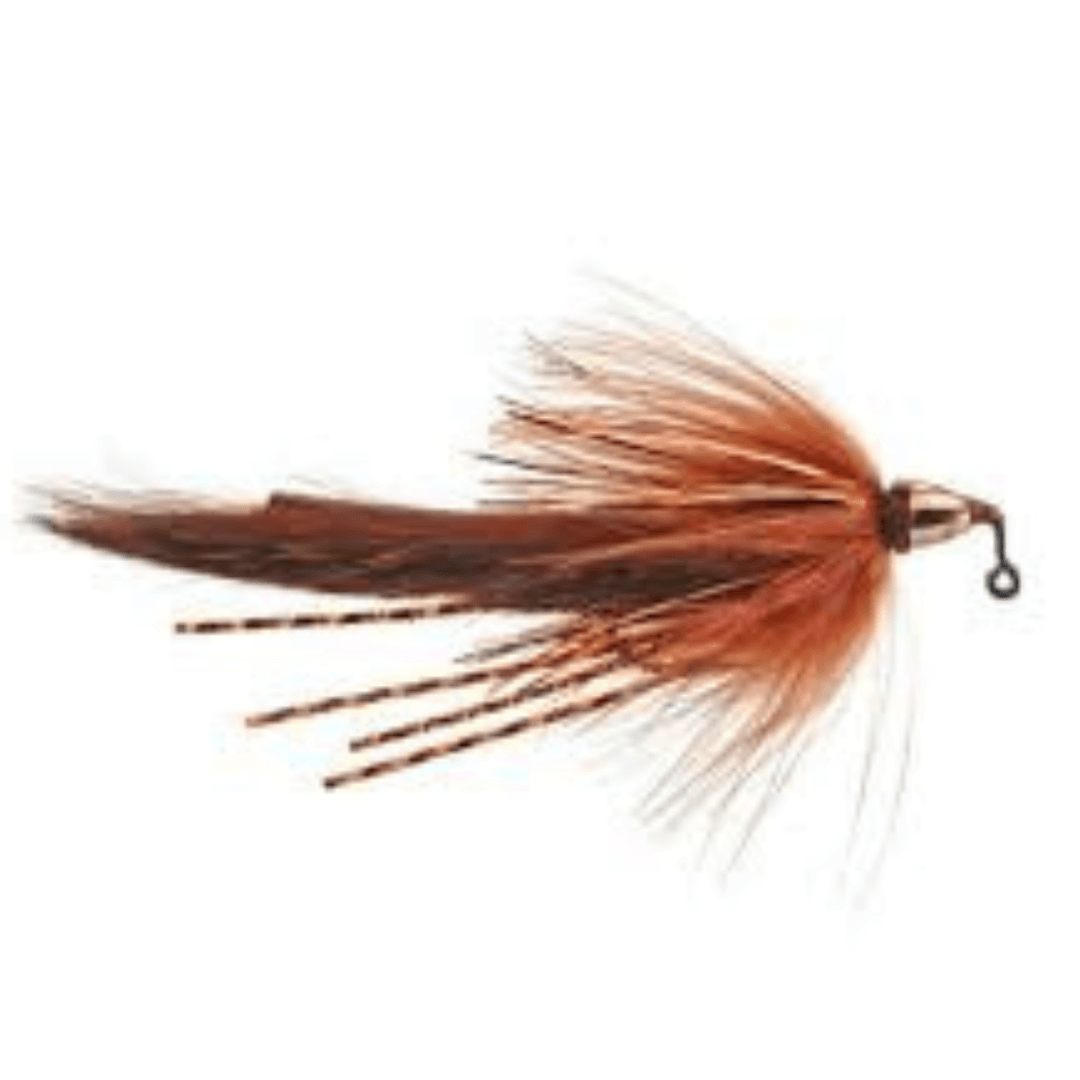
John Barr's Meat Whistle emerged in 2002 and stands out as a top-tier deep-water pattern for bass fishing. This versatile fly works perfectly as both a crayfish and baitfish imitation that belongs in every angler's box.
Pattern Characteristics
The Meat Whistle features a unique jig-style hook design that stays upright and reduces snags in deep water. You'll find these key features:
- Zonker strip that creates lifelike movement
- Rubber legs for natural appeal
- Marabou collar expanding after settling
- Cone head or tungsten beads to control depth
This pattern comes in three main color combinations: watermelon (olive), pumpkinseed (rust), and black and blue variations. The marabou collar is a vital design element that folds back during sinking but puffs out once settled, which creates an irresistible profile.
Deep Water Techniques
The Meat Whistle needs patience and precise presentation to work well. Here's what you should do:
- Cast tight against structure
- Let the fly sink completely
- Make slow, methodical hops
- Take long pauses between movements
This pattern works exceptionally well with conventional jigs in water depths from one to five feet. You'll want to use a sinking line to reach deeper pools effectively.
When to Use
The Meat Whistle shines in several situations:
- Low water during intense heat
- Deep runs and pools
- Bottom structure fishing
- Clear water conditions
Fish this pattern slowly to let natural materials create subtle movements that draw fish in. Trout anglers should think over using a smaller version while keeping a slim profile. The fly works great bounced along the bottom or retrieved faster with strategic twitches in deeper water.
12. Dragon Tail Streamer
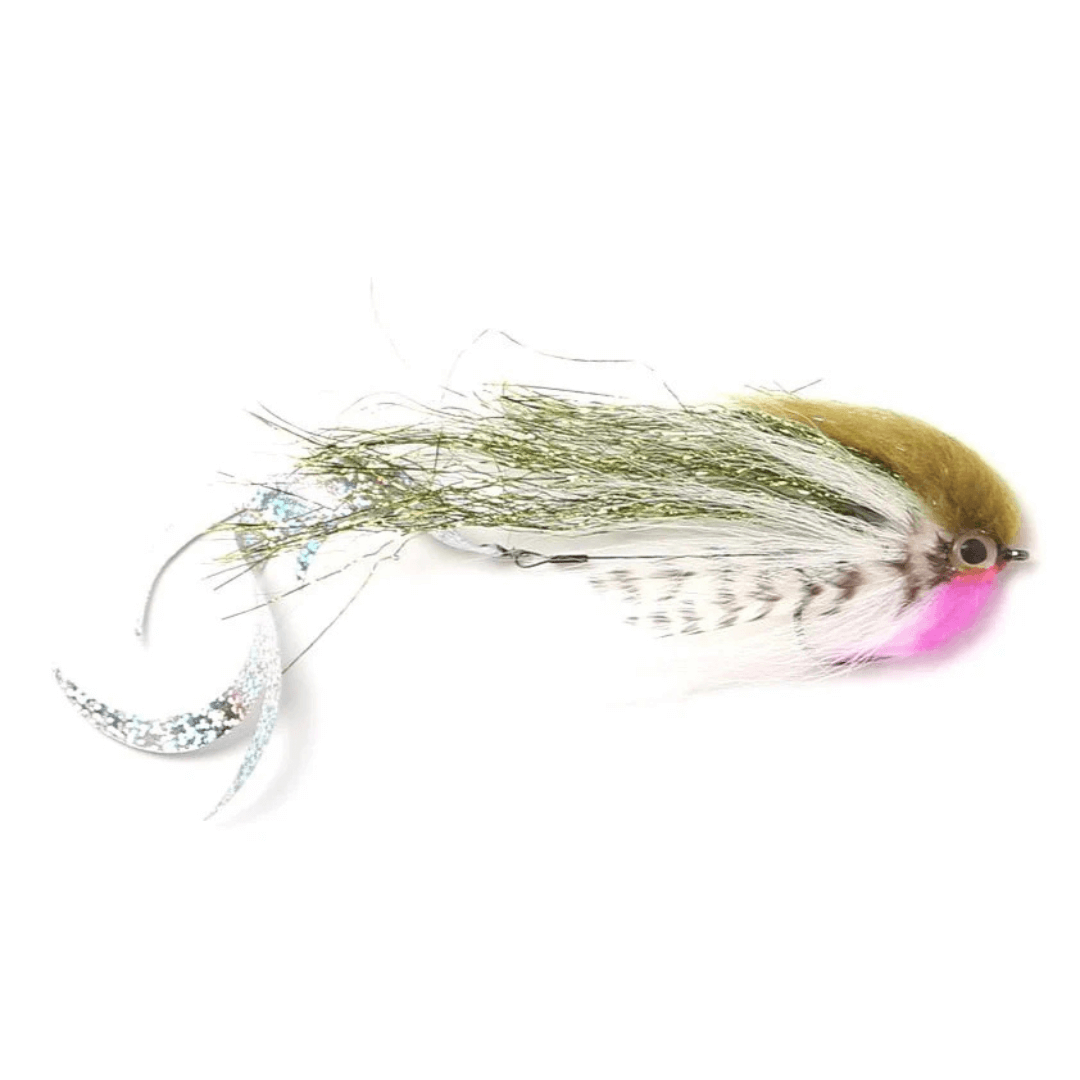
Mangum's Dragon Tail streamer revolutionizes bass fishing with its natural swimming motion that perfectly matches real prey movements. This poly-based synthetic pattern works wonders in weedbeds because of its versatility.
Streamer Features
The magic of this pattern comes from materials that create lifelike movement in water. Here's everything in the pattern:
- Micro Dragon Tail in fluorescent yellow
- UV Pearl Polar Chenille body
- Crusher legs in chartreuse
- Laser Dub head construction
A dab of super glue on the tail tip makes it last longer. The material keeps its color and stands up to repeated strikes. These 7-inch tails are perfect for bass and other predatory species.
Weed Bed Tactics
You just need these specific approaches to catch fish in thick vegetation:
- Target small holes in grass formations
- Execute short, powerful strips
- Let it fall naturally through openings
- Keep your eyes on the fly
The pattern works great along weed edges, where short pitches into holes and pockets get amazing results. Small rattles help the fly work better in deeper or murky water.
Best Conditions
The Dragon Tail shines in these situations:
- Dense weed/vegetation zones
- Areas with active baitfish schools
- Cloudy water conditions
- Structure-rich environments
You'll get the best results with floating or slow intermediate lines and 8-9' leaders in extreme low flows. The pattern really shows its worth in "nervous water" - spots where baitfish create surface disturbance or show signs of predator activity. This is a big deal as it means that in waters over 70 degrees, these streamers consistently trigger aggressive strikes with their snake-like action, opening new ways to catch giant backcountry specimens.
13. Silly Wiggler
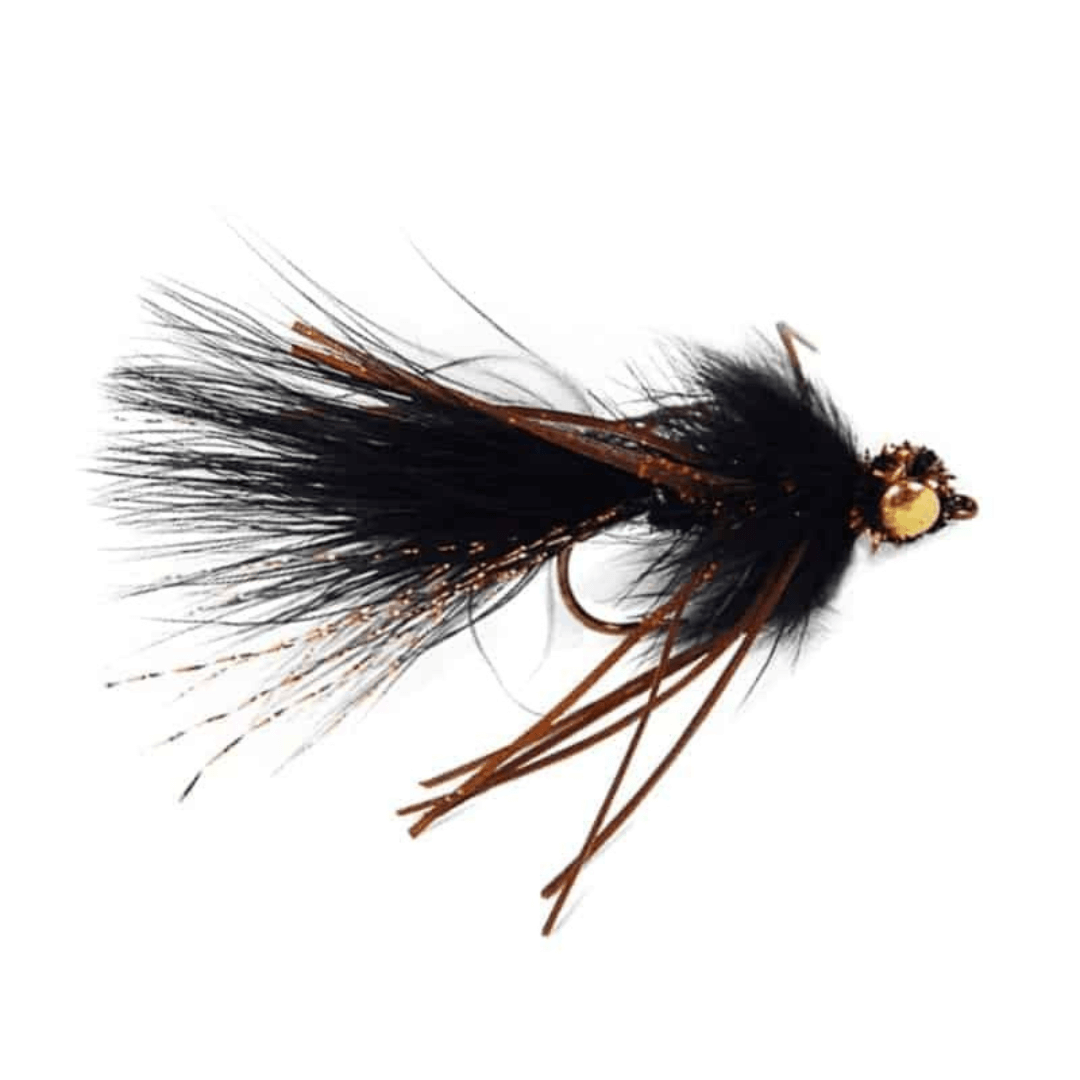
Bass anglers find the Silly Wiggler a top choice during fall's dropping temperatures and changing water levels. This heavy-headed streamer stands out with its unique design that creates an enticing presentation. You'll see consistent results with this pattern throughout autumn months.
Pattern Details
The Silly Wiggler's magic comes from its rubbery legs that create lively, jerky movements in the water. Here's what makes it work:
- A heavy head that controls how deep it sinks
- Multiple rubber legs that boost the action
- Strategic flash materials you can easily spot
- Tough synthetic materials that last
The heavy head lets you control exactly how deep your fly goes, and it stays right where fish are feeding. This design really shines when bass move away from banks and start to suspend.
Fall Fishing Methods
You'll catch more fish with the right Silly Wiggler technique. Here's the quickest way to fish it:
- Give it one strip to start moving
- Let it sink naturally
- Strip again to create that up-down motion
Fish near standalone docks or overhanging trees as waters cool in fall. The pattern works best along shade lines where bass gather as temperatures drop.
Water Conditions
The Silly Wiggler works in a variety of fall scenarios. Keep these tips in mind:
- Look for spots where fish leave shallow bays
- Hit those mid-depth flats next to steep breaks
- Work points where baitfish gather
- Stay in that sweet spot between 15-30 feet deep
Smaller, subtle patterns catch more fish in clear water. Bass typically head to deeper structures as shallow vegetation dies off. Watch for "nervous water" - you'll see more action in areas with predator activity or moving baitfish.
14. Mad Scientist Popper

Eric Snyder's Mad Scientist Popper proves to be a game-changer for late summer bass fishing. Its innovative design mimics multiple prey species at once. Bass anglers love this versatile pattern because it delivers consistent topwater action even in tough conditions.
Design Elements
The Mad Scientist Popper boasts a strong construction with four layers of durable foam that can take hard hits from bass and other predatory fish. You'll notice these distinctive features:
- Four layers of foam that last longer
- A versatile size #10 hook
- A silhouette that matches both frogs and damselflies
- Colors that fish can easily spot
This pattern works so well because it looks like different prey - from hurt baitfish to big bugs. You can use it in all types of water conditions.
Fishing Techniques
These retrieval methods work best in late summer:
- Make your cast near structure and let the water calm down
- Give short, strong strips to disturb the surface
- Take strategic breaks between moves
- Keep steady retrieves where you see active baitfish
This pattern really shines near docks and overhangs where bluegill gather to feast on mayflies. The popper mimics feeding baitfish and triggers bass to strike hard.
Best Times
The Mad Scientist Popper works best:
- During mayfly hatches when bluegill gather
- Right before sunset on humid summer nights
- Early mornings when there's little wind
- In water warmer than 70 degrees
Look for shaded spots under docks and overhangs where steep channel swing banks create perfect feeding zones. You'll catch more fish in areas with active predators or moving baitfish, especially where the water surface stays calm.
15. Clouser Crayfish

Bob Clouser's creative crayfish pattern is a top choice for bass that hang near the bottom. This adaptable pattern comes in tan and olive colors and works great at mimicking helpless crayfish as they tumble along rocky stream beds.
Pattern Features
The Clouser Crayfish has several unique elements that make it special. The design has:
- Palmered hackle that looks like walking legs
- Weights placed strategically for natural bottom movement
- A furry foam body that soaks up water
- Lifelike pincers and antennae
You can find this pattern in two main versions: a bigger Furry Foam style for bass and a smaller turkey quill version for trout. The turkey quill version turned out to be amazing for carp fishing - a happy accident discovered through experimentation.
Bottom Fishing Strategy
The Clouser Crayfish works best with the right presentation techniques. Here's what you should do:
- Stand 50 feet back from the bank
- Cast directly to shore, landing one foot from the edge
- Strip your line with your hand
- Make the crayfish jump 4 inches every six seconds
This pattern really shines when you let it drift naturally like a nymph. It mimics crayfish that get knocked loose by the current. On lakes, look for spots where deep water meets structure - fallen trees, gravel bars, and big boulders work great.
Where to Use
The Clouser Crayfish works amazingly well in several situations:
- Deep, slow pools with wet-fly swing presentation
- Rocky bottoms between 15-30 feet deep
- Streams with cobblestone beds
- Areas with hard, rocky structure
Fast-sinking lines that drop about 7 inches per second will help you catch more fish. You'll have better luck in places where crayfish naturally gather, especially around rocky structures that give these crustaceans shelter.
16. Near Nuff Crayfish

Dave Whitlock's Near Nuff Crayfish has become a favorite among anglers. Its snag-proof design perfectly mimics soft-shell crayfish behavior around structure. The pattern draws smallmouth, trout, sunfish, and carp, which makes it perfect for fishing around obstacles.
Design Characteristics
The Near Nuff Crayfish stands out with its simple yet practical design. You can get it in several colors:
- Dirty Olive to match natural forage
- Standard Brown for clear water conditions
- Crawfish Orange for stained water
- Bite Size 8 for selective fish
This pattern works because it looks, feels, and moves just like a soft-shell crayfish. Tests show this simple design catches more fish than complex crayfish imitations.
Structure Fishing Tips
The Near Nuff works best with specific techniques around structure. Here's how to get the most from it:
- Look for cobblestone stream bottoms from riffles into main pools
- Move downstream slowly while casting across-stream
- Pull the line 4 inches every 5 seconds
- Fish in water 2-4 feet deep
A 9-foot 2X Bright Butt Knotted Leader works well in moderate current. Fast water calls for a Scientific Anglers Sink Tip III Line with Murray's Sinking Fluorocarbon 6ft 2X Leader.
Best Scenarios
The Near Nuff Crayfish shines in several situations:
- Dawn and dusk when crayfish leave their dens
- Spots under large rocks and logs
- Near aquatic grassbed edges
- Stream bottom's tunnel-like dens
Match your fly's color to local crayfish using tan, olive, orange, or rust-colored materials. Summer brings the best results since smallmouth bass love to eat crayfish during these months.
17. Campbell's Popping Bugger

The Campbell's Glass Bugger has become a favorite in fly shops across the country. Anglers love it because it catches fish in a variety of conditions. This clever pattern blends old-school design with modern materials to create a fly that delivers results consistently.
Pattern Details
The magic of this fly comes from its careful construction on a size 6 hook with a unique mix of materials. You'll need these key components:
- Marabou and mallard flank tail
- Clear glass bead body with protruding rubber legs
- Red marabou collar
- White schlappen and mallard finishing
- Forward-positioned clear glass bead
Clear glass beads placed strategically through the body create an irresistible underwater light show that makes fish strike. This sparkle works wonders in different water types, from gin-clear streams to murky waters.
Multiple Techniques
The Campbell's Glass Bugger works best when you know the right retrieval methods for different conditions. Summer fishing in standing timber calls for slow strips with occasional pauses - the results will amaze you. This pattern really shines:
- Near weed mats when temperatures climb above 55 degrees
- Close to structure on humid summer nights
- In calm areas with dark bottoms
- Among conventional jigs in deeper pools
Seasonal Usage
This fly keeps producing from early spring through late fall. Once water hits 55 degrees in spring, you'll see steady action until temperatures reach 70 degrees. Your success rate will jump if you target:
- Sheltered spots with warmer water
- Shady areas during bright days
- Spots where baitfish are active
- Areas rich in structure at various depths
The Campbell's Glass Bugger beats traditional patterns when conditions get tough. Its light-reflecting properties and natural movement in water make it special. Yes, it is more than just a bass fly - it attracts multiple species in all types of water conditions.
18.Burgin Bugger

The Burgin Bugger, a modern take on the classic Bugger tie, has proven itself as a go-to pattern for bass fishing all year round. This cone-headed version offers better versatility with its lifelike design and natural movement in water.
Design Features
The pattern works so well because of its carefully chosen components that create a natural look in water. A realistic two-tone tail and flashy Krystal chenille body make it a perfect match for different prey species. Key features include:
- Rubber legs that move like the real thing
- UV-reflective materials to catch more attention
- Cone head to control how deep it sinks
- Tough synthetic materials that can take repeated hits
This pattern shines because it looks like many different prey types - from sculpin and minnows to leeches and crawdads.
Year-round Strategy
Making the most of the Burgin Bugger means adjusting to each season's conditions. Spring and fall fishing works best where deep water meets structure. We targeted fallen trees and large boulders during these seasons. Summer fishing produces great results when you:
- Let it drift like a nymph in medium currents
- Give it short, strong strips
- Swing it downstream with small twitches
- Bounce it along the bottom structure
Water Conditions
The Burgin Bugger works amazingly well in all types of water clarity. Clear waters call for olive and natural colors. Brighter versions stand out better in stained or murky water. This pattern really shows its worth in:
- Deep pools where you need precise depth control
- Areas full of structure that need snag-resistant flies
- Spots with active baitfish
- Places where different prey fish gather
The natural appearance matches so many water creatures, making it one of the most adaptable streamers you can use. Smart design choices and quality materials help the Burgin Bugger deliver results in every season. It's no wonder anglers consider it their reliable year-round go-to pattern.
19. Shimmering Minnow
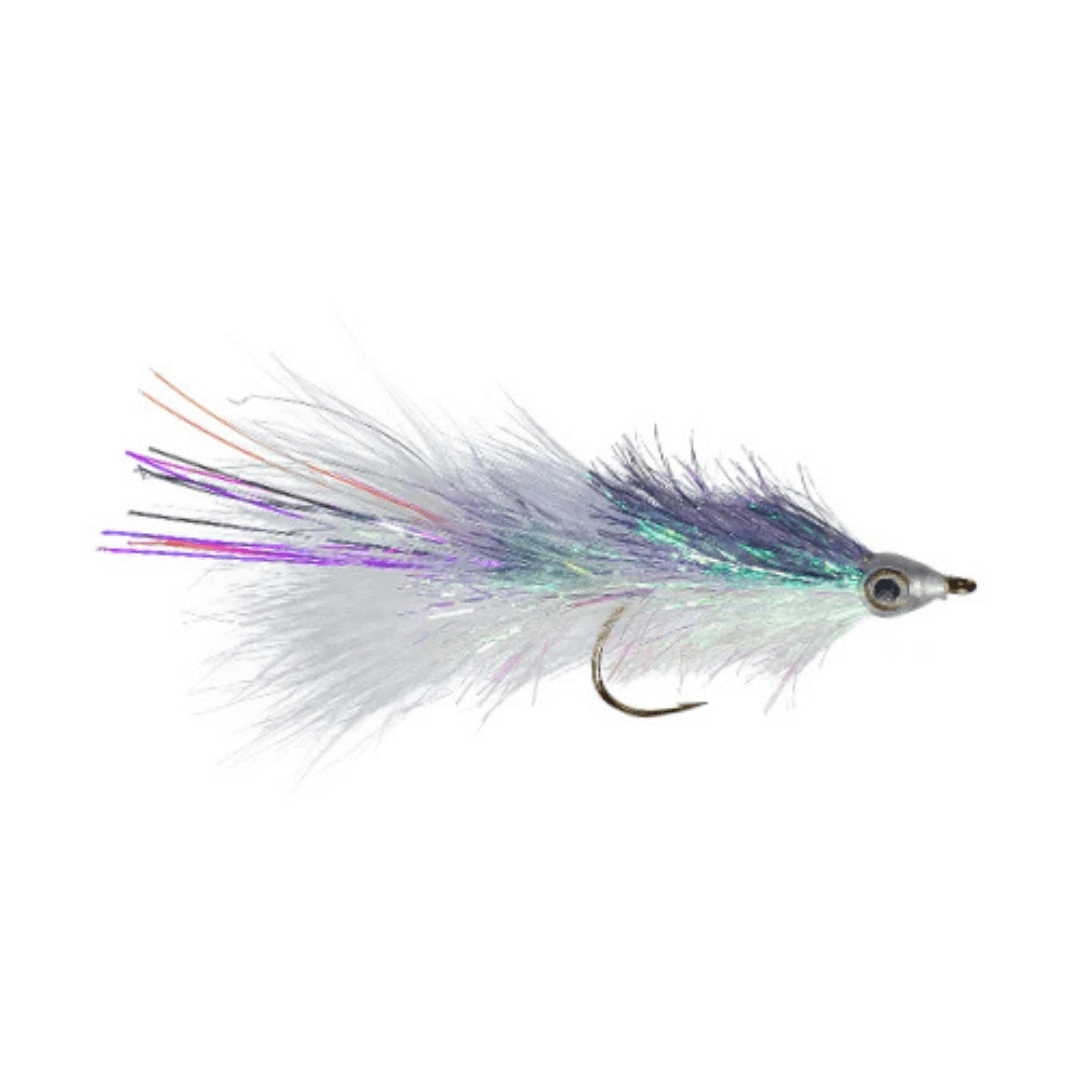
The Shimmering Minnow has proven itself a top choice for clear water bass fishing since 2012. This quick-to-tie pattern matches local baitfish and belongs in every angler's box. The Shimmering Minnow is one of the best flies for striped bass fishing, designed to mimic baitfish with its realistic movement and reflective body, making it highly effective in clear water.
Pattern Characteristics
The Shimmering Minnow's design combines versatility with precise baitfish imitation. Key features make it stand out:
- Colors you can customize with markers
- Articulated shank build
- Beads placed strategically to prevent fouling
- Multiple sizes through added shanks
This pattern has caught around 40 different species from smallmouth bass to Erie steelhead. Its success comes from looking just like juvenile shad, which smallmouth love to eat in river systems.
Clear Water Tactics
Crystal clear waters need specific approaches to catch fish. You'll get the best results when you:
- Cast far to hide your boat's shadow
- Use light braid that moves naturally
- Fish areas with 5-20 foot visibility
- Look for spots where deep water meets structure
The pattern works great in open, shallow flats. Smaller sizes and steady retrieves help you keep the bait swimming horizontally in clear conditions.
Best Times
The Shimmering Minnow catches fish best:
- On cloudy, windy days when fish feed actively
- Near windblown points early morning
- When water clarity drops
- As predators show feeding signs
Fish windblown main lake points and secondary pockets where baitfish gather to boost your success. Beyond bass, this versatile pattern catches stripers, speckled trout, redfish and snook consistently.
20. Lunchable Streamer

Bennett's Lunch Money streamer has become a go-to choice for bass anglers who want steady results in deep pools. This single-hook pattern started as a bottom fishing design but now works great in a variety of water conditions.
Streamer Features
The pattern works so well because its inverted hook design lets you fish closer to where fish hide. Here are the main parts:
- Gamakatsu B10s hook (#2 shown)
- Double Pupil Lead Eyes positioned one-third back
- Zonker Rabbit Strips in natural ginger
- Silicone legs in accent colors
- Senyo's Laser Dub head in tan and white
A sparse build is vital for the best performance since flies with too much material lose their action and sink slower.
Deep Pool Strategy
You'll need the right presentation techniques to succeed in deep pools. Here's what works best:
- Cast well above target zones, allowing 10-20 feet for sinking
- Let streamers reach bottom depths
- Make short strips with occasional pauses
- Keep a straight-line connection from fly to leader
The best way to fish moving water is to drop your fly into the current while feeding line. Let it drift naturally toward productive zones. Look for spots where deep water meets structure, especially fallen trees and big boulders.
When to Use
This pattern really shines:
- In high, dirty water conditions
- When visibility is poor
- As a search pattern for active fish
- When standard methods don't work
The pattern excels in waters 15-30 feet deep. These streamers stand out better in murky water after rain or during snowmelt because of their size and movement. Use fast-sinking lines that drop about 7 inches per second for the best results.
Popular colors include Olive/White, Chartreuse/White, and Brown/Yellow combinations. The Lunch Money's adaptable design and smart material choices make it reliable year-round. It has earned its reputation as a deep-water specialist.
21. Hard Chartreuse Popper

Chartreuse poppers have become vital bass fishing flies because they're remarkably visible in tough conditions. These high-contrast patterns work well in murky waters, stained conditions and low-light situations.
Design Elements
The Hard Chartreuse Popper uses premium soft foam that creates perfect "pops" when retrieved. Key features include:
- Gray squirrel tail that stays stiff in water
- Dual rubber leg sets that ensure balanced flotation
- Sparkle hackle collar that adds appeal
- Center-line hole placement that helps optimal tracking
These poppers come in multiple sizes to match different fishing scenarios:
- Size 1/0 targets larger specimens
- Size 2 works for standard applications
- Size 4 suits pressured waters
High Visibility Tactics
Chartreuse patterns shine in waters with poor clarity through specific presentation methods. You'll get the best results by casting toward shorelines near structure and letting the water settle briefly. Short strips create surface disturbance that bass can detect even in challenging visibility.
This pattern works exceptionally well near lily pads since many frogs have yellow bellies. Smallmouth bass love this natural presentation and show a strong preference for chartreuse patterns.
Light Conditions
The Hard Chartreuse Popper works best in these scenarios:
- Early morning periods
- Late evening hours
- Overcast conditions
- Waters with algae blooms
These patterns stay effective in deeper waters where light fades because of their high visibility. During warmer months when water temperatures rise and algae grows, chartreuse variations outperform traditional colors consistently.
Bass actively hunt near docks and overhangs where bluegill gather. These structure-rich zones offer ideal feeding opportunities. The pattern's success goes beyond standard uses - it works well in both stained and crystal-clear water where precise presentation matters.
Comparison Table of the Best Bass Fly Fishing Flies
| # | Fly Name | Best Season/Time | Main Use/Specialty | Key Design Features | Water Conditions | Target Depth |
|---|---|---|---|---|---|---|
| 1 | Wooly Bugger | Year-round | All-purpose versatility | Black/brown/olive blends, marabou tail, soft hackles | Both clear and stained waters | Variable |
| 2 | Clouser Minnow | Spring | Baitfish imitation | Dumbbell eyes, bucktail, rides point-up | Clear to moderate | Mid-water |
| 3 | Murdich Minnow | Early Season | Neutral buoyancy streamer | Bulky head, flashabou tail, single-shank hook | Clear water | Just below surface |
| 4 | Deer Hair Popper | Summer | Surface strikes | Deer hair body, weedguards, feathered tail | Above 70°F | Surface |
| 5 | Dahlberg Diver | Hot Weather | Diving action | Hollow-hair head, bullet-shaped design | Warm water | Surface to subsurface |
| 6 | Gartside Gurgler | Summer | Surface action | Foam body, extended lip | Smooth water | Surface |
| 7 | Swimming Baitfish Diver | Deep Summer | Deep water action | Stacked deer-hair head, weed-guard | 25+ feet depth | Deep |
| 8 | Morrish Mouse | Night | Night fishing | Buoyant construction, V-wake design | Shallow riffles | Surface |
| 9 | BlockHead Popper | Dawn | Early morning action | Flat face, 10-degree front angle | Calm morning waters | Surface |
| 10 | DB Crayfish | Spring | Bottom feeding | Weighted construction, rubber legs | 15-30 feet depth | Bottom |
| 11 | Meat Whistle | Deep Water | Deep pool fishing | Inverted hook design, lead eyes | High/dirty water | Deep pools |
| 12 | Dragon Tail Streamer | Weed Season | Weed bed fishing | Poly-based synthetic tail, UV Pearl body | Dense vegetation | Mid-water |
| 13 | Silly Wiggler | Fall | Suspended fish | Heavy head, rubber legs | Cooling waters | Mid-depth |
| 14 | Mad Scientist Popper | Late Summer | Surface action | Four-layer foam construction, #10 hook | Above 70°F | Surface |
| 15 | Clouser Crayfish | Rocky Bottom | Bottom structure | Palmered hackle, weighted design | Rocky/cobblestone bottom | Bottom |
| 16 | Near Nuff Crayfish | Structure Season | Structure fishing | Snag-proof design, multiple colors | 2-4 feet depth | Bottom |
| 17 | Campbell's Popping Bugger | Multi-season | Versatile action | Clear glass bead body, rubber legs | 55-70°F | Variable |
| 18 | Burgin Bugger | All-season | All-purpose | Cone head, UV-reflective materials | Variable clarity | Variable |
| 19 | Shimmering Minnow | Clear Water | Baitfish imitation | Articulated shank, customizable color | 5-20 foot visibility | Mid-water |
| 20 | Lunchable Streamer | Deep Water | Deep pool fishing | Double pupil lead eyes, zonker strips | High/dirty water | 15-30 feet |
| 21 | Hard Chartreuse Popper | Low Light | High visibility | Soft foam construction, dual rubber legs | Stained/murky water | Surface |
Conclusion
These 21 best bass fishing flies help anglers handle any fishing scenario year-round. Each pattern has its own purpose. The Wooly Bugger works reliably all year, while the Hard Chartreuse Popper stands out clearly in tough conditions.
Summer months are perfect for surface patterns like the Deer Hair Popper and Dahlberg Diver. The Meat Whistle and Lunchable Streamer are a great way to get results when bass stay in deeper pools. The Near Nuff Crayfish and Clouser Crayfish give you an edge while fishing near rocky bottoms and fallen timber.
Your success comes down to picking the right fly based on the season, water clarity, and target depth. A well-stocked selection of these tested patterns will give a solid foundation to fish in any situation. Smart mixing of poppers, streamers, and bottom-bouncing patterns lets you catch bass effectively throughout the year.
Faqs About best bass fishing flies
What is the most versatile fly for bass fishing?
The Wooly Bugger is widely considered the most versatile fly for bass fishing. It can be effective year-round in various water conditions and depths, imitating multiple prey types like leeches, crayfish, and baitfish.
How do I choose the right color for my bass flies?
Color selection depends on water clarity and light conditions. In clear water, use natural colors like olive or brown. For stained or murky water, opt for brighter colors like chartreuse or white. During low light conditions, high-contrast patterns are often most effective.
What's a good all-season fly for bass fishing?
The Burgin Bugger is an excellent all-season fly for bass fishing. Its cone-head design and UV-reflective materials make it effective in various water conditions and depths throughout the year, imitating multiple prey types from minnows to crawdads.
Which fly is recommended for deep water bass fishing?
The Meat Whistle and Lunchable Streamer are excellent choices for deep water bass fishing. These patterns are designed to reach depths of 15-30 feet and are particularly effective in high or dirty water conditions
When is the best time to use topwater flies for bass?
Topwater flies like poppers and gurglers are most effective for bass during warm summer months, particularly in early morning and late evening hours. They work best when water temperatures are above 70°F and bass are actively feeding near the surface.
What are the best striped bass fishing flies?
The best striped bass fishing flies include the Clouser Minnow, Murdich Minnow, Dragon Tail Streamer, Shimmering Minnow, and Hard Chartreuse Popper. These flies effectively imitate baitfish and trigger aggressive strikes from stripers.