
15 Best Carp Flies
Carp flies are the secret weapon for anglers targeting one of the most challenging fish in fly fishing. Carp are highly intelligent, with keen eyesight that detects colors in the ultraviolet spectrum, along with an incredible sense of smell and hearing. These powerful fish rival prestigious species like permit, redfish, and tarpon, making them a prized catch for skilled fly fishers. To consistently hook carp, choosing the right fly patterns is essential—matching their feeding habits and natural prey will give you the upper hand on the water.
These opportunistic feeders thrive in both clear waters and muddy reservoirs. Most carp weigh between 6-15 pounds, while grass carp can reach an impressive 50 pounds or more. Their menu includes worms, crayfish, mollusks and berries, which makes them adaptable yet picky eaters.
We've put together 15 proven carp fly patterns in this piece. Each pattern matches what these cautious feeders look for - from crayfish and leeches to aquatic insects.
Let’s take a closer look at the best carp flies that will help you master carp fly fishing, one of the most rewarding challenges in the sport.
1. San Juan Worm.
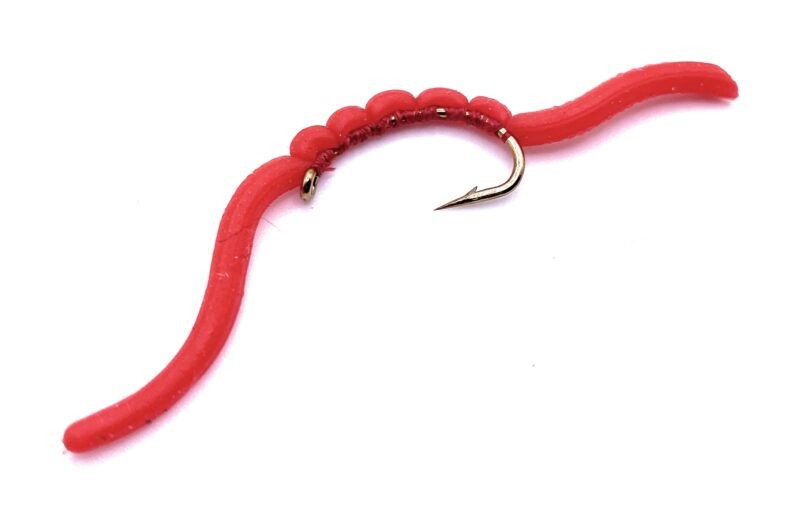
The San Juan Worm ranks among the most productive carp flies you can have in your tackle box, even with its simple design. This pattern gets strikes consistently while other flies fail, making it essential for anyone new to catching these picky eaters.
Why Worms Work for Carp
Carp love eating worms in their natural habitat, especially when they dig through muddy lake and river bottoms. These fish put their heads down and search the bottom for food. Worms give carp a protein-packed meal they naturally go after. The way worms wiggle in water also triggers carp's hunting instincts, which makes worm patterns impossible to resist if you present them right.
Color Variations for Different Waters
You'll find San Juan Worms in many colors, each working best in specific water conditions:
-
Red/Bright Pink: These shine in muddy or off-colored water since carp can spot them easily
-
Brown/Tan: These work great during rain or right after, as natural worms wash into the water
-
Purple/Wine: These catch fish that have seen too many standard colors
-
Orange/Chartreuse: These bright options get bites in murky water
You can try different colors based on where you fish.
Presentation Techniques for Worm Patterns
The drag-and-drop method catches lots of fish with San Juan Worms. Cast past a feeding carp and slowly pull the fly into its feeding zone before letting it sink naturally. If you see fish searching around, a light twitch of your rod makes the worm move like the real thing, often getting an immediate bite from nearby carp.
When to Use a San Juan Worm
San Juan Worms really shine in certain conditions:
-
Murky water periods where bright colors stand out
-
After rain or rising water brings natural worms into the water
-
When carp dig in muddy bottoms with their heads down
-
During high water as carp look for easy meals
Beginners love this pattern because it works so well and keeps things simple. The San Juan Worm hits the water softly without the splash that scares careful carp, yet still catches their attention enough to take a bite.
2. Hybrid Worm: John Montana's Game Changer
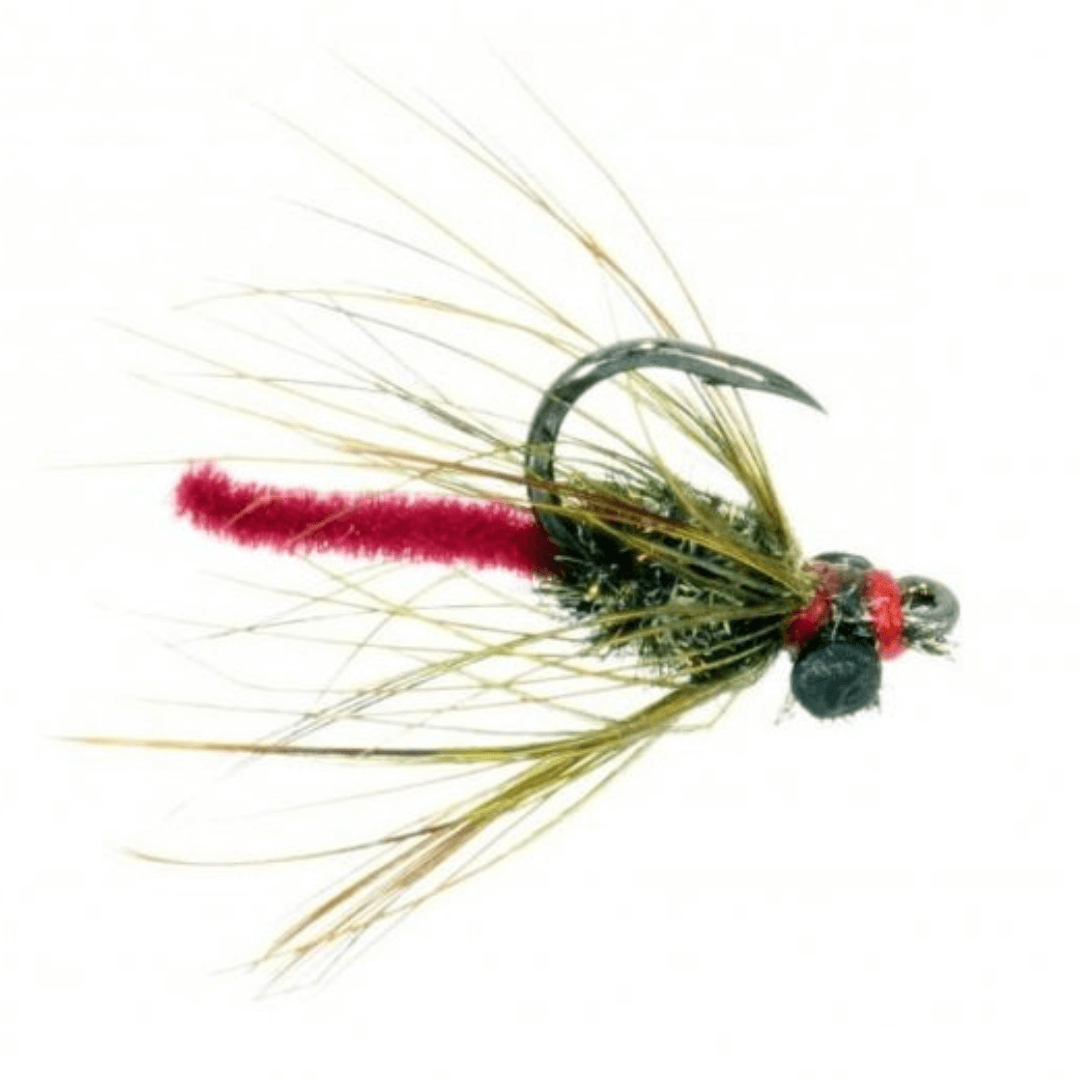
The Hybrid Worm combines the best features of worm patterns and soft-hackle wet flies. This pattern has become the life-blood of carp fly fishing. John Montana (who writes as John Bartlett) created this innovative pattern that changed how anglers catch these selective feeders.
The Story Behind the Hybrid
John Montana brilliantly merged a traditional soft-hackle fly with a San Juan Worm. His creation is now the most popular carp fly among anglers. Montana saw carp feeding on freshwater clams and worms. He developed this combined imitation that triggers aggressive strikes. The Hybrid has gained massive popularity among fly anglers over the last several years since its online debut. Anglers report catching up to 80% of their carp with this single pattern. The pattern's success has made it a staple in fly shops nationwide.
Materials and Design Features
Carp find these key components of the Hybrid Worm irresistible:
-
Hook: CarpPro Gaper size 8, Tiemco 2499SPBL, or Gamakatsu C14S
-
Thread: Black 6/0 or any dark colored thread
-
Eyes: Small brass/black nickel or medium bead chain
-
Tail: Ultra chenille or micro chenille in red, wine, or claret
-
Body: Black Ice-Dub chenille, peacock herl, or peacock Krystal Flash chenille
-
Hackle: Pheasant rump (yellow) or speckled hen back
Dumbbell eyes position the fly head-down and tail-up on the bottom. This mimics natural worms that feed with buried heads and suspended tails in the water. The materials move seductively even when still, making this pattern deadly effective.
Best Conditions for the Hybrid Worm
Waters with freshwater clams are perfect for the Hybrid. The fly lands softly but sinks fast enough to catch spooky fish in clear waters. The materials stay dry enough to prevent loud splashes during casts that might scare careful carp.
Anglers catch fish with this pattern in shallow water where carp backs show above the surface and in deeper spots where fish mud several feet down. New anglers looking to build confidence with flies for carp will find the Hybrid a great starting point. They can easily modify the pattern by changing tail colors or hackle materials to match different conditions.
3. Clouser Swimming Nymph
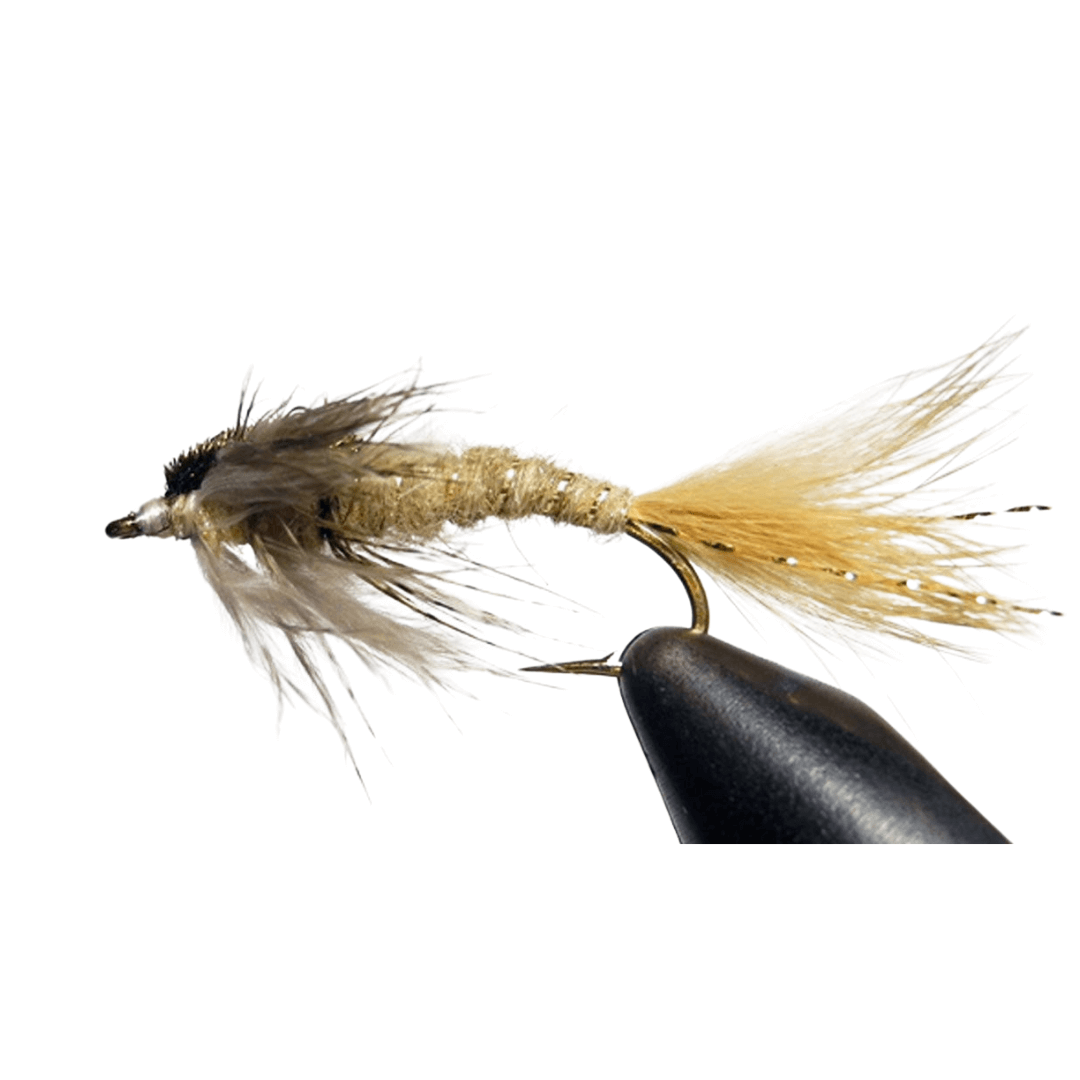
Bob Clouser's Swimming Nymph has become a legendary carp fly, though its famous cousin, the Clouser Deep Minnow, often steals the spotlight. This pattern really took off after Barry Reynolds featured it in his 1997 book "Carp on the Fly" - a book that became the unofficial bible for carp fly fishing enthusiasts.
Fishing the Clouser in Different Depths
This pattern shines because it works in waters of all depths. The unweighted version proves remarkably effective for "spooky crawlers" - carp feeding so shallow their backs show above water. Deeper water calls for versions with lead wire core or bead heads that help reach bottom-feeding carp quickly. Henry Cowen prefers to cast to the target area and let the fly sink slowly, then use gentle twitches along the bottom to trigger strikes.
Color Variations for Changing Conditions
The Clouser Swimming Nymph comes in three main colors:
-
Rusty Brown: Best for clear water and picky fish, size 10 works great
-
Gold: Shines in slightly stained water or bright conditions
-
Blonde/Tan: Performs well in most conditions, especially on light-colored bottoms
Orange and green patterns make excellent crayfish imitations for targeted carp fishing. Olive, brown, or black versions better match damselfly or dragonfly nymphs. Expert tiers suggest going easy on flash materials since "carp typically don't like too much flash".
4.Woolly Bugger.

The Woolly Bugger stands out as maybe even the most versatile and effective carp fly among countless fly patterns available today. Anglers call it "one of the best flies known to man and the ultimate streamer". This pattern belongs in every serious carp angler's fly box.
Adapting the Woolly Bugger for Carp
The Woolly Bugger works so well for carp because it mimics many food sources. A simple design with a marabou tail, chenille body, and wrapped hackle lets it imitate everything from leeches and larvae to small baitfish. Yellow and chartreuse variations catch more carp. Adding a gold bead boosts its appeal. You can adapt this versatile pattern to any fishing scenario - from imitating aquatic insects in clear waters to showing a bigger profile in murky conditions.
Size and Weight Considerations
The right size and weight choices are vital to success. Sizes 6-10 catch most carp. Larger patterns (size 6) excel in stained waters while smaller ones (size 8-10) work better in clear conditions. Weight variations include:
- Beadhead versions - Reach feeding fish quickly in deeper water
- Unweighted patterns - Provide subtle presentations in shallow water
- Three-weight system - Some anglers tie the same pattern in three weights: heavy (for deep, fast sinking), medium (for slow sinking), and light (for near-suspension)
This three-weight approach helps you adapt to different depths and feeding behaviors.
Retrieval Techniques for Maximum Effect
Your retrieval method often determines success. Active cruising carp will "rush aggressively at a slow twitched Woolly Bugger". Dead-drifting under an indicator works well for spooky fish by mimicking natural prey movement.
Clear water demands "slow twitching to make the fly pulse forward slowly under the water". Short, sharp tugs imitate darting crayfish or small baitfish. Pauses between strips often trigger strikes from cautious following fish.
The Woolly Bugger's adaptability makes it essential for fly fishing for carp in different environments. It truly deserves its reputation as the go-to carp fly.
5. Hare's Ear Nymph

The Hare's Ear Nymph saves the day for carp anglers during tough fishing conditions. This adaptable fly might be the most productive carp fly ever made. Its natural look comes in many variations that selective fish find hard to resist.
Why Natural Patterns Work for Selective Carp
The subtle profile and buggy look make the Hare's Ear so effective. Choosy or cautious carp love this fly's natural-looking materials that match various aquatic insects without looking fake. The muted colors and textured dubbing create a realistic shape that triggers feeding responses in pressured fish. The Hare's Ear works best when carp prefer something small and understated instead of bright and flashy. Fish respond well because this pattern looks like multiple food sources at once. Anglers can show a general insect form rather than picking just one type to match.
Size and Weight Variations
You can adapt this pattern in different weights and sizes:
-
Weighted options: Add a gold bead for a touch of flash and moderate weight, or use a black tungsten bead for fishing deeper water
-
Flash variations: In colored water, a flashback version often outperforms standard ties
-
Unweighted versions: For extremely spooky fish, a simple unweighted pattern without even a gold rib often proves most effective
Sizes 10-14 catch the most carp, with olive and traditional tan leading the way. These sizes attract attention yet stay subtle enough for picky feeders.
Presentation in Clear Water Conditions
The Hare's Ear works well dead-drifted in moving currents or slow-stripped in lakes and ponds when fishing clear water. Success rates go up if you cast beyond feeding fish and let the fly drift naturally into their path. Long leaders (12-15 feet) with 5X tippet help fool pressured fish.
Strike indicators make this pattern even better. Expert angler Ty Goodwin gets great results by hanging a size 10 Hare's Ear about 10-12 inches below a buoyant dry fly. This setup helps spot strikes while creating an appealing presentation.
6. Zebra Midge

The tiny Zebra Midge has proven itself a giant-killer in the world of carp flies, challenging the belief that bigger is better. This simple pattern with its thread body, wire ribbing, and small bead was designed for trout but has become crucial to catch selective carp in heavily pressured waters.
Small Flies for Pressured Carp
Carp become increasingly cautious of larger offerings under consistent angling pressure. Switching to micro patterns like the Zebra Midge can produce remarkable results. The pattern works best in sizes 18-22, with size 20 hitting the sweet spot for most situations. Clear, heavily fished waters where carp have grown wary of standard-sized patterns make this slim profile and subtle presentation ideal. The tungsten bead version sinks quickly into the strike zone, which allows precise presentations to bottom-feeding fish.
Color Selection for Different Waters
Four main colors dominate the Zebra Midge palette for carp:
-
Black: The most versatile choice year-round, works best in clear waters
-
Olive: Excels during summer through early fall
-
Red: Triggers aggressive takes during fall and winter
-
Purple: An attractor color that works surprisingly well in low, clear conditions
Carp find the pattern's contrasting wire ribbing irresistible underwater, as it creates a segmented appearance they'll strike even when ignoring other offerings.
Techniques for Fishing Micro Patterns
Success with micro patterns demands longer leaders and finer tippets. Experienced anglers suggest using 6-7X tippet with 9-foot leaders plus 2-3 feet of additional tippet. Zebra Midge takes often appear subtle - look for sideways movement or sudden turns rather than aggressive strikes. A dry fly indicator setup works effectively, and dropper lengths between 12-16 inches produce consistent hookups. The tiny pattern should sink naturally after casting before you add minimal movement to trigger curious carp.
7. Headstand
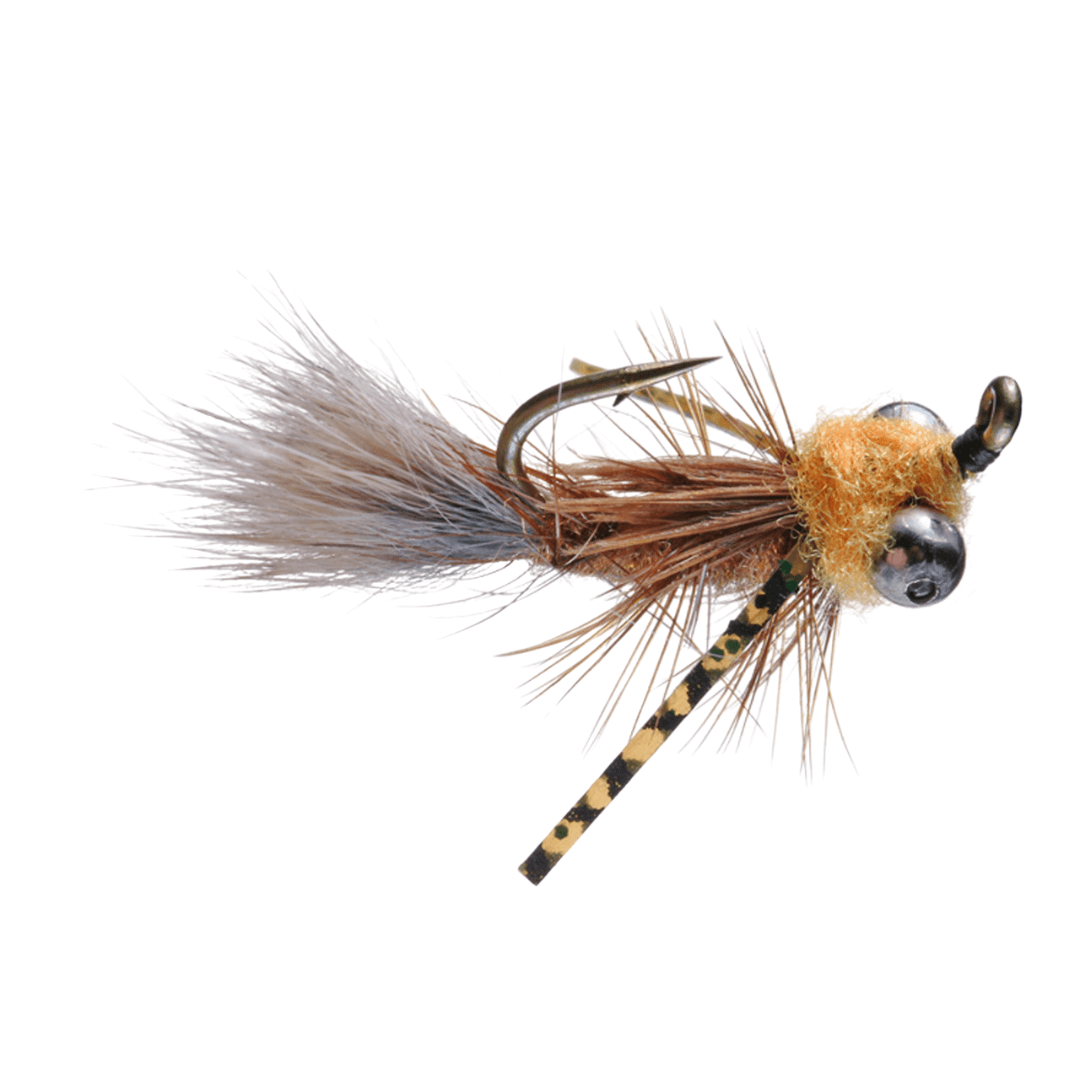
Lance Egan's Headstand has changed the game for anglers who sight fish for carp in shallow water. This clever pattern stands out because of its unique shape and practical features that help you catch bottom-feeding fish.
Design Features That Work
The magic of the Headstand comes from flipping the traditional presentation upside down. Bead chain eyes give the fly just enough weight to sink slowly and turn the hook over, yet stay light enough to avoid spooking nearby carp. This hook point position leads to better hookups because of how carp mouths are built. As Egan explains, "Because Carp have a mouth with a lower lip that is shorter than their upper lip, a fly riding hook down is more likely to slide out of the fish's mouth without penetrating".
A TMC 2457 hook (#8)'s curved shape works with bead chain eyes to create a profile that lifts off the bottom. The silicone legs add side-to-side stability and movement, which explains why it's called the "Headstand". This smart design reduces snags and helps fish spot the fly easily.
Fishing Techniques for Tailing Carp
The Headstand really shines when you cast it to tailing carp that don't move much or seem nervous in clear, shallow water. You'll get the best results if you cast a bit ahead of feeding fish and let the fly sink before retrieving it slowly into their path. Since "the take will be subtle," keep your eyes peeled for "the turn of the carp's head, set the hook, and hang on!".
Modifying the Headstand for Different Waters
You can choose between two main colors: rusty orange works great in clear water with picky fish, while chartreuse serves as an "attractor" in murky conditions. The rusty orange version makes an excellent crawfish imitation, and chartreuse helps both you and the fish see better in water that carp have stirred up.
Late in the season, as fish become pickier, a smaller size 8 Headstand proves especially useful. But if you need just one fly to chase tailing carp, "make it a Headstand".
8. Glo Bug: The Egg Pattern That Works
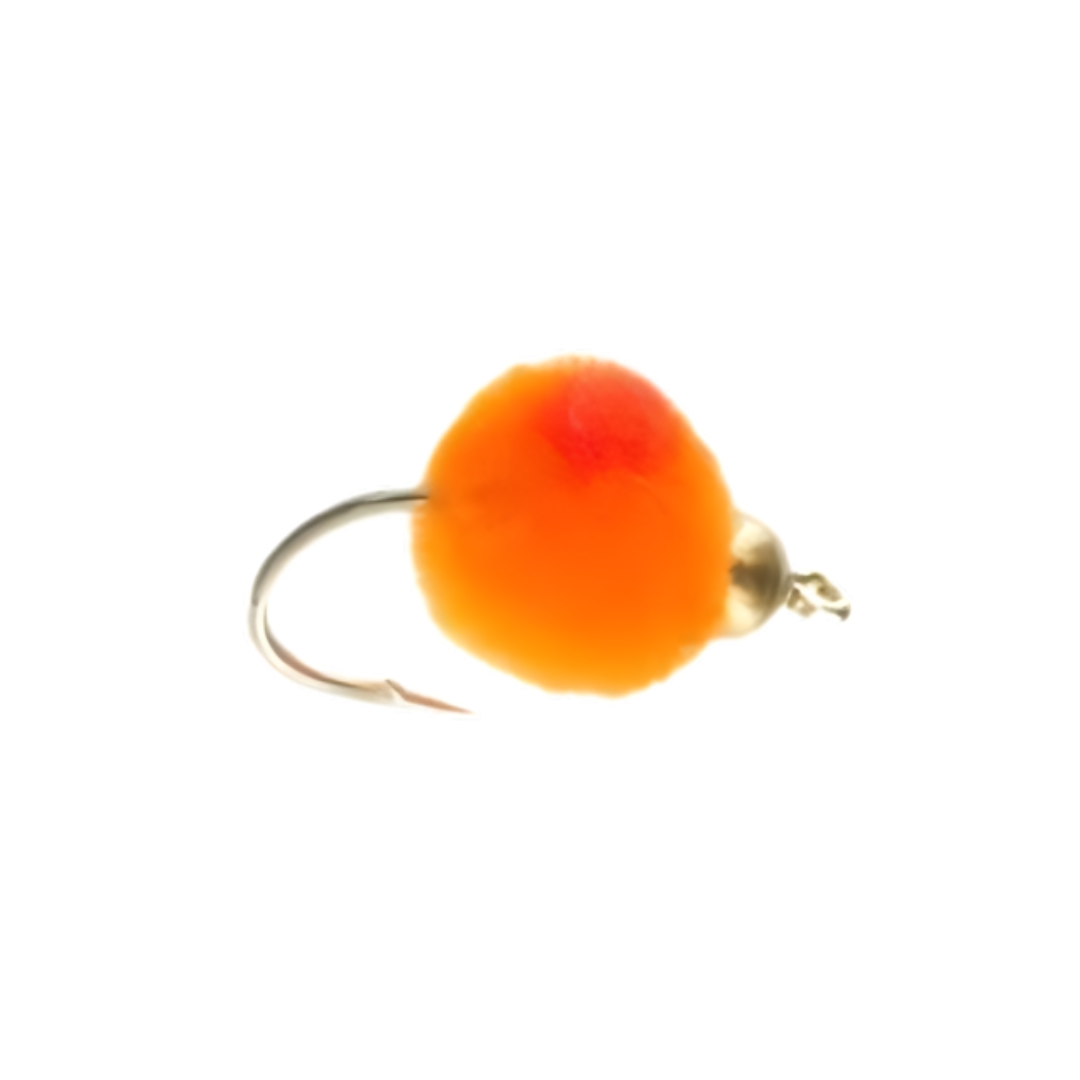
Many anglers overlook the humble Glo Bug, but it has become a secret weapon for carp fly fishing enthusiasts. This simple egg pattern works consistently when other traditional flies fail, especially during certain seasons.
Why Carp Target Eggs
Carp naturally feed opportunistically and eagerly devour eggs that fall from spawning beds. Eggs provide a high-calorie meal that requires little energy to eat. Research shows that all creatures in aquatic environments eat fish eggs whenever they can find them. White egg patterns have shown remarkable results. Anglers report that carp will sometimes circle back to poorly presented white egg patterns and still eat them. This success might match the timing of early summer cottonwood seed explosions, which creates a visual trigger that makes carp want to feed.
Seasonal Effectiveness of Egg Patterns
Egg patterns work best during specific seasons:
-
Spring (April-June): This matches carp spawning season when natural eggs are abundant
-
Fall: Brook trout (September-October) and brown trout (October-December) spawning periods
-
Year-round versatility: Egg patterns remain good attractor patterns even outside spawning seasons
We noticed that spawning periods create perfect conditions where non-spawning fish actively feed on drifting eggs below spawning grounds. These patterns land gently and sink quickly when tied correctly, making them ideal to catch cautious fish.
Color Selection Based on Water Clarity
The water's clarity helps determine which colors will be most visible:
-
Clear water: Smaller, natural-looking patterns in peach, white, or salmon egg colors
-
Murky/stained water: Larger, brighter versions like Cherise Glo Bug or fluorescent peach
-
Algae-laden water: Chartreuse green patterns that reflect the green wavelengths
-
Dirt/sand clouded water: Dark colors with flash elements to create bold profiles
The Glo Bug's success comes from its high visibility. Fluorescent egg yarn stands out dramatically underwater and creates clear profiles against muted backgrounds. This pattern started as a fly for steelhead and Great Lakes fishing but has become a must-have addition to any carp fly box.
9. Carp Bug: A Must-Have Fly for Carp Anglers
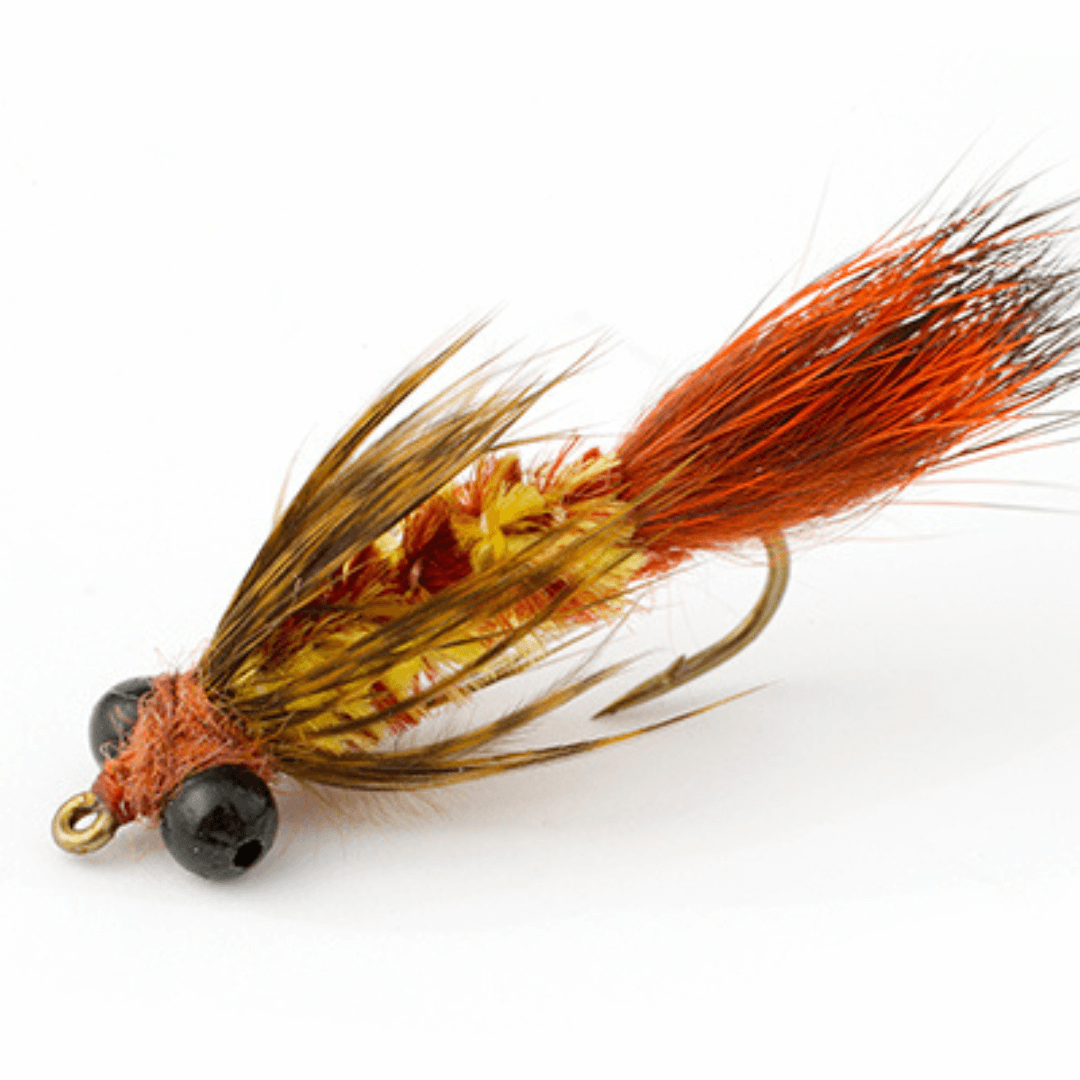
The Carp Bug is a powerhouse in the world of carp fly fishing. This pattern has gained a reputation for its ability to entice even the wariest carp in various water conditions. Designed to imitate aquatic insects and crustaceans, the Carp Bug has proven to be one of the best carp flies for anglers looking to consistently hook trophy-sized fish.
Origin and Design Features
The Carp Bug was developed to mimic the natural food sources carp feed on, including nymphs, larvae, and small invertebrates. This fly combines durability with lifelike movement, making it a top performer in both still waters and slow-moving rivers.
Key design features include:
-
Weighted head to ensure the fly sinks naturally into the feeding zone.
-
Rubber legs that create irresistible movement, even in slow currents.
-
Soft hackle or marabou tail to imitate the natural undulation of aquatic prey.
-
Subtle color variations like olive, rust, and tan to match different environments.
Best Conditions for the Carp Bug
The Carp Bug excels in both clear and stained waters. Its lifelike profile makes it an effective choice when carp are feeding aggressively in the shallows. The pattern is especially productive in areas with:
-
Silty bottoms where carp root for food.
-
Weedy shorelines where aquatic insects thrive.
-
Warm, shallow water where carp are most active.
Presentation for Maximum Success
Getting the right presentation is key to maximizing the effectiveness of the Carp Bug. To trigger a strike:
-
Use a slow, crawling retrieve to mimic a natural insect movement.
-
Target feeding carp in shallow flats for the best response.
-
Cast beyond the carp’s path and let the fly sink before twitching it forward.
-
Avoid excessive movement—carp are cautious and respond better to subtle action.
When the conditions get tough, and other patterns fail, the Carp Bug remains a reliable choice in any carp angler’s fly box.
10. Squirmy Wormy: A Carp Fly Fishing Essential
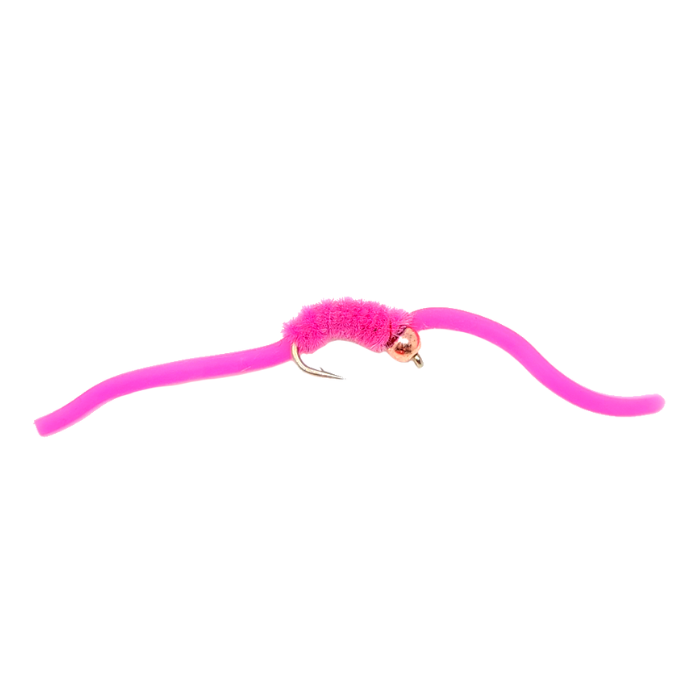
The Squirmy Wormy is one of the best carp flies for anglers looking to capitalize on a carp’s natural instinct to feed on worms. This simple yet incredibly effective pattern has become a must-have in every carp angler’s fly box. Whether you're fishing in murky waters or targeting pressured fish, the Squirmy Wormy can turn a slow day into a productive one.
Origin and Design Features
Originally popularized in trout fishing, the Squirmy Wormy quickly gained traction in carp fly fishing due to its irresistible movement and soft texture. The fly’s design enhances its effectiveness by mimicking aquatic worms and other natural food sources carp frequently feed on.
Key features include:
-
Elastic, lifelike worm material that wiggles naturally in the water.
-
Weighted or unweighted options to match different fishing conditions.
-
Bright and subtle color variations like red, pink, and tan to suit various water clarities.
-
Soft, flexible body that keeps carp engaged longer, reducing refusals.
Best Conditions for the Squirmy Wormy
The Squirmy Wormy excels in multiple conditions, making it one of the most versatile carp flies available. It is particularly effective when:
-
Carp are actively feeding in muddy or stained water.
-
Spring runoff or recent rains have washed natural worms into the system.
-
Fish are sluggish or hesitant, requiring a soft, slow-moving presentation.
-
Pressured carp have seen traditional patterns and need something different.
Presentation for Maximum Success
The Squirmy Wormy works best with a subtle and natural presentation. To maximize effectiveness:
-
Dead-drift it in slow-moving water to imitate a free-floating worm.
-
Use short, twitchy retrieves to create lifelike movement.
-
Let it settle on the bottom, as carp often feed by sifting through sediment.
-
Experiment with different colors based on water clarity and carp behavior.
Whether you're fishing clear flats or murky reservoirs, the Squirmy Wormy remains a go-to fly for fooling even the most cautious carp.
11. Crazy Charlie
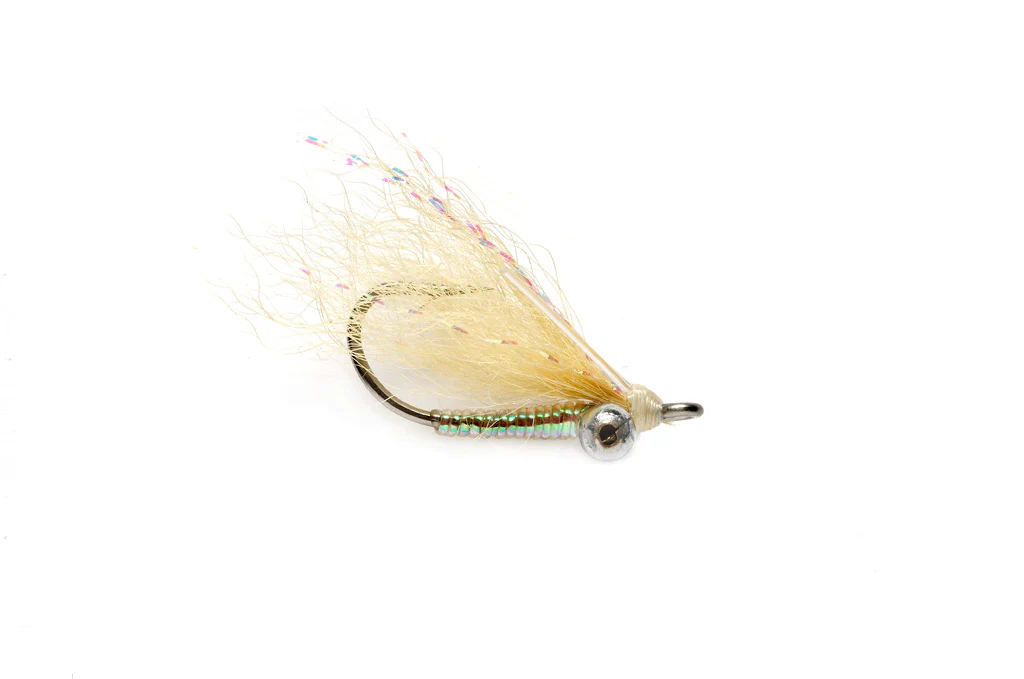
The Crazy Charlie is a legendary fly that has earned its place among the best carp flies for both still waters and slow-moving rivers. Originally designed for saltwater species like bonefish, this fly has proven to be just as effective in carp fly fishing, especially when targeting fish feeding on small crustaceans and aquatic insects.
Origin and Design Features
The Crazy Charlie was first developed as a bonefish fly in the Bahamas, but its lifelike movement and slim profile quickly made it a favorite among carp anglers. The fly’s design is perfect for imitating shrimp, crayfish, or even small nymphs that carp love to eat.
Key features include:
- Bead chain or lead dumbbell eyes for the perfect sink rate.
- Slim body profile that mimics crustaceans and insect larvae.
- Lightweight synthetic wing that adds natural movement.
- Color variations in tan, olive, and rust to match different environments.
Best Conditions for the Crazy Charlie
The Crazy Charlie works best when carp are feeding on the bottom or cruising in shallow waters. It’s especially effective in:
- Clear water where carp rely more on sight than scent.
- Gravel and sandy bottoms where small crustaceans and insects thrive.
- Sunny conditions when fish are actively foraging in the shallows.
- Slow-moving rivers and lakes where a subtle, natural fly presentation is key.
Presentation for Maximum Success
To make the most of the Crazy Charlie, focus on a light, precise approach that doesn’t spook wary carp. The best techniques include:
- Slow, short strips to imitate a darting shrimp or insect.
- Pausing between movements to let the fly settle naturally.
- Casting slightly beyond the carp’s path and allowing the fly to sink before retrieving.
- Using a neutral or low-visibility leader to avoid alarming cautious fish.
For anglers looking for a reliable, versatile fly that excels in multiple conditions, the Crazy Charlie is a must-have in any carp fly fishing collection.
12. Hipster Dufus: A Must-Have Carp Pattern
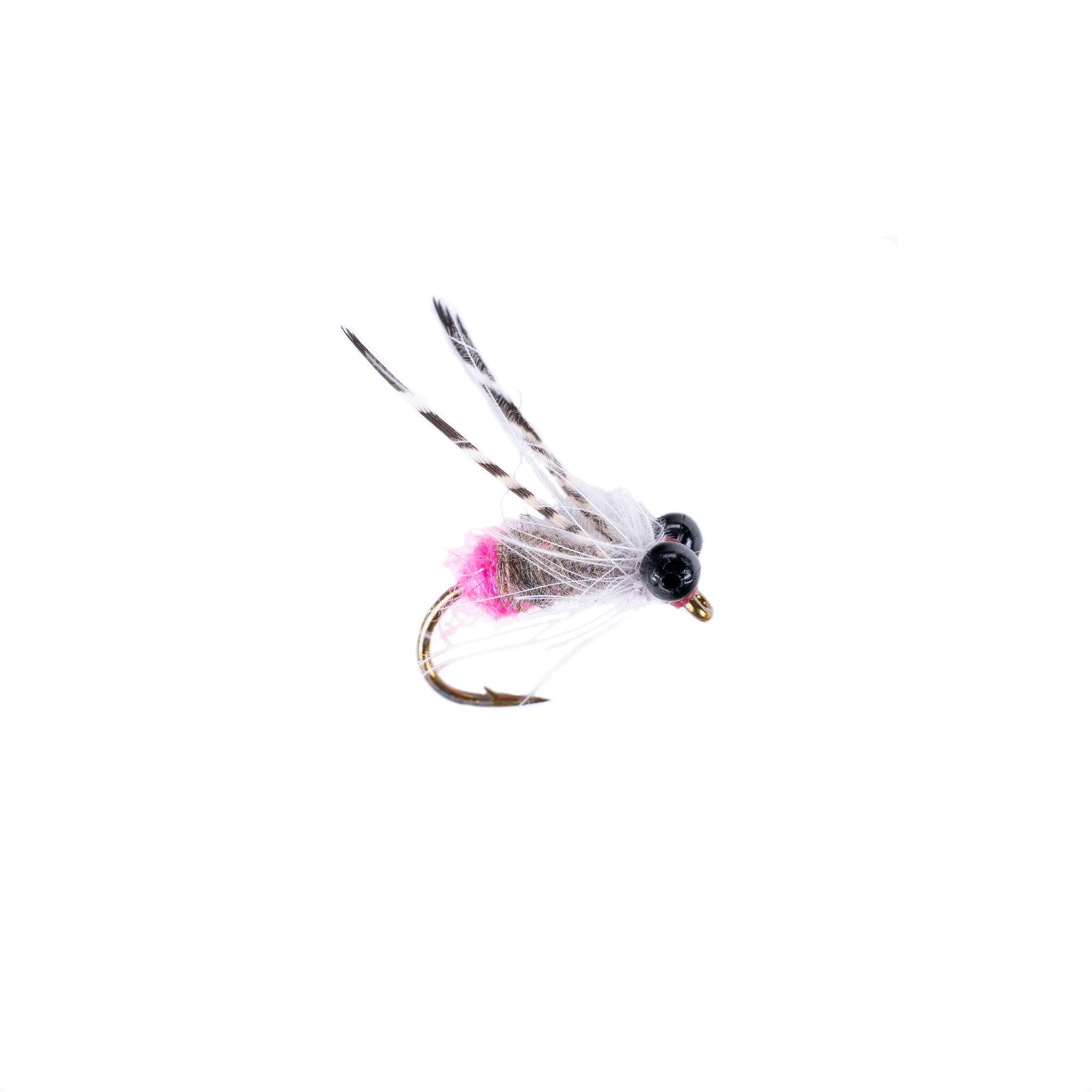
The Hipster Dufus is one of the best carp flies for fooling wary, selective fish. Designed to mimic small crayfish, leeches, or nymphs, this fly is a go-to pattern for anglers targeting carp in a variety of water conditions. Its natural movement and realistic profile make it a must-have for carp fly fishing, especially when other patterns fail to produce results.
Origin and Design Features
The Hipster Dufus was developed to imitate a range of carp food sources while offering a unique blend of movement and durability. This fly stands out for its ability to sink quickly and land softly—two key factors when presenting to spooky fish in shallow water.
Key features include:
- Bead chain or lead eyes for a balanced sink rate.
- Soft, buggy dubbing body that creates subtle movement.
- Rubber legs for added lifelike motion in the water.
- Muted, earthy color variations like olive, rust, and brown to match different environments.
Best Conditions for the Hipster Dufus
The Hipster Dufus shines when carp are feeding cautiously in shallow flats, clear water, or along weedy edges. It’s particularly effective when:
- Carp are feeding on crayfish, leeches, or large nymphs.
- The water is clear, and fish require a stealthy approach.
- Shallow flats and sandbars provide ideal ambush points.
- Fish are being selective and ignoring more aggressive patterns.
Presentation for Maximum Success
To get the best results with the Hipster Dufus, focus on a natural, slow-moving presentation. The best techniques include:
- Slow, crawling retrieves to imitate a small crayfish or nymph moving along the bottom.
- Letting the fly settle before making any movement to avoid spooking fish.
- Short, subtle strips to mimic prey trying to escape.
- Casting ahead of cruising carp and waiting for them to move toward the fly naturally.
For anglers targeting finicky carp in tough conditions, the Hipster Dufus is a game-changer in any carp fly fishing arsenal.
13. Backstabber: A Must-Have Carp Fly Pattern

The 15-year old Backstabber has become a go-to carp fly pattern that helped anglers catch thousands of fish with its amazing design. A happy accident during a bass fly tying session led to this pattern that now stands as a standard among classics like the Wooly Bugger and Adams.
Why the Backstabber Excels in Clear Water
The unique design elements make the Backstabber so successful in clear water. Its upside-down hook position prevents snags and ensures solid hookups. The reverse tear-drop profile makes carp strike consistently by matching various natural prey. The marabou wing creates a pulsating action that draws even the most careful fish. The fly compresses slightly during retrieval to mimic a fleeing creature—something carp just can't resist. The hook point rides up to keep debris away along the muddy bottoms where carp feed.
Seasonal Color Variations
You'll find the Backstabber in five distinct colors that match specific conditions:
-
Olive - We used this for large, spooky carp in clear, well-foliaged waters
-
Black - This works best in muddy water since anglers can track it easily
-
Wine - The best choice during early season with cold water
-
Gray Minnow - This shines in late season as water levels drop and carp chase shad in back coves
-
Rust - A perfect crayfish match for clearer waters, rivers, and creeks
Presentation Tips for Spooky Carp
The drag-and-drop method is the quickest way to get results with the Backstabber. Cast beyond your target carp, then slowly drag the fly into the feeding zone before letting it drop naturally. The marabou tail's enticing flutter during descent reaches bottom quickly—a vital balance to attract careful fish. The pattern works great with different presentations, making it perfect for beginners starting fly fishing for carp. You can tie it quickly, scale it to different sizes (usually sizes 6-10), and catch multiple species beyond carp.
14. Mulberry Fly
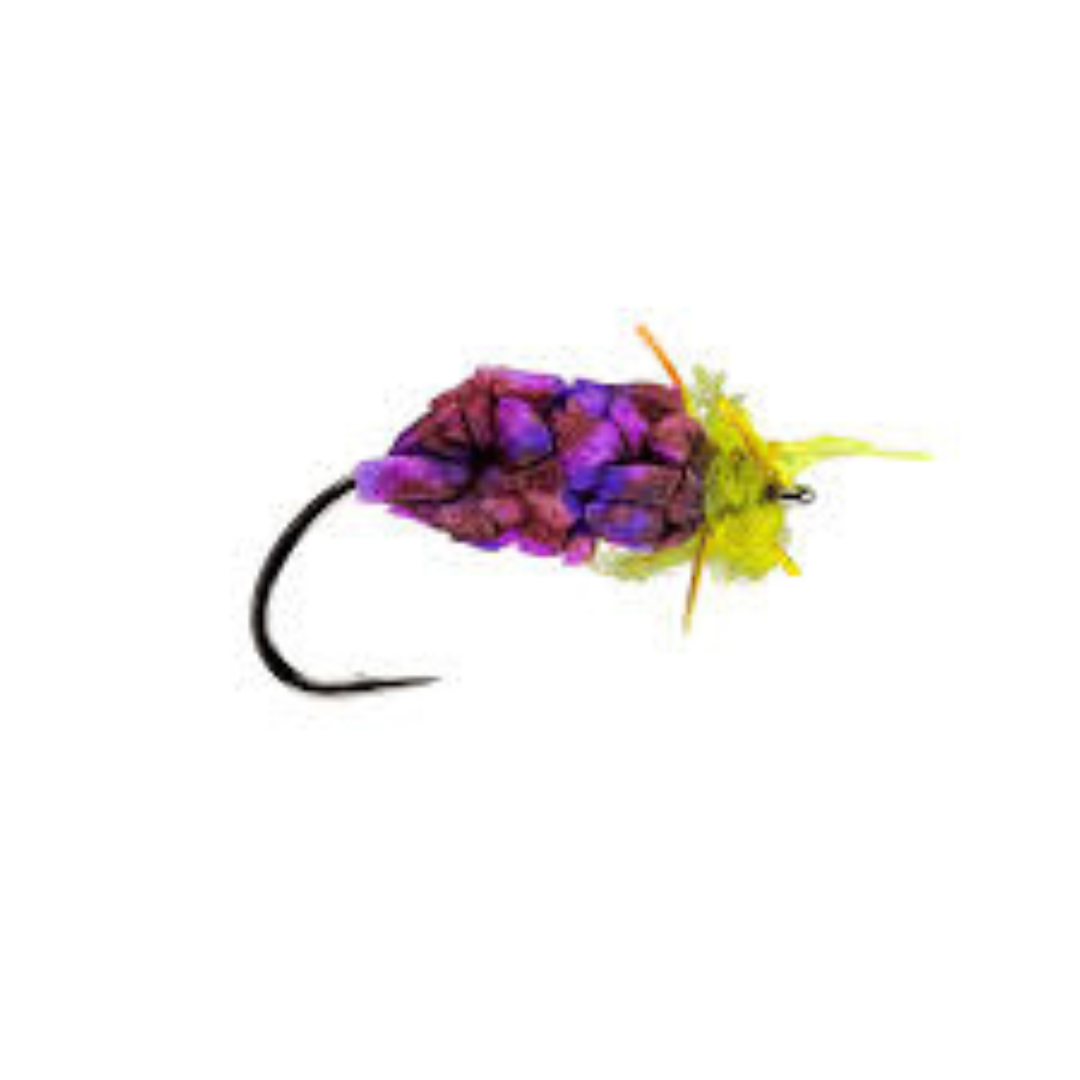
The summer season brings a spectacular chance for carp fly fishing as mulberry trees drop their fruit into waterways. This creates one of the most exciting seasonal events in fly fishing. The Mulberry fly pattern takes advantage of this natural occurrence and triggers explosive takes from even the most careful carp.
Understanding the Mulberry Hatch
Mulberry trees thrive in the great plains and many other regions, and their fruit usually ripens in mid to late June. Small berries grow on these trees that often line waterways, which creates perfect conditions for fly anglers during ripening season. Very ripe mulberries fall into the water below if birds don't eat them directly from the tree. Anglers call this the "mulberry hatch," though it's not a traditional hatch but rather fruit falling that carp have learned to expect.
Timing Your Fishing with Natural Food Sources
Mulberries typically reach peak ripeness from May through August, based on your location. The best spots have trees with branches hanging over water bodies, where carp naturally position themselves under these feeding zones. Wind becomes your friend during mulberry season - stronger breezes knock more berries into the water and create better feeding chances. Carp will line up downstream of a mulberry tree like surface-feeding trout on windy days and take turns moving up to gulp fallen berries.
Surface Presentation Techniques
A mulberry's distinctive "plop" sound hitting the water acts like a dinner bell for carp. Your fly needs to match this sound exactly - fish might ignore a too-soft sound or spook from one too loud. Successful anglers add just enough weight to make the right "plop" on entry, and many use a thin thread of Zap-a-Gap adhesive under the hook shank. The presentation should mimic a hopper or beetle rather than a delicate dry fly. Cast should land within a foot of the fish's snout because these opportunistic feeders respond more to sound than sight.
15. Carp Breakfast: The Great Lakes Favorite

Kevin Morlock, a premier guide on Lake Michigan's Beaver Island, created the Carp Breakfast which has become the go-to carp fly in the Great Lakes region. This pattern has earned a loyal following among anglers who chase trophy carp in deep, wide waters.
Design Features for Big Water Carp
The Carp Breakfast's design matches cottonwood seed pods that fall into the water during late spring and early summer. Carp find these white, fluffy pods impossible to resist as food. The pattern's weight helps it sink to deeper feeding zones while looking natural to the fish. Key features make this fly special:
-
Heavy dumbbell eyes sink fast
-
Buoyant materials create a natural suspension
-
Larger profile matches the big prey items in Great Lakes waters
Deep Water Demands Heavy Patterns
The Carp Breakfast shines in waters deeper than 20 feet, where lighter flies struggle to reach the right depth. Experience shows that weights of 4-5oz work best in deep water situations. Heavier patterns help you hit your target spots with better accuracy and sink to feeding zones faster.
Strong undertow in big waters can mess up your bait presentation, and lightweight patterns just drift away. This pattern works best at the time water stays cool in deeper zones, where carp look for steady temperatures.
Fishing Techniques in Deep Water
Your success depends on putting the bait in the right spot. In 30-foot depths, cast about one rod length shorter to handle the "swing back" as the fly drops. Let your line sink properly so it stays straight to the rig without moving the lead.
Deep water fishing needs you to feel your fly as it sinks to know it's in the right place. Heavy patterns stay put even with strong undertow, which means your presentation stays good where carp feed on the bottom.
Comparison Table of the Best Carp Fly Fishing Flies.
| # | Fly Pattern | Main Use/Specialty | Best Water Conditions | Recommended Colors | Design Features | Best Presentation Method |
|---|---|---|---|---|---|---|
| 1 | San Juan Worm | Universal attractor | Muddy or off-colored water | Red/Pink, Brown/Tan, Purple/Wine | Basic design with protein-rich imitation | Drag-and-drop method |
| 2 | Hybrid Worm | Freshwater clam imitation | Clear waters | Red, Wine, Claret | Dumbbell eyes with soft hackle | Head-down, tail-up position |
| 3 | Clouser Swimming Nymph | Multiple prey imitation | Waters at varied depths | Rusty Brown, Gold, Blonde/Tan | Rabbit fur tail with adaptable design | Gentle twitches along bottom |
| 4 | Woolly Bugger | All-purpose pattern | Clear and stained waters | Yellow, Chartreuse | Marabou tail and chenille body | Slow twitch or dead-drift |
| 5 | Hare’s Ear Nymph | Natural insect imitation | Clear water | Olive, Traditional Tan | Textured dubbing | Dead-drift with indicator |
| 6 | Zebra Midge | Pattern for selective fish | Clear, pressured waters | Black, Olive, Red, Purple | Thread body and wire ribbing | Long leader, minimal movement |
| 7 | Headstand | Bottom feeding expert | Shallow, clear water | Rusty Orange, Chartreuse | Bead chain eyes and inverted hook | Slow retrieve into fish's path |
| 8 | Glo Bug | Egg imitation | Waters of varied clarity | White, Peach, Chartreuse | Fluorescent egg yarn | Dead drift presentation |
| 9 | Carp Bug | All-purpose carp fly | Still and slow-moving waters | Olive, Rust, Tan | Weighted head, rubber legs | Slow crawling retrieve |
| 10 | Squirmy Wormy | Worm imitation | Muddy or stained waters | Red, Pink, Tan | Soft, elastic worm material | Dead-drift or short, twitchy retrieves |
| 11 | Crazy Charlie | Crustacean imitation | Clear and sandy waters | Tan, Olive, Rust | Bead chain eyes, lightweight synthetic wing | Short strips and pauses |
| 12 | Hipster Dufus | Imitates crayfish and nymphs | Clear, shallow flats | Olive, Rust, Brown | Soft, buggy dubbing, rubber legs | Slow crawling retrieve |
| 13 | Backstabber | Clear water expert | Clear waters with foliage | Olive, Black, Wine, Gray, Rust | Upside-down hook, marabou wing | Drag-and-drop method |
| 14 | Mulberry Fly | Berry imitation | Surface water | Dark Purple/Black | Berry-shaped profile | "Plop" presentation |
| 15 | Carp Breakfast | Deep water expert | Deep Great Lakes waters | Not mentioned | Heavy dumbbell eyes | Slow sink, bottom crawling retrieve |
Conclusion
These 15 essential carp flies will definitely raise your success on the water. Each pattern has a unique purpose, from the versatile San Juan Worm to the deep-water specialist Carp Breakfast. My research and experience shows that successful carp fishing doesn't depend on carrying every possible pattern. It's about learning to use specific flies at the right time.
Natural imitators like the Hare's Ear Nymph work best when combined with attention-grabbing patterns such as the Backstabber or Carpinator. Water conditions drive your fly choice. Clear waters just need subtle presentations with smaller flies like the Zebra Midge. Murky conditions work better with high-visibility options like the Carp Bitter or Wooly Bugger.
The best anglers match their fly selection to seasonal opportunities. The Mulberry Fly excels during summer fruit drops, and the Hybrid Worm becomes deadly when carp target freshwater clams. Your fly box should start with these proven patterns that help you match various conditions and feeding behaviors on the water.
Note that presentation matters more than pattern choice. A perfectly chosen fly with poor technique catches fewer fish than a simple pattern presented naturally. Pick three or four versatile patterns from this list and become skilled at their presentation. Then expand your selection as you gain confidence targeting these challenging fish.
Faqs About best Carp flies
What are some effective fly patterns for catching carp?
Some highly effective carp fly patterns include the San Juan Worm, Clouser Swimming Nymph, Wooly Bugger, Backstabber, and Carp Carrot. These flies imitate various food sources carp feed on, from worms and crayfish to aquatic insects and plant matter.
How should I present flies when targeting carp?
Presentation techniques vary depending on the fly and conditions. Generally, a slow, subtle approach works best. For example, the drag-and-drop method is effective for many patterns, while others may require gentle twitches or dead-drifting. Always aim to place your fly near the carp's feeding zone without spooking the fish.
What weight fly rod is recommended for carp fishing?
A 7-weight fly rod is generally considered ideal for carp fishing. It provides enough backbone to handle larger carp while still allowing for delicate presentations. Some anglers may opt for an 8-weight rod when targeting particularly large carp or fishing in windy conditions.
Are there any seasonal patterns I should be aware of when fly fishing for carp?
Yes, seasonal patterns can greatly impact carp fishing success. For instance, the Mulberry Fly is highly effective during summer when mulberry trees drop fruit into the water. Similarly, egg patterns like the Glo Bug can be productive during spring spawning seasons. Always consider the natural food sources available to carp during different times of the year.
How do I choose the right fly color for carp fishing?
Fly color selection depends on water conditions and visibility. In clear water, natural colors like olive, tan, or brown are often effective. For murky or stained water, brighter colors like chartreuse or orange can help carp locate your fly. It's beneficial to carry a variety of colors to adapt to changing conditions and carp preferences.