
How to Plan the Best Montana Fly Fishing Trips.
Best fly fishing Montana offers over 450 miles of blue-ribbon trout streams, solidifying its reputation as the premier destination for anglers in the lower 48 states. Planning the perfect Montana fly fishing trip might seem overwhelming, whether the goal is landing a trophy rainbow on the Madison River or enjoying a serene day on a secluded mountain stream. Through extensive research, we've gathered valuable insights from top Montana fly fishing guides, books, blogs, and interviews. This deep dive into expert knowledge provides a wealth of information to help you plan the perfect fly fishing adventure. By analyzing the experiences of those who know Montana’s waters best, we’re able to offer you a comprehensive guide to the state’s best locations, optimal timing, and proven techniques.
In this article, we are going to share how to get the best out of your Montana fly fishing trip. Whether you're an experienced angler or just starting out, our guide will help you plan a successful trip and ensure you make the most of Montana's incredible fishing opportunities.
When to Plan Your Montana Fly Fishing Adventure
Experienced Montana fishing guides emphasize that choosing the right time is crucial for a successful fly fishing trip. Their insights can help anglers plan the perfect adventure.
Peak Seasons for Different Species
Each season in Montana brings its own unique fishing opportunities. The target species and preferred fishing style should guide when anglers plan their visit. Based on insights from top Montana guides, here are the best fishing windows for various species.
| Season | Best Species | Key Hatches |
| Spring (March - Mid June) | Rainbow and Cutthroat Trout | Blue Winged Olives, Mother's Day Caddis |
| Summer (Mid June - Labor Day) | Multiple Species (Trout, etc.) | Stoneflies, Mayflies, Caddis |
| Fall (Labor Day - October) | Trophy Brown Trout | Blue Winged Olives, Pale Morning Duns, October Caddis, Salmon Flies, Tricos |
Weather Considerations by Region
Montana's weather patterns play a vital role in fishing success. Spring brings highs from the 40s to 70s and lows from the 20s to 50s. The weather has a substantial impact on how fish behave and the techniques we use.
Summer temperatures climb to the 70s and 80s, while nights cool down to the 40s and 60s. To cite an instance, when days get really warm, your best chances are early mornings or late evenings - that's when fish are most active.
Avoiding Tourist Crowds and Peak Times
Experienced Montana fishing guides note that July tends to draw the biggest crowds to the region. However, there are ways to avoid the hustle and bustle:
Time of Day
Early mornings are the best, with many guides recommending getting on the water by 6 a.m. during peak season to take advantage of the cooler hours before the crowds arrive.
Season Selection
Early spring, particularly from April through mid-May, offers a much more peaceful experience. This "sleeper" period, which spans the last two weeks of April and the first week of May, is ideal for anglers looking to avoid the summer rush. The fish are active, and the scenery is spectacular, with fewer people around and excellent hatches.
Choosing Your Perfect Fishing Location
Montana's vast landscape offers countless fishing spots, and top fishing guides agree that selecting the right location plays a crucial role in creating an exceptional experience.
Famous Rivers vs Hidden Gems
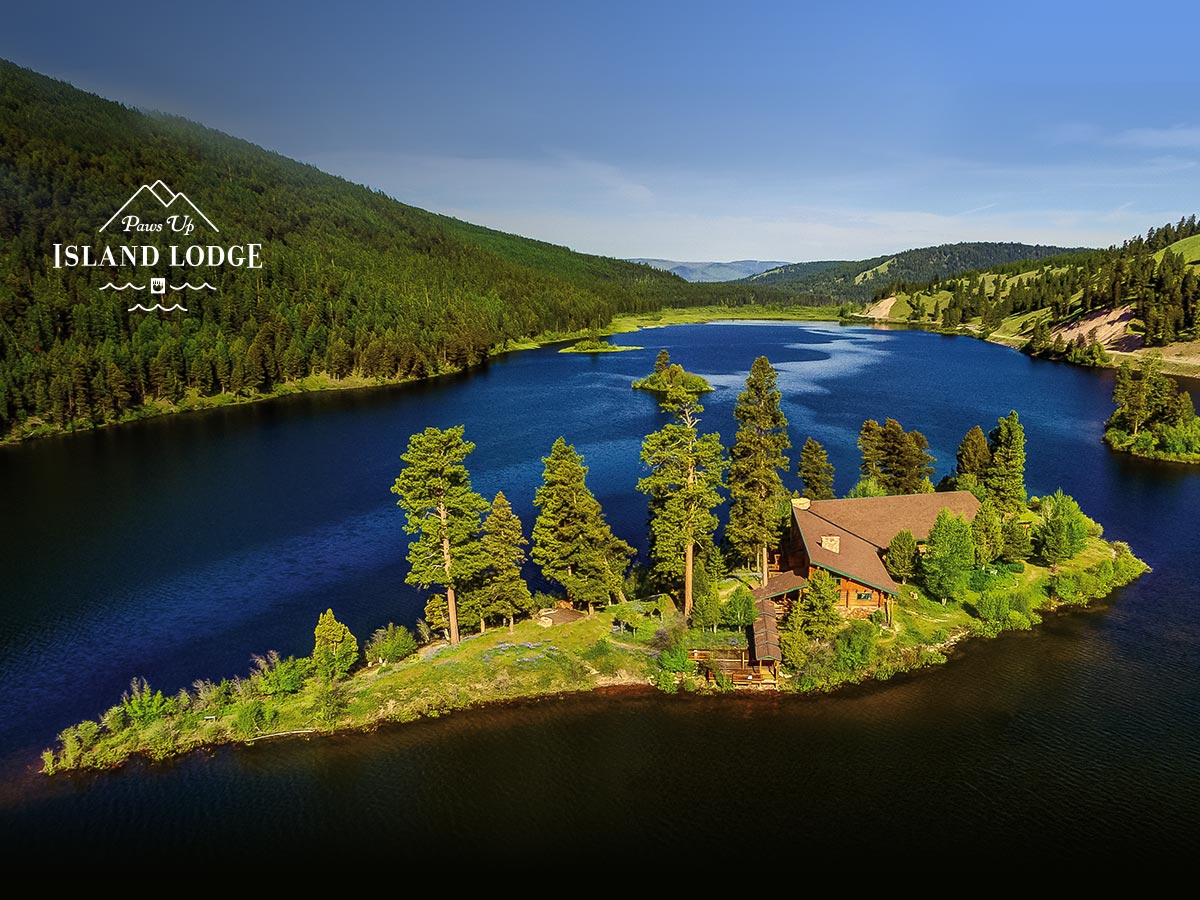
The Resort at Paws Up offers a stunning experience for anglers, featuring its exclusive Island Lodge at Salmon Lake, which provides a perfect setting for fly fishing enthusiasts. Known as one of the best fly fishing lodges in Montana, it offers guided excursions on some of the most renowned trout waters in the state. For more information on this luxurious Montana fly fishing lodge, visit the official Paws Up website.
Montana's rivers are renowned for their exceptional fishing, making it one of the best fly fishing Montana destinations in the U.S. The state boasts several prominent rivers that offer outstanding opportunities for anglers:
1. The Yellowstone River
Known as the longest free-flowing river in the U.S., it is famous for its healthy populations of cutthroat trout, providing anglers with incredible fishing experiences.
2. The Missouri River
With more than 5,000 trout per mile, this river offers some of the most productive waters in the state, drawing anglers seeking both quantity and quality.
3. The Madison River
Recognized for its swift currents, the Madison supports strong populations of wild brown and rainbow trout, making it a thrilling destination for anglers.
5. The Bighorn River
Known as one of Montana's most productive wild trout rivers, the Bighorn is a must-fish for those seeking exceptional trout fishing.
These rivers are among the best fly fishing Montana has to offer, each providing a unique appeal and abundant trout populations.
In spite of that, some of my most memorable fishing experiences happen on lesser-known waters. The small mountain streams that tumble from ranges like the Absarokas and Beartooths are perfect spots for exceptional solitude and eager fish. These hidden gems let you catch native Yellowstone cutthroat, westslope cutthroat, and brook trout in pristine settings.
Matching Waters to Your Skill Level
When it comes to choosing the right waters, matching them to your skill level is key. For beginners, the Missouri River near Craig is an excellent option. With its high fish density and average fish size, it's easier to catch fish and build your confidence. On the other hand, if you're seeking a challenge, the Madison River provides more difficult conditions. However, with time and practice, you'll begin to understand its rhythms and intricacies. Ultimately, selecting the right water for your skill level will enhance your experience and make it one of the best Montana fly fishing trips you'll have.
Morning vs Evening Fishing Sessions
Timing plays a critical role in fishing success. Early mornings, before 8:00 AM, are ideal for nymph and streamer fishing. During this time, the water is cooler, and fish are more active. The best dry fly action usually occurs from mid-morning to early afternoon, when hatches are at their peak.
Evening sessions also offer unique opportunities. The best time to fly fish in Montana often includes the "evening rise," which starts about an hour before sunset. As large brown trout become more active after dark, evening fishing sessions are perfect for those seeking a trophy catch. This pattern, seen on rivers like the Boulder River, proves that fishing at the right time can lead to a truly memorable experience
Combining Fishing with Other Activities
Montana offers more than just world-class fishing. Here’s how you can make the most of your experience
| Activity | Details |
| Yellowstone National Park | Take a break from fishing and enjoy the park’s geysers, wildlife, and stunning scenery. |
| Guided Hiking Tours | Enjoy a hike through Montana’s beautiful wilderness, with stops at mountain views and peaceful lakes. |
| Historical Site Visits | Learn about Montana’s past at local museums and historical sites in Missoula or Bozeman. |
| Arts and Music Festivals | Relax and enjoy live music and local art at one of Montana’s lively summer festivals. |
Best Fly Fishing Flies for Montana: Top Patterns for Every Season.
The best fly fishing flies for Montana vary based on the season, water conditions, and the fish species you're targeting. Here’s a list of the top fly patterns that consistently perform well in Montana’s famous rivers, such as the Yellowstone, Madison, and Gallatin.
Fly Type |
Fly Pattern |
Description & Best Time to Use |
Recommended Fly Size |
| Dry Flies (Surface Flies) | Parachute Adams | Versatile, mimics mayflies, effective year-round | Size 14-20 |
| Elk Hair Caddis | Great for summer caddis hatches | Size 12-16 | |
| Purple Haze | General attractor, works well in Montana waters | Size 12-18 | |
| Chubby Chernobyl | Imitates hoppers, excellent in late summer | Size 6-10 | |
| Nymphs (Subsurface Flies) | Pheasant Tail Nymph | Mimics mayfly nymphs, effective year-round | Size 12-18 |
| Hare’s Ear Nymph | Classic attractor nymph for trout in Montana | Size 12-16 | |
| Pat’s Rubber Legs | Ideal for stonefly nymphs, especially in spring | Size 6-10 | |
| Copper John | Effective in fast currents, great for its weight and flash | Size 14-18 | |
| Streamers (For Big Trout) | Woolly Bugger | Universal streamer for large trout | Size 4-8 |
| Zonker | Imitates baitfish, works well in lakes and rivers | Size 2-6 | |
| Sculpzilla | Target aggressive brown trout | Size 4-8 | |
| Terrestrials | Hopper Patterns | Great for summer and early fall fishing | Size 8-12 |
| Ant Patterns | Effective when fish are feeding on terrestrials near riverbanks | Size 14-20 | |
| Beetle Patterns | Works well in late summer | Size 10-14 | |
| Season-Specific Favorites | Salmonfly Patterns | Large stonefly imitations, essential during salmonfly hatch | Size 4-6 |
| BWO (Blue-Winged Olive) | Ideal for spring and fall mayfly hatches | Size 18-22 | |
| PMD (Pale Morning Dun) | Must-have for late spring and summer fishing | Size 16-20 |
The Best Fly Fishing Flies for Montana are designed to match a variety of food sources and fishing conditions, ensuring anglers are fully equipped to tackle the diverse waters and abundant trout species across Montana’s renowned rivers and streams.
Conclusion
Montana's fly fishing scene offers anglers endless opportunities for adventure and unforgettable experiences. With years of guiding experience, it's clear that successful trips come down to three key factors: choosing the right season, selecting the perfect waters, and using proven fly patterns.
In spring, rainbow and cutthroat trout thrive, while summer brings a diverse range of species and exciting hatch activity. Fall is the prime time for landing trophy brown trout. Flexibility is essential, as Montana’s weather can change rapidly. Being prepared with backup spots and adaptable techniques ensures you're always ready for whatever comes your way.
To find the best fly fishing Montana has to offer, anglers should match their skills with the waters and flies that align with the current season. Montana’s pristine rivers are waiting to challenge your abilities and reward your preparation with incredible catches. Your Montana fishing adventure could be the one to create unforgettable memories.
Faqs about Best Fly Fishing Montana.
When is the best time to go fly fishing in Montana?
The best time depends on your target species and preferences. Spring (March to mid-June) is excellent for rainbow and cutthroat trout. Summer (mid-June through Labor Day) offers diverse fishing opportunities, while fall (September to October) is ideal for trophy brown trout.
Which are some of the top fly fishing rivers in Montana?
Montana boasts several legendary rivers for fly fishing. The Yellowstone River is known for its cutthroat trout, the Missouri River has an impressive trout population, the Madison River offers swift waters with wild brown and rainbow trout, and the Bighorn River is one of the most productive wild trout rivers in the state.
What are some essential fly patterns to have for Montana fly fishing?For Montana fly fishing, essential fly patterns include:
- Dry Flies: Parachute Adams, Elk Hair Caddis, Purple Haze, and Chubby Chernobyl.
- Nymphs: Pheasant Tail Nymph, Hare’s Ear Nymph, Pat’s Rubber Legs, and Copper John.
- Streamers: Woolly Bugger, Zonker, and Sculpzilla.
- Terrestrials: Hopper Patterns, Ant Patterns, and Beetle Patterns.
- Seasonal Favorites: Salmonfly, BWO (Blue-Winged Olive), and PMD (Pale Morning Dun).
How can I avoid crowds while fly fishing in Montana?
To avoid crowds, consider fishing during off-peak times. Early spring (April to mid-May) offers great fishing with fewer people. Start your day early, around 6 AM, during peak season. Also, explore lesser-known waters and small mountain streams, which often provide solitude and eager fish.
How much does a guided fly fishing trip in Montana typically cost?
A typical guided day of fly fishing in Montana costs around $500 for two people, not including tip. Total trip costs can vary widely depending on factors like lodging, food, and duration of stay. For a 3-day trip for two, budget between $2,000 to $3,000, excluding airfare.