
The 27 Best Redfish Flies For Every Angler
Redfish flies are designed to perform across one of the most diverse saltwater environments in fly fishing—from muddy marshes and estuaries to clear grass flats, coastal shorelines, and flood tide zones. Whether targeting fish in changing tides, varying water clarity, or shifting seasonal forage, selecting the right redfish fishing flies is essential for consistent success. Redfish are aggressive, opportunistic feeders that actively hunt crabs, shrimp, and baitfish year-round, making realistic and well-matched fly patterns critical.
Effective redfish fly patterns imitate the primary forage found in specific habitats and seasons. Shrimp flies excel on shallow grass flats and sandy bottoms, crab patterns dominate during flood tides and marsh conditions, and baitfish flies produce in deeper channels, open flats, and along structure when redfish chase mullet and minnows.
Seasonal sizing plays an important role in fly selection. Winter redfish are often larger—especially Bull Redfish—and are best targeted with flies in the 1/0 – 2/0 size range, fished deeper and slower. While these larger flies remain effective year-round, summer redfish are typically smaller and respond best to crab and shrimp patterns in the #4 – #1/0 size range on shallow flats. Carrying a balanced selection of sizes, weights, and colors ensures you can match changing water conditions, visibility, and feeding behavior in real time.
This guide presents 27 best redfish flies that have consistently proven effective across all major redfish habitats, including marshes, flats, estuaries, and coastal shorelines.
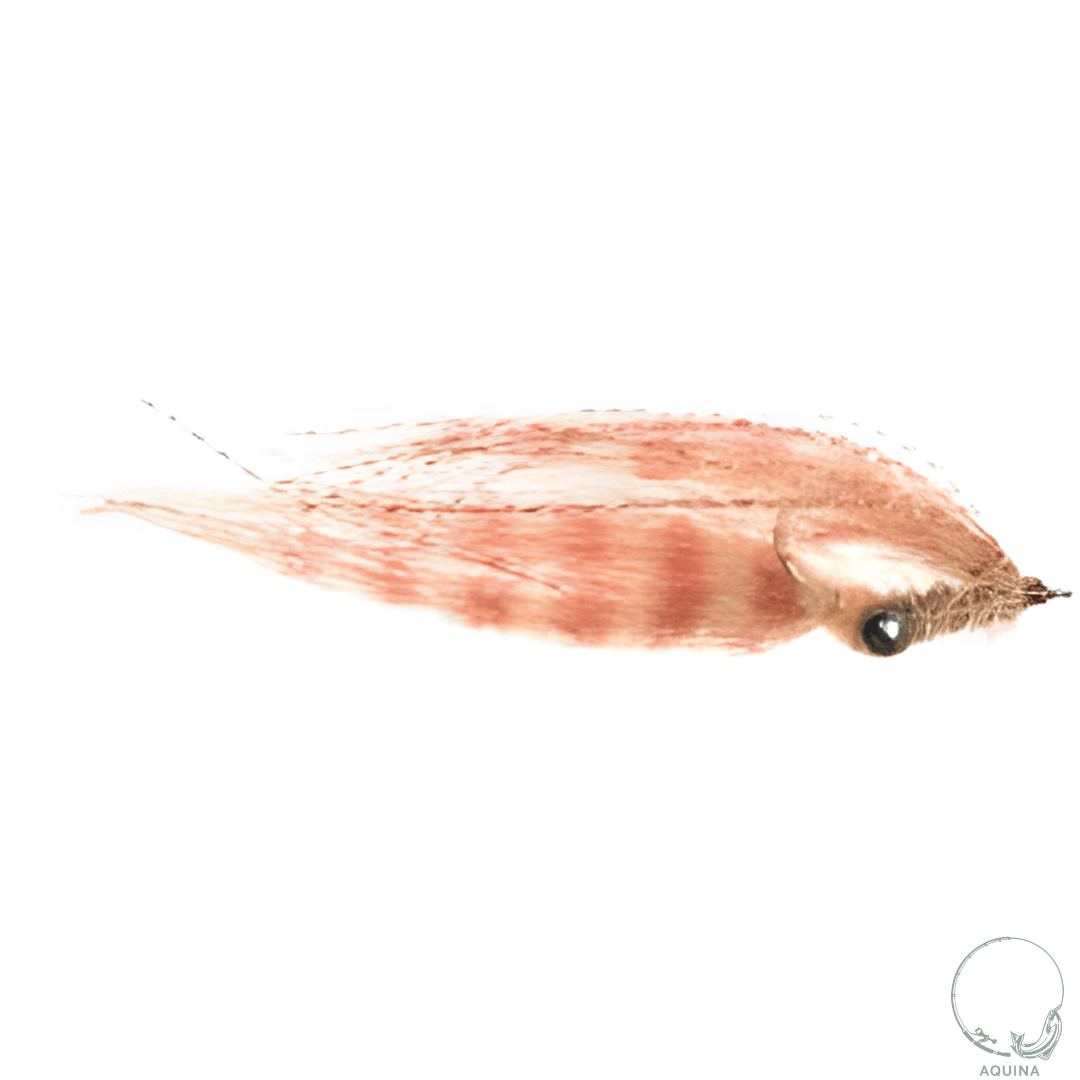
1. Crafty Shrimp
Crafty Shrimp Key Features
- Nicknamed "Redfish Crack" for consistent effectiveness
- Available in bead-chain and lead-eye weight options
- Large, realistic brown shrimp profile with soft landing characteristics
- Hook-point-up design suitable for grass flats
Crafty Shrimp Ideal Conditions
The Crafty Shrimp excels in saltier sea-grass filled estuaries where brown shrimp populations thrive. Lead-eyed versions perform exceptionally well when targeting fish in deeper channels and drops, while bead-chain options suit shallower flats where subtle presentations matter. The pattern works across varying water depths, making it adaptable to changing tide conditions. Water clarity doesn't significantly impact its effectiveness, allowing anglers to fish this pattern confidently in both clear and stained water.
Crafty Shrimp Best Season
This pattern produces results year-round in every fishing condition, making it one of the most reliable flies for redfish. The brown shrimp imitation matches natural forage across all seasons, eliminating the need to switch patterns based on time of year.
Crafty Shrimp Recommended Size
Size #2 hooks provide optimal profile and hook-setting capability for most redfish applications.
Crafty Shrimp Rigging & Presentation
When redfish tail in skinny water, place the fly directly on their nose and allow it to drop naturally. Prepare to set the hook immediately upon detecting a take. If the fish shows no reaction, begin stripping to trigger an aggressive response. The variable weight options allow anglers to adjust sink rates according to water depth and feeding behavior.
How Crafty Shrimp Works
The pattern imitates brown shrimp that redfish actively hunt in coastal estuaries. Its realistic profile triggers strikes from multiple species, including bonefish, permit, and snook around mangroves. The design balances visibility with natural presentation, landing softly to avoid spooking fish while maintaining enough bulk to attract attention.
2. RIO'S HOPEDALE CRAB

Hopedale Crab Key Features
- Developed by RIO Products for targeting redfish in shallow marsh environments
- Realistic crab profile with compact, wide body shape
- Rubber legs extend from sides to create subtle movement
- Weighted eyes ensure proper bottom orientation and quick descent
- Equipped with weed guard for fishing in heavy grass and structure
- Designed to land softly while maintaining bottom contact
Hopedale Crab Ideal Conditions
Shallow marsh flats, muddy bottoms, and grassy shorelines provide ideal environments for this pattern. The weighted design allows the fly to settle quickly where crab-feeding redfish search for prey. Weed guard protection allows effective presentation around oyster beds, grass, and submerged structure without snagging.
Hopedale Crab Best Season
Crab patterns produce consistent results year-round, with peak effectiveness during flood tides and warmer months when crabs remain highly active. Redfish feeding in marsh systems respond aggressively when crabs become exposed in shallow water.
Hopedale Crab Recommended Size
Hook sizes typically range from #4 to #1/0, with size #2 providing optimal balance between profile and presentation for most redfish applications.
Hopedale Crab Rigging & Presentation
Cast ahead of cruising or tailing fish and allow the fly to sink completely to the bottom. Use slow, short strips to imitate natural crab movement. Pause frequently to allow rubber legs to move subtly while the fly remains in feeding position near the substrate.
How Hopedale Crab Works
The weighted eyes position the fly in a natural crab stance while rubber legs produce subtle motion even when stationary. The compact body profile and bottom-oriented presentation closely resemble defensive crabs, triggering feeding responses from redfish actively searching along the substrate.
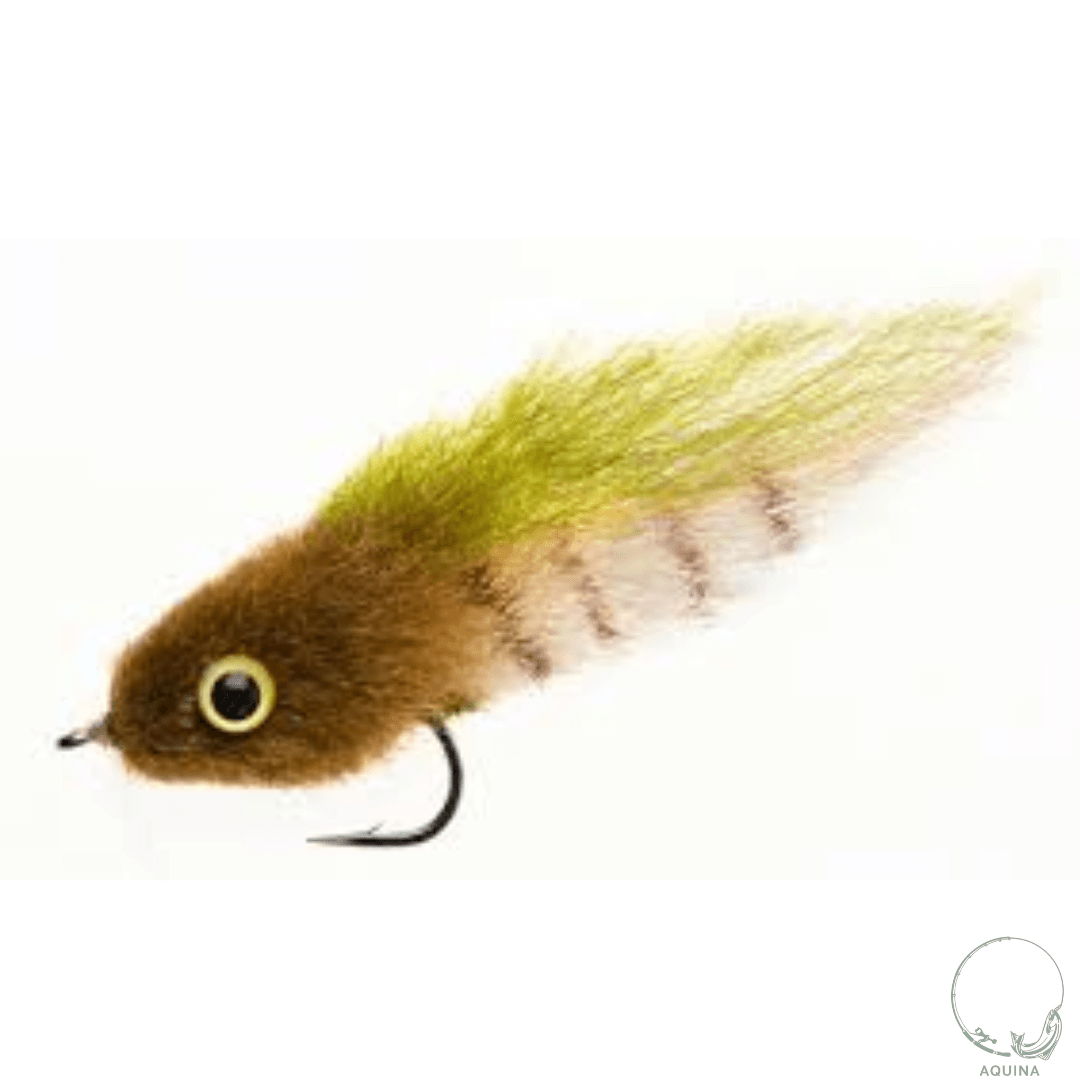
3. Everglades Special
Everglades Special Key Features
- Tied on 2/0 hook, approximately 3.5 inches in length
- Legendary Everglades color scheme proven across decades
- Monofilament weedguard (removable if desired)
- High-riding profile with soft water entry
Everglades Special Ideal Conditions
This pattern performs exceptionally well in clear water environments where visibility allows redfish to thoroughly inspect prey. Backcountry fishing around mangroves represents prime habitat for deploying this fly. The weedguard enables casting tight to structure where snook and redfish hide without constant fouling. While designed for shallow flats, the pattern adapts to various depth ranges. Clear water conditions in particular showcase this fly's realistic profile, making it effective when fish have time to examine offerings closely.
Everglades Special Best Season
Colder months produce optimal results when shrimp and crab populations decline. The baitfish imitation fills the gap during periods when crustaceans become less available. However, the pattern maintains effectiveness year-round across Everglades waters, with August through February representing peak redfish activity periods.
Everglades Special Recommended Size
The standard 2/0 hook and 3.5-inch length match prevalent baitfish sizes in backcountry waters.
Everglades Special Rigging & Presentation
Strip the fly with varied cadences to imitate fleeing baitfish. The soft landing characteristic prevents spooking fish in skinny water. Due to its high-riding design, the pattern works effectively in the upper water column, maintaining visibility to feeding redfish. Pauses between strips allow the fly to suspend naturally.
How Everglades Special Works
The realistic baitfish profile triggers strikes from redfish hunting mullet and other juvenile fish. Its construction creates lifelike movement while the famous Everglades coloration has proven effective across multiple saltwater species for decades.
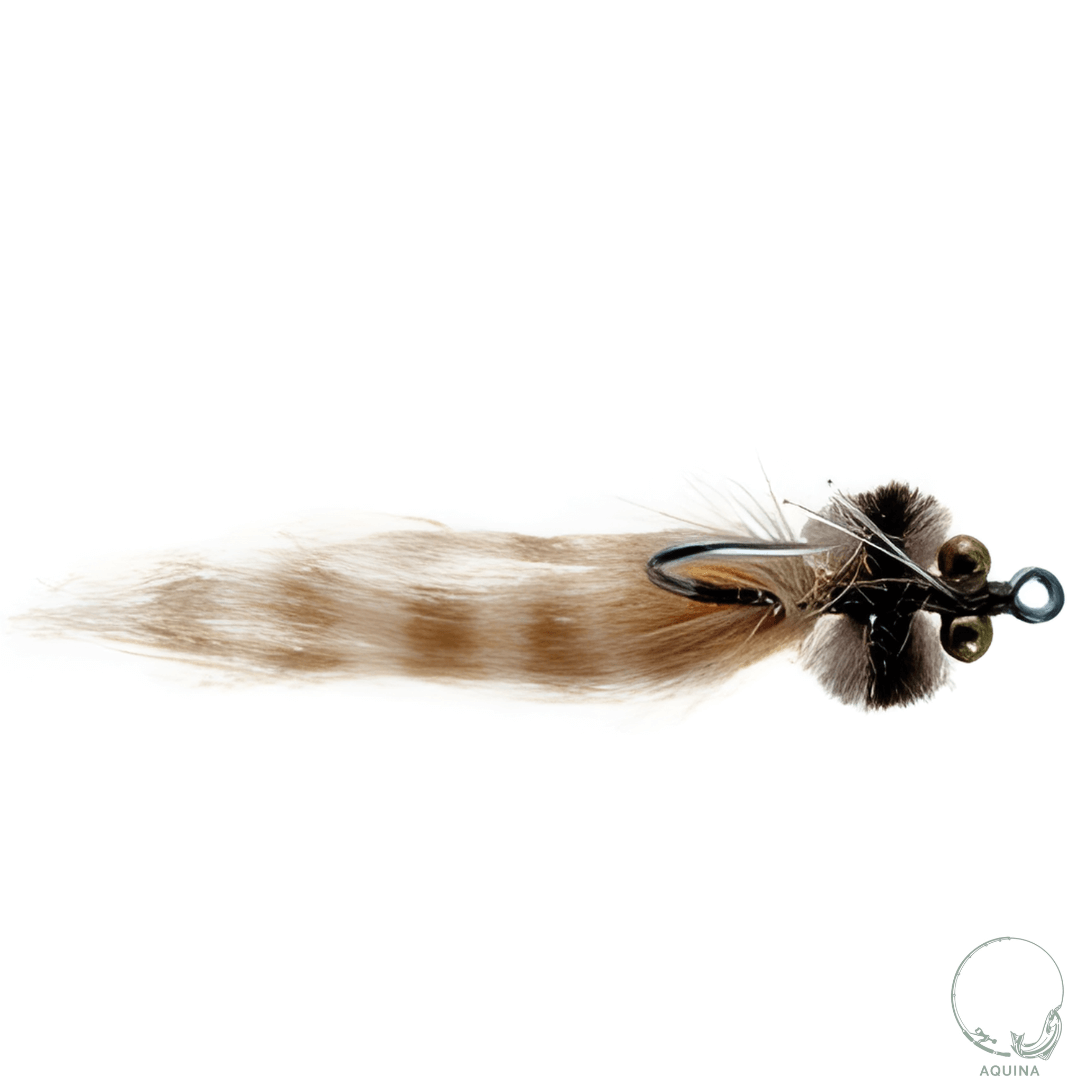
4. Kwan Slider Fly
Kwan Key Features
- Originally developed for bonefish, adapted successfully for redfish
- Also referred to as "Redfish Toad" in coastal circles
- Craft Fur tail with flash accent and small attractor hot spot
- Palmered hackle collar with segmented yarn or EP fiber body
- Adjustable weight options: bead chain eyes or lead dumbbell eyes
Kwan Ideal Conditions
Shallow water sight fishing represents the primary application where this pattern excels. The lightweight construction lands softly without alerting spooky fish, while maintaining castability across long distances. Anglers fishing mid-water column scenarios benefit from bead chain eye versions that sink slowly rather than dropping to bottom structure. Alternatively, bottom-feeding situations call for lead dumbbell eye substitutions. Adding 10-12 wraps of lead wire behind bead chain eyes provides intermediate sink rates when conditions require faster descent.
Kwan Best Season
This multi-purpose pattern produces year-round results. Winter applications prove particularly effective when redfish nose down on mud flats and warm potholes. Tan, rust, and olive colorations in 2-3 inch lengths match cold water forage.
Kwan Recommended Size
Hooks ranging from #2 to #6 cover most redfish applications. Size #2 provides standard profile for general use.
Kwan Rigging & Presentation
Cast slightly up-current and allow the fly to touch bottom. Execute two micro-twitches, then let it rest until the fish locates it. When retrieved quickly, the pattern flutters like a fleeing crustacean. Pausing the retrieve causes it to dive bottom-ward, imitating crab behavior. This dual-action retrieve adapts to fish mood and feeding behavior.
How Kwan Works
The ambiguous profile imitates shrimp, small baitfish, and crabs simultaneously. This versatility triggers strikes when redfish feed opportunistically rather than targeting specific prey.
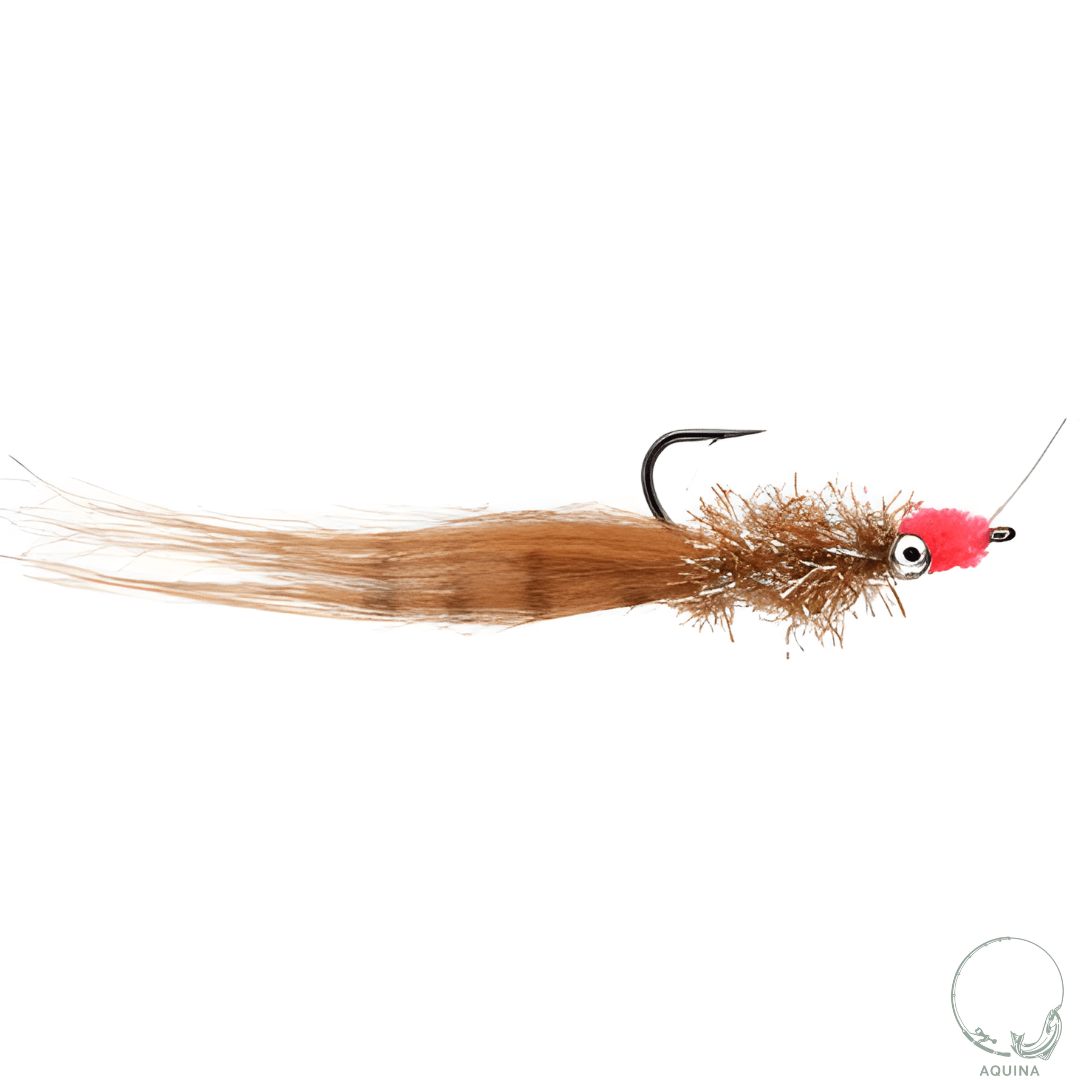
5. Razmataz
Razmataz Key Features
- Distinctive rootbeer body with bright red head and copper flash tail
- Tied with synthetic materials for lightweight construction and water shedding
- Available in bead chain eyes or lead dumbbell eyes
- Weed guard provides snag-free fishing
- Standard 2-inch length on Size 2 hook
Razmataz Ideal Conditions
Low tide flats produce exceptional results where this pattern shines. Dirty water conditions represent another prime application, as the bright red head maintains visibility when clarity drops. Bead chain eye versions deliver soft presentations for spooky fish in skinny water, while lead dumbbell options penetrate deeper columns. The pattern's geographic range extends from Carolina coast through Gulf waters, adapting to varied regional conditions.
Razmataz Best Season
Winter months feature this pattern prominently in redfish fly selections. The baitfish profile matches cold-water forage preferences when crustaceans become less active.
Razmataz Recommended Size
Size 2 hooks provide optimal proportions for redfish applications.
Razmataz Rigging & Presentation
Fast-sinking lead eye versions work when targeting bottom-oriented fish. Strip the fly to create minnow swimming action through the water column.
How Razmataz Works
The red nose mimics egg sacks that attract feeding redfish. Furthermore, the synthetic construction creates realistic swimming motion while maintaining durability across multiple catches.
6. Electric Chicken
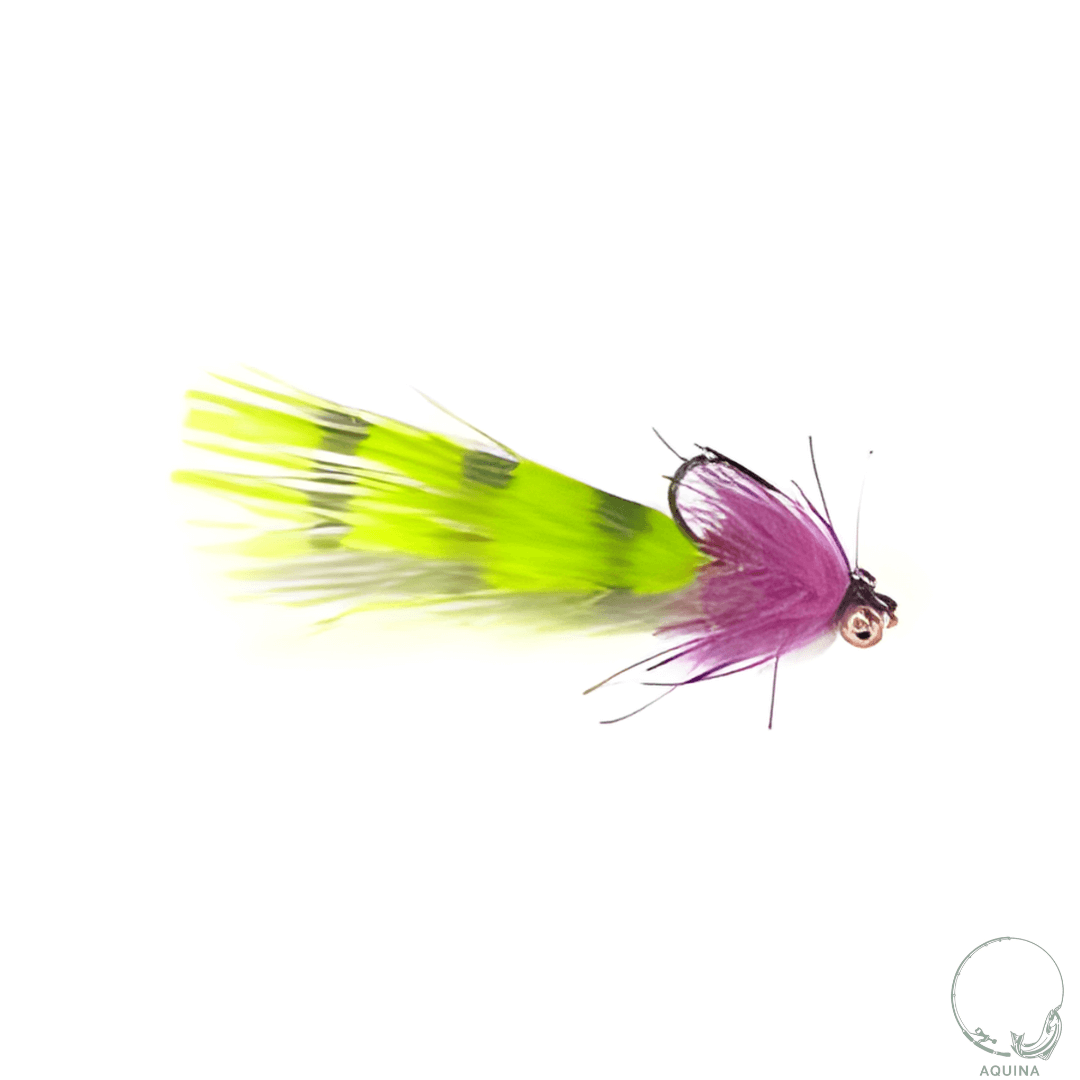
Electric Chicken Key Features
- Bright pink and chartreuse attractor pattern originally designed by Jack Brown
- Rabbit zonker tail with pink Estaz Grande body
- Bead chain or dumbbell eyes for weight adjustment
- Available in multiple color schemes: original pink/chartreuse, root beer, black/purple
- Heavy fluorocarbon weed guard included
- Sizes ranging from #6 to 3/0 hooks
Electric Chicken Ideal Conditions
Clearer water conditions allow this pattern to perform optimally. The bright colors and flash become ineffective in extremely muddy water where visibility drops significantly. Root beer variations suit clearer conditions, while pink or black/purple versions excel in darker water or low light. Low tide scenarios produce exceptional results. The pattern works effectively across varied depths when fish can see the offering.
Electric Chicken Best Season
Year-round effectiveness makes this a reliable choice across all seasons.
Electric Chicken Recommended Size
Hook sizes #2 through #6 cover most applications, with larger 3/0 options available for bigger profiles.
Electric Chicken Rigging & Presentation
Fish the fly slowly along bottom structure with a bumping action. This technique mimics natural prey movement and triggers instinct strikes. Stripping speed can be adjusted from slow methodical retrieves to faster presentations depending on fish response.
How Electric Chicken Works
This attractor pattern relies on bright colors, flash, and movement rather than exact forage imitation. The flowing rabbit tail combined with fuzzy chenille creates irresistible jigging motion. When a cast lands slightly off-target in clearer water, fish spot the pattern and approach aggressively.
7. Magnetic Minnow

Magnetic Minnow Key Features
- Compact baitfish profile with lifelike minnow silhouette
- Weighted eyes for natural swimming angle and quick sink
- Synthetic body materials for durability and subtle flash
- Hook-point-up orientation for snag-free presentations
Magnetic Minnow Ideal Conditions
Shallow to moderate depth flats and channels where baitfish forage. Effective in clear or lightly stained water where redfish actively chase small prey.
Magnetic Minnow Best Season
Year-round effectiveness, particularly productive during warmer months when baitfish are abundant near surface and mid-depth.
Magnetic Minnow Recommended Size
Hook sizes #2 to 1/0, with size #1 optimal for typical redfish flats presentations.
Magnetic Minnow Rigging & Presentation
Cast ahead of cruising fish and use short, steady strips to mimic fleeing baitfish. Pause occasionally to allow natural suspension and maintain lifelike swimming action.
How Magnetic Minnow Works
Weighted eyes and compact synthetic body create a natural swimming motion. Subtle flash from body materials attracts attention, while hook-point-up design ensures the fly rides correctly through grass, sand, or shallow flats without snagging.
8. Clouser Minnow

Clouser Minnow Key Features
- Dumbbell eyes create hook-point-up orientation and jigging action
- Available in sizes #6 to 2/0 for inshore applications
- Sparse bucktail or synthetic construction with minimal flash
Clouser Minnow Ideal Conditions
Chartreuse and white versions excel in Tampa Bay waters. Burnt orange-and-gold or black-and-gold variations prove effective for marsh fishing. The hook-up design allows anglers to tick bottom around grass, shell, or rock without constantly snagging. Analogous to metal jigs, the weighted eyes perform across varying depths from shallow flats to deeper channels.
Clouser Minnow Best Season
Year-round effectiveness makes this one of the most reliable saltwater patterns regardless of seasonal changes.
Clouser Minnow Recommended Size
Sizes 2-6 cover most redfish situations, with size 2-1/0 handling typical marsh and flats applications.
Clouser Minnow Rigging & Presentation
Execute a strip-strip-pause retrieve. The pause triggers strikes as the fly nose-dives from dumbbell weight. Speed adjustments match fish activity, from slow methodical strips for tailing redfish to faster retrieves for aggressive feeders.
How Clouser Minnow Works
The jigging drop created by weighted eyes mimics struggling baitfish. Moreover, the sparse profile sinks faster and moves more naturally than bulky patterns.
9. Scotty D's Drum Beater
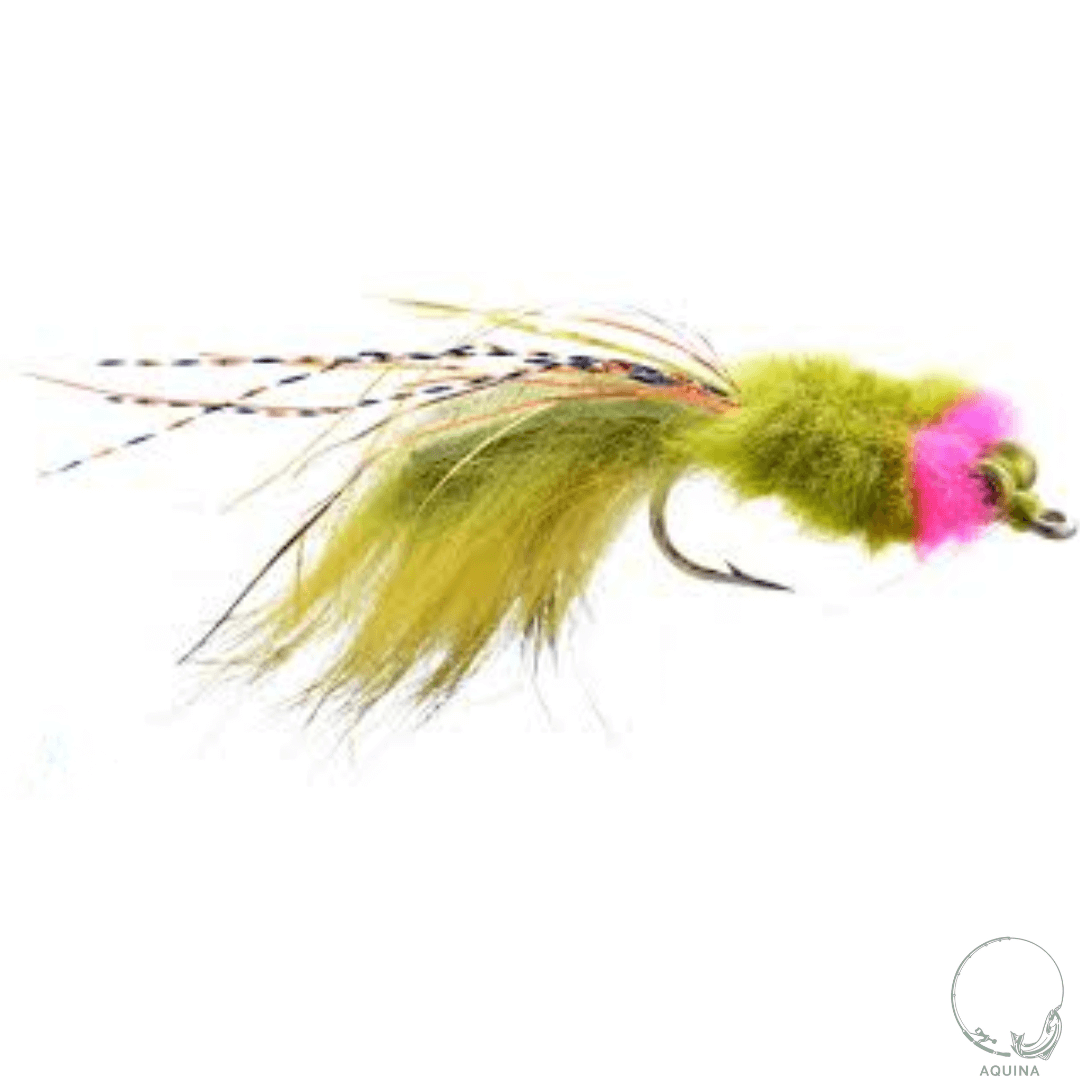
Scotty D's Drum Beater Key Features
- Designed primarily for redfish, effective on sea trout, flounder, smallmouth bass
- Rabbit strip tail creates movement while stationary on bottom
- Original olive and pink color scheme matches Spartina grass with attention-grabbing contrast
- Sculpin wool body retains water for superior sink rate
- Heavy weed guards for flood tide grass penetration
- Flash tied underneath shows only during rabbit movement
Scotty D's Drum Beater Ideal Conditions
Flood tide situations represent the absolute must-have scenario for this pattern. The design excels when redfish push into shallow grass-filled zones where fiddler crabs hide rather than flee. Low country applications produce exceptional results across Carolina coast waters. Lead eyes ensure the fly sits firmly on bottom structure rather than floating.
Scotty D's Drum Beater Best Season
Year-round effectiveness makes this pattern reliable across all seasons, with particular success during flood tide periods when redfish access marsh zones.
Scotty D's Drum Beater Recommended Size
Size 2 hooks with small to medium lead eyes provide optimal bottom contact. Black and purple combinations offer alternatives to classic olive and pink.
Scotty D's Drum Beater Rigging & Presentation
Unlike typical retrieves, do not strip this fly for tailing redfish. Cast in the path of approaching fish, allow it to settle completely, then let the rabbit tail work independently. Small twitches grab attention if needed, then stop movement and watch for the fish to tail up before setting the hook.
How Scotty D's Drum Beater Works
The pattern imitates fiddler crabs using camouflage defense rather than escape. Rabbit strips breathe underwater naturally while the fly remains motionless, mimicking a crab attempting to burrow into bottom substrate.
10. Boyles' Swamp Fox
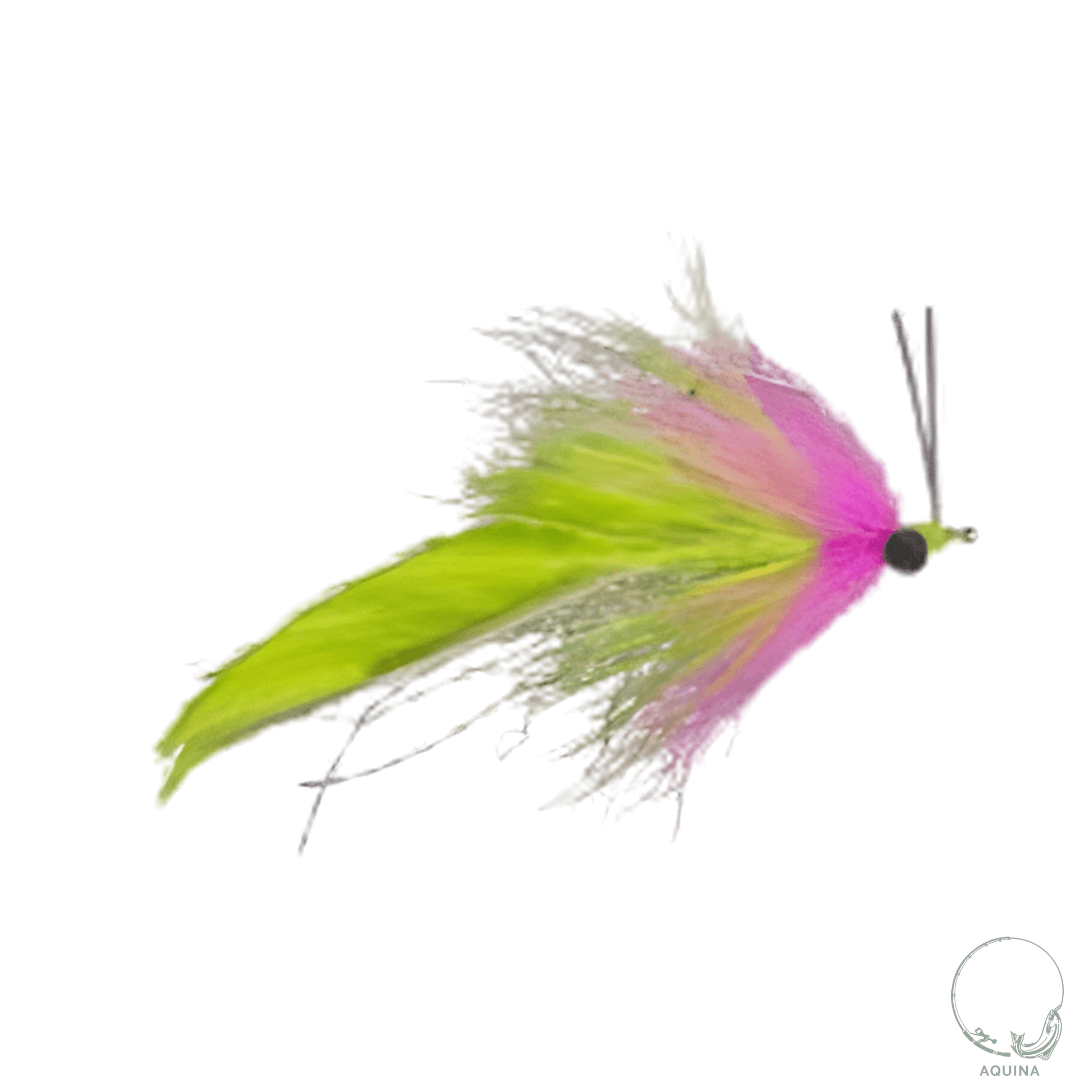
Boyles' Swamp Fox Key Features
- Designed by South Carolina guide Josh Boyles for redfish hunting
- Marabou tail with synthetic body construction
- Heavy dumbbell eyes for rapid descent
- Robust weed guard handles thick marsh grass
- Lands softly while sinking quickly to strike zone
- Works on black drum and sheepshead
Boyles' Swamp Fox Ideal Conditions
Stained or muddy water found in swamps and marshes represents optimal habitat for this pattern. Cast near grass lines or oyster bars where fish feed actively. Low tide periods produce exceptional results when redfish crawl bottom structure searching for shrimp. The weed guard allows anglers to throw into tight spots where big redfish hide. Bulkier head construction pushes more water, making it easier for fish to locate in dirty water.
Boyles' Swamp Fox Best Season
Spring and summer months feature this fly prominently. Year-round effectiveness makes it reliable across all seasons.
Boyles' Swamp Fox Recommended Size
Hook size 1 provides standard proportions. Bead chain eyes offer alternative weighting options when tying custom versions.
Boyles' Swamp Fox Rigging & Presentation
Let the fly sink to bottom structure, then use short, erratic strips to mimic a shrimp darting for cover. The pattern works perfectly for sight casting to tailing fish in skinny water.
How Boyles' Swamp Fox Works
This pattern mimics grass shrimp or small baitfish found in salt marshes. Purple variations excel in low-light conditions or very dirty water, while lighter colors suit clearer shallows. Electric chicken color combinations prove particularly effective.
11. EP Spawning Shrimp

EP Spawning Shrimp Key Features
- Overlooked redfish fly pattern with exceptional effectiveness
- Translucent construction mimics spawning shrimp profile
- Materials include Arctic Fox Fur, EP Shrimp Dub Brush, dumbbell or mono eyes
- Hook-up design with relatively slow sink rate
- Versatile across bonefish, permit, and redfish applications
EP Spawning Shrimp Ideal Conditions
Clear and low water conditions represent prime scenarios where this smaller profile pattern excels. The translucent appearance works effectively over grass flats 2 feet or deeper. Geographic effectiveness spans from Carolinas down to Texas Coast. The pattern's realistic profile performs well during sight fishing situations on flats.
EP Spawning Shrimp Best Season
Outgoing tide periods produce optimal results as shrimp get swept from shallows. Early morning, late afternoon, or overcast days increase effectiveness when low light makes fish less cautious.
EP Spawning Shrimp Recommended Size
Sizes 4 and 6 suit most redfish applications. For big bull reds, size 1/0 with lead eyes delivers necessary weight.
EP Spawning Shrimp Rigging & Presentation
Cast ahead of cruising fish, allowing the fly to sink to appropriate depth. Execute short, quick strips mimicking darting shrimp motion. Focus casts near rocks, grass beds, and mangroves where predatory fish patrol.
How EP Spawning Shrimp Works
The sight of shrimp popping over sea grass tops proves irresistible to feeding redfish. Translucency combined with lifelike movement creates realistic presentations that trigger strikes consistently.
12. Fools Gold
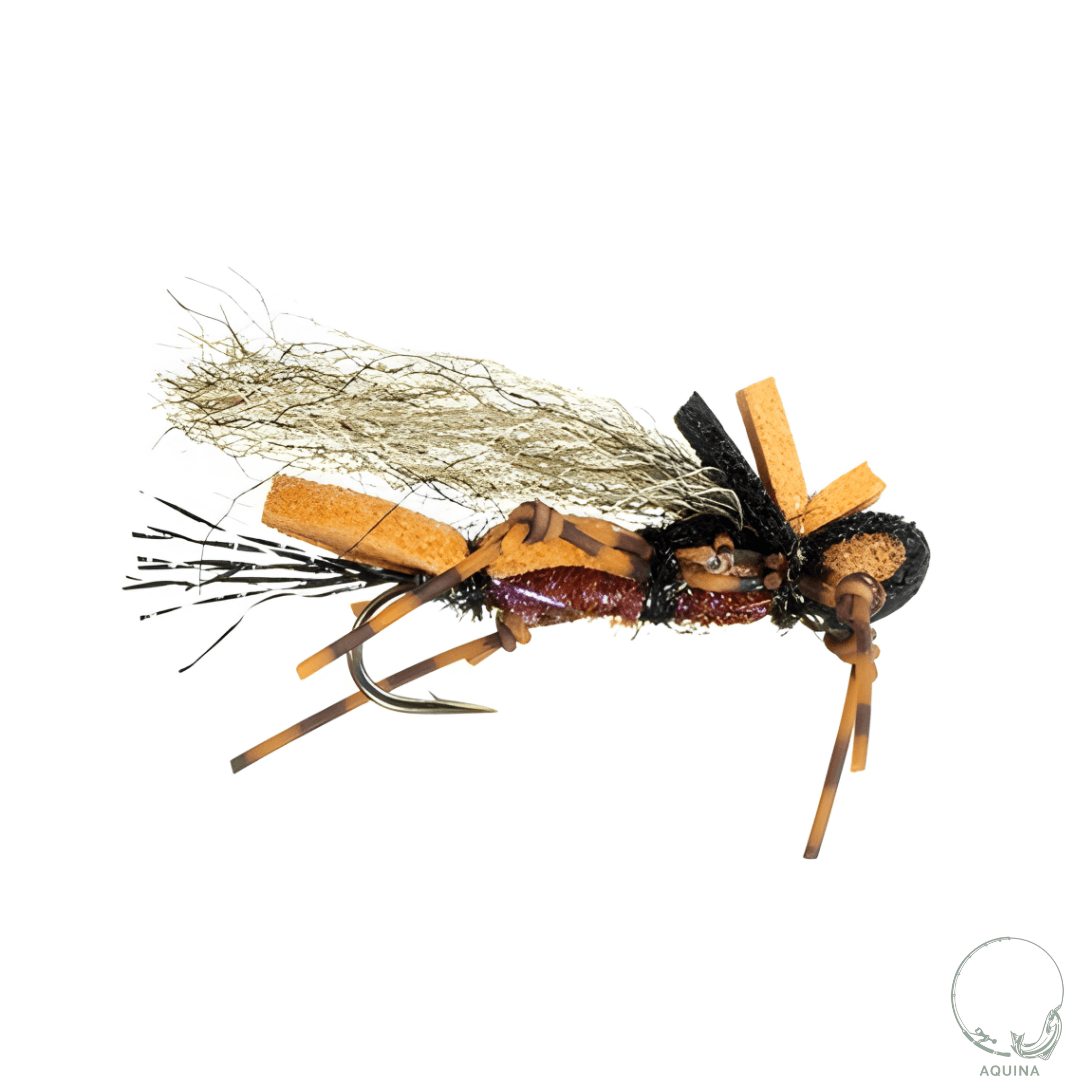
Fools Gold Key Features
- Created by fly fishing guide Johnny Miller for sightcasting redfish
- Small crab pattern specifically designed for tailing fish
- Gold body with raccoon tail providing contrasting colors
- Long tail with gold flash accent
- Lead or dumbbell eyes for quick bottom descent
- Lightweight construction delivers soft presentation
Fools Gold Ideal Conditions
Shallow water tailing scenarios represent this pattern's specialty. Unlike larger crab flies, the compact profile suits spooky fish feeding in skinny flats. Flood tides produce exceptional results when redfish push into marsh areas. The soft landing characteristic prevents alerting cautious tailers, while sufficient weight ensures the fly reaches bottom quickly.
Fools Gold Best Season
This pattern performs year-round, with flood tide periods offering peak opportunities regardless of season.
Fools Gold Recommended Size
Small sizes maintain the subtle profile that selective tailing redfish prefer.
Fools Gold Rigging & Presentation
Cast the fly out and allow it to sink completely. Execute short, measured strips along the bottom to mimic crab movement. The lightweight design combined with movement and flash attracts attention without overwhelming cautious fish.
How Fools Gold Works
The pattern imitates small crabs scuttling across bottom structure. Gold flash and raccoon tail create visual triggers, while the compact size appears non-threatening to wary tailers.
13. Kinky Muddler

Kinky Muddler Key Features
- Developed by Johnny King as evolved Muddler Minnow pattern
- Kinky Fiber and Angel Hair create bulky translucent head
- Bucktail undertail with saddle hackle providing mullet movement
- Light baitfish pattern with big profile
- Famous for catching large redfish
- Short-shank hooks maintain proper baitfish proportions
Kinky Muddler Ideal Conditions
Low tide flats filled with finger mullet represent prime scenarios where this pattern excels. The bulky synthetic head pushes water while creating darting motion, making it effective for targeting redfish focused on cylindrical baits like mullet and mackerel. Heavy-wire hooks such as Owner Aki ensure proper tracking during fast strips, while lighter-wire options suit shallow backcountry presentations to largemouth bass or snook.
Kinky Muddler Best Season
Warmer months produce optimal results when redfish actively feed on finger mullet. Low tide periods create buffet-style feeding opportunities as baitfish concentrate in shallow areas.
Kinky Muddler Recommended Size
Sizes 1/0 through 4/0 cover most applications, with 2/0 hooks representing standard configurations.
Kinky Muddler Rigging & Presentation
Fast retrieves suit aggressive species like roosterfish, while slow presentations work for backcountry applications. The fat head and skinny tail design creates exaggerated swimming action.
How Kinky Muddler Works
Translucent Kinky Fiber mimics see-through characteristics of prey species, while the rough-textured head generates currents that trigger strikes from striped bass, snook, and tarpon.
14. Fishalicious
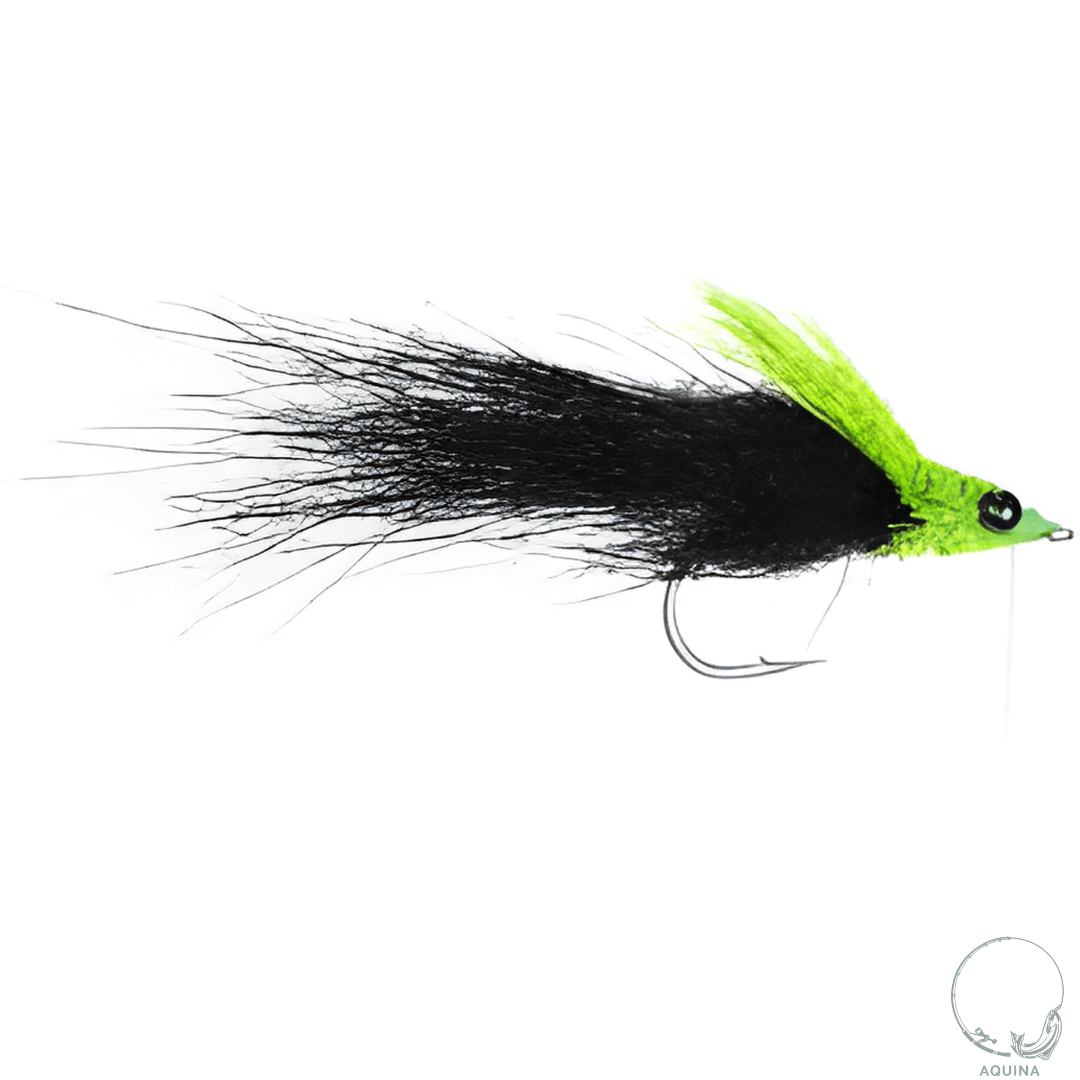
Fishalicious Key Features
- Spun deer hair head displaces water and suspends fly over grass
- Tied on Gamakatsu SL12S hook with prong-style mono weed guard
- Effective across multiple species: snook, redfish, trout, bass, small tarpon
- Available in chartreuse/black, olive/black, red/white color schemes
- Freshwater and saltwater streamer applications
Fishalicious Ideal Conditions
The deer hair head keeps this pattern high in the water column, perfect for baby tarpon in 2-3 feet of water. The subsurface presentation works exceptionally well for actively feeding redfish. Plant-heavy waterbodies benefit from the mono weed guard construction. Darker olive/black variations perform well in muddy water situations, while the pattern creates substantial movement when fishing shallow water redfish.
Fishalicious Best Season
Year-round effectiveness makes this pattern reliable across all seasons, particularly during periods when redfish feed actively in shallows.
Fishalicious Recommended Size
Hook sizes range from #2 through 2/0, with standard configurations suitable for most redfish applications.
Fishalicious Rigging & Presentation
Pause the fly over grass to allow the deer hair head to keep it suspended. The pattern pops and dives through the water column, creating action that attracts strikes.
How Fishalicious Works
The funky design combines deer hair buoyancy with subsurface presentation characteristics. Although not heavy, it generates considerable movement that triggers responses from feeding redfish.
15. Del Brown's Merkin
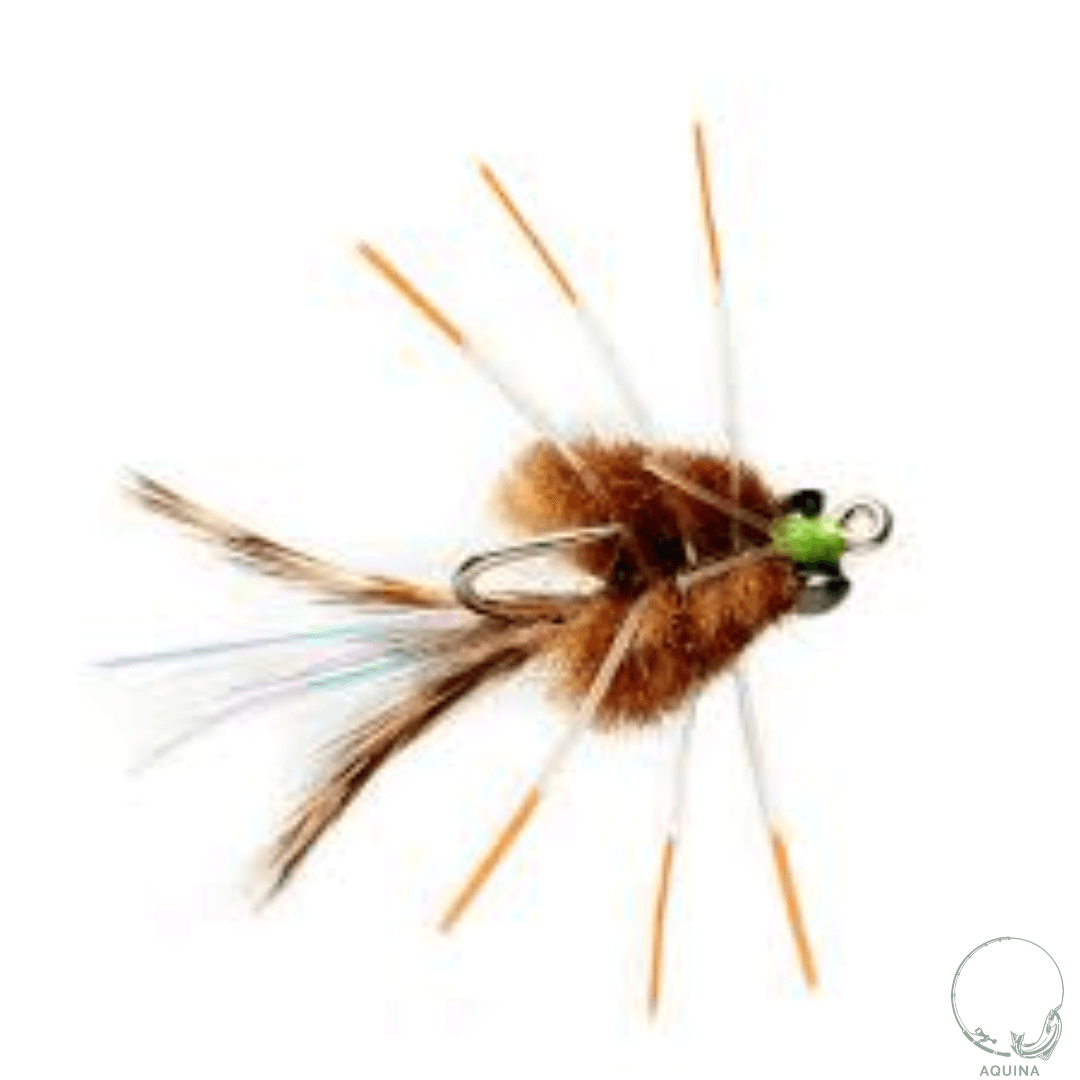
Del Brown's Merkin Key Features
- Rug yarn body trimmed square to hook shank with feather pincers
- White rubber legs tipped with red (original configuration)
- Lead or tungsten dumbbell eyes for proper drop rate
- Available in tan/brown, olive/brown, cream/tan color combinations
Del Brown's Merkin Ideal Conditions
This legendary permit pattern crosses over effectively for redfish on sandy flats and turtle grass environments. The design performs well across varying water clarity since the action matters more than appearance. Hook sizes ranging from #6 to 1/0 suit different depth scenarios.
Del Brown's Merkin Best Season
Year-round effectiveness makes this pattern reliable across all seasons when redfish target crabs.
Del Brown's Merkin Recommended Size
Sizes #6, #4, and #2 handle most redfish applications.
Del Brown's Merkin Rigging & Presentation
Cast close to fish, allowing them to see the fly dropping. Once it hits bottom, let it sit motionless. Strip no more than once if needed to gain attention. Accurate casting proves critical since redfish respond to the initial descent rather than retrieval.
How Del Brown's Merkin Works
The slanting crash dive mimics defensive crab behavior when threatened. Crabs drop instantly to bottom structure with claws up rather than attempting escape, and this fly replicates that survival response perfectly.
16. Dedeaux Popper
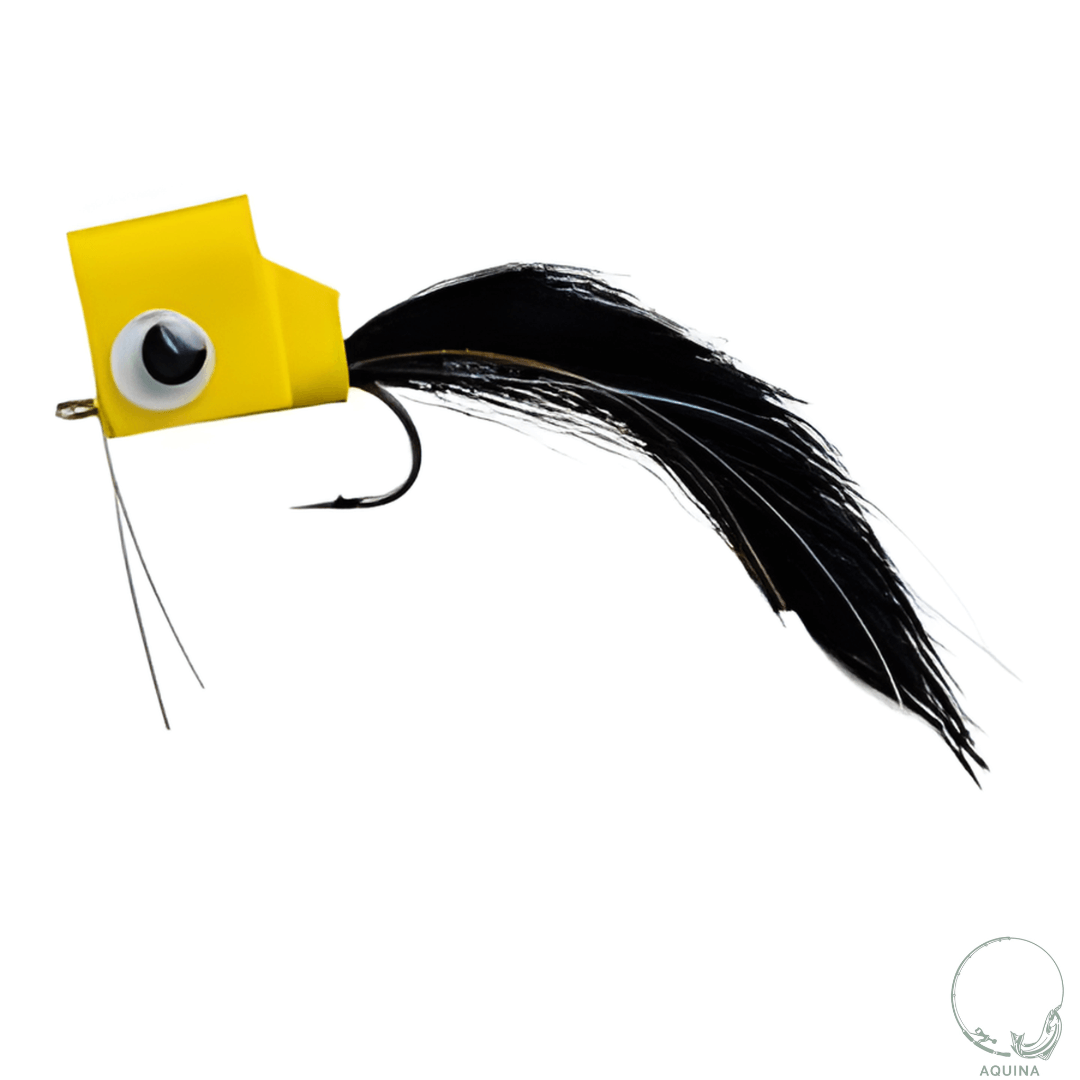
Dedeaux Popper Key Features
- Alvin Dedeaux's most famous fly pattern, inspired by chartreuse flip flop floating down Llano River
- Foam construction with glue assembly requiring minimal tying skills
- Also referred to as "Flip Flop Popper" due to material resemblance
- Built-in weedguard with saltwater hooks
- Favorite among Dedeaux's guides for bass and redfish
Dedeaux Popper Ideal Conditions
Evening hours represent the magic time for deploying this topwater pattern. The foam construction creates surface disturbance that attracts fish feeding in low-light conditions. Salt marsh environments with grass-filled zones benefit from the weedguard design, allowing anglers to work structure without fouling.
Dedeaux Popper Best Season
This topwater fly produces results across seasons when fish feed near the surface. Early morning sessions work well, though evening periods typically deliver superior action.
Dedeaux Popper Recommended Size
Size 2 handles saltwater and larger bass applications. Size 4 suits creek bass and panfish situations, providing scaled-down profiles for smaller targets.
Dedeaux Popper Rigging & Presentation
Pop the fly with sharp strips to create surface commotion. Pause between pops to allow ripples to dissipate, then repeat. The foam keeps the pattern floating high, maintaining visibility during presentations.
How Dedeaux Popper Works
Foam materials displace water while creating audible pops that trigger aggressive topwater strikes. The pattern's buoyancy combined with weedless design allows fishing tight to structure where big redfish ambush prey.
17. Seaducer
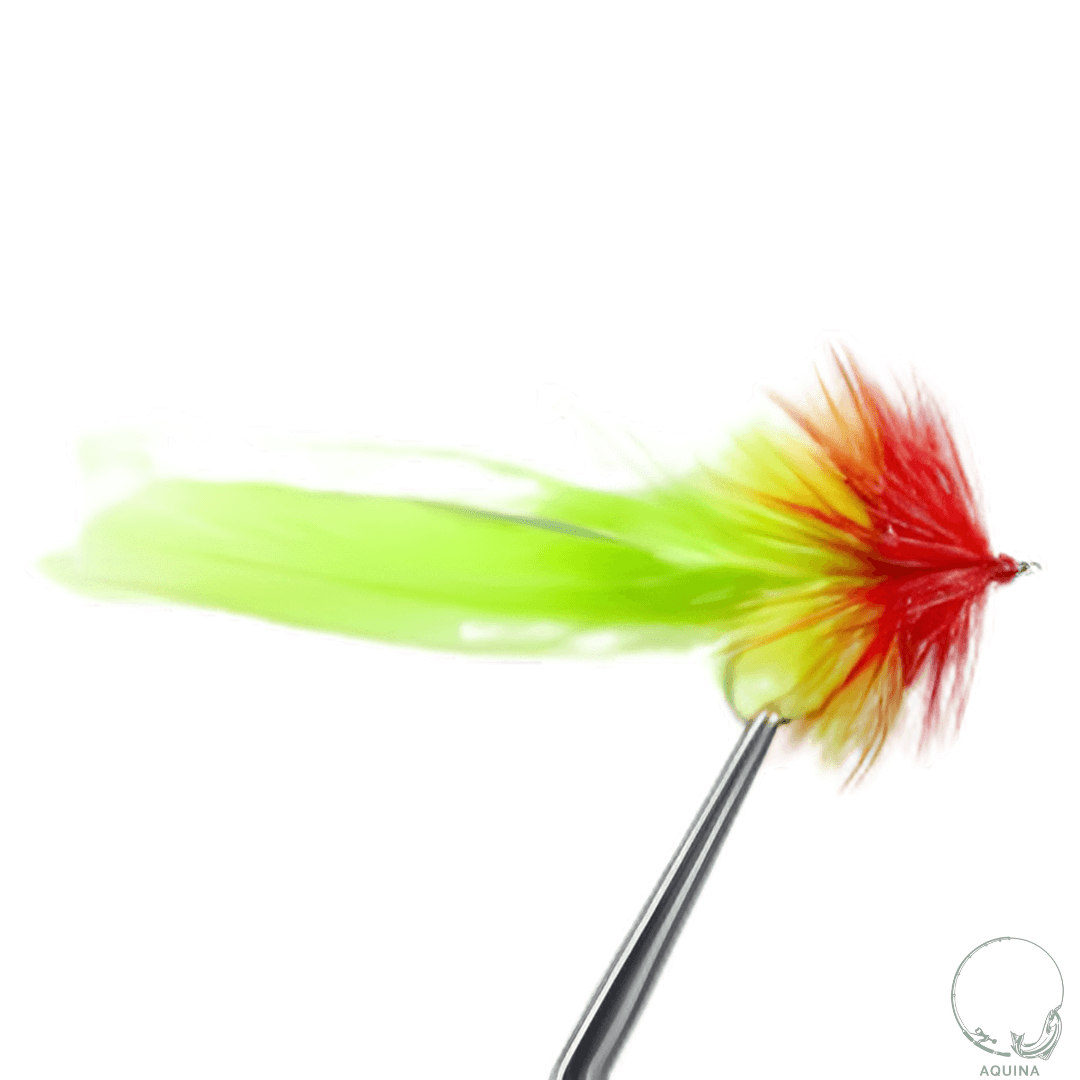
Seaducer Key Features
- Originally tied as tarpon fly, later popularized as redfish pattern by Chico Fernandez
- Created by commercial snook fisherman Homer Rhodes in 1940s
- Tail constructed from 3-6 pairs of hackle feathers
- Heavily palmered body with two or more colors
- Lands softly with nearly neutral buoyancy
- Available weighted or unweighted for depth control
Seaducer Ideal Conditions
Shallow water environments benefit from unweighted versions that land delicately without spooking fish. The near-neutral buoyancy allows working the pattern slowly over sea-grass beds. When combined with sink-tip or full-sink lines, unweighted Seaducers fish various depths by controlling retrieve speed. Weighted versions suit deeper applications with sinking lines.
Seaducer Best Season
Winter redfish respond well to dark Seaducers over mud. The pattern maintains effectiveness year-round across seasons.
Seaducer Recommended Size
Hook sizes range from #2 to 4/0 depending on target species. Size 3/0 suits bull redfish in Texas waters.
Seaducer Rigging & Presentation
Execute strip-strip-pause retrieves along shorelines, under docks, and over weedbeds. The heavily oversized palmering creates action even during slow retrieves. Black and purple versions work for cruising bull reds in 1-2 feet of water.
How Seaducer Works
The hackle tail flexes and pulses during retrieves while palmered head creates bow wake attracting fish attention. Heavy hackle suspends the fly, allowing it to hover where bulls can see it without digging through grass.
18. Gartside Gurgler
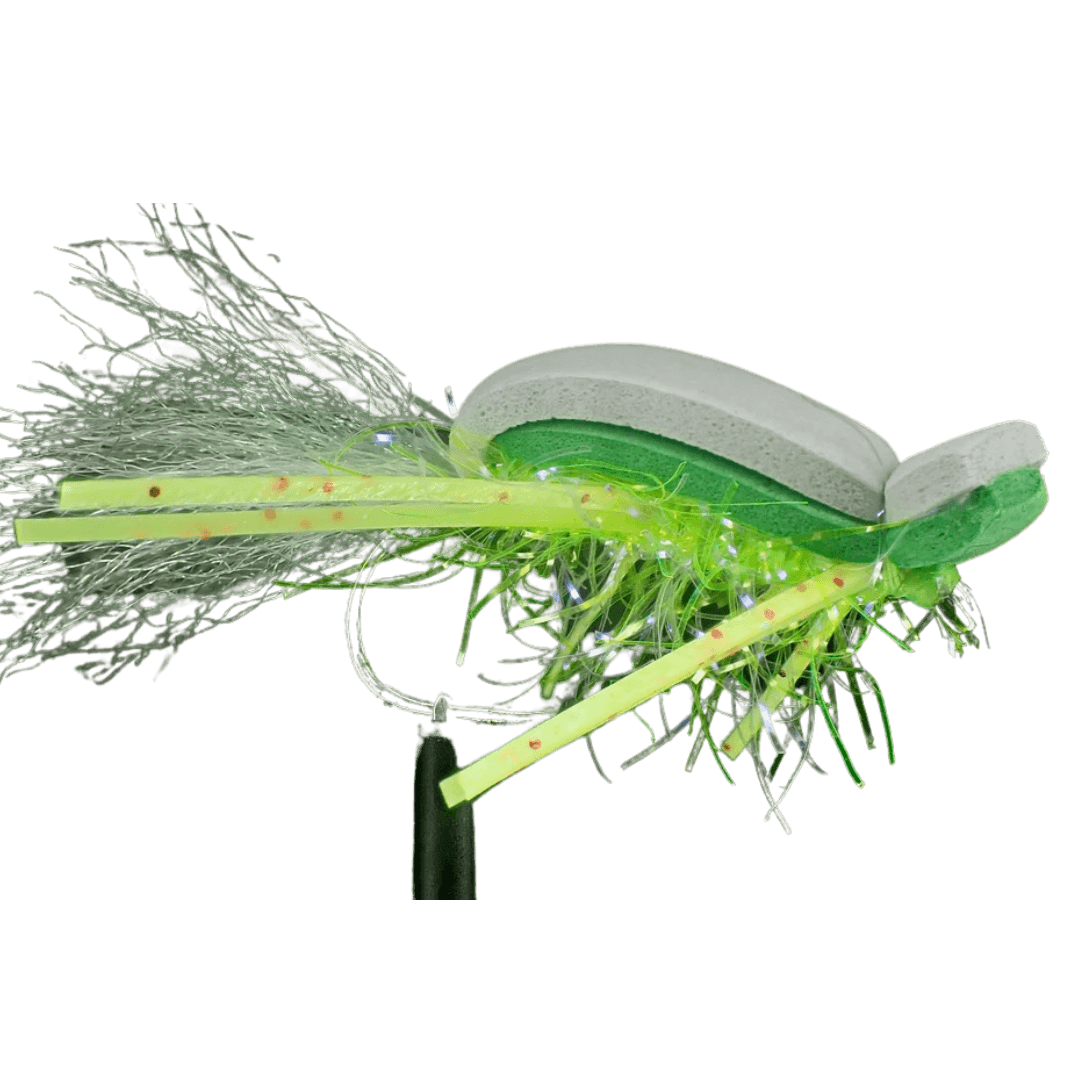
Gartside Gurgler Key Features
- Designed by legendary fly tier Jack Gartside as a surface-disturbing foam fly
- Foam strip folded over the back to form a buoyant floating lip and back
- Tail constructed from bucktail, marabou, or synthetic fibers for movement
- Body typically formed from chenille, dubbing, or wrapped synthetic materials
- Foam lip produces subtle popping and surface disturbance during retrieve
- Naturally floats high while maintaining stability during stripping retrieves
Gartside Gurgler Ideal Conditions
Calm to lightly choppy shallow water allows the foam lip to create visible surface disturbance. The floating design performs effectively over grass flats, sandbars, and shorelines. The fly remains on the surface during slow retrieves, making it effective where fish focus upward. It also works effectively around structure such as mangroves and dock edges.
Gartside Gurgler Best Season
Warm seasons increase surface feeding activity, making the pattern highly effective during spring and summer. Early morning and evening periods enhance visibility and surface response. The fly remains productive year-round in environments where surface feeding occurs consistently.
Gartside Gurgler Recommended Size
Hook sizes range from #6 to 2/0 depending on application and conditions. Smaller sizes suit calm, clear water presentations, while larger sizes increase visibility and disturbance in rougher surface conditions.
Gartside Gurgler Rigging & Presentation
Use floating fly lines with steady strip-pause retrieves to produce popping and surface movement. Short strips create subtle disturbance, while longer strips increase splash and wake. Present near shoreline cover, grass edges, and structure. Allow pauses between strips to let the foam head keep the fly floating naturally.
How Gartside Gurgler Works
The folded foam lip pushes water forward and creates surface disturbance during retrieves. The buoyant foam keeps the fly floating while the tail fibers move naturally behind it. This combination produces visible surface motion and subtle vibration, allowing the fly to remain suspended and easily noticed from below.
19. Morrill's Redfish Nugget
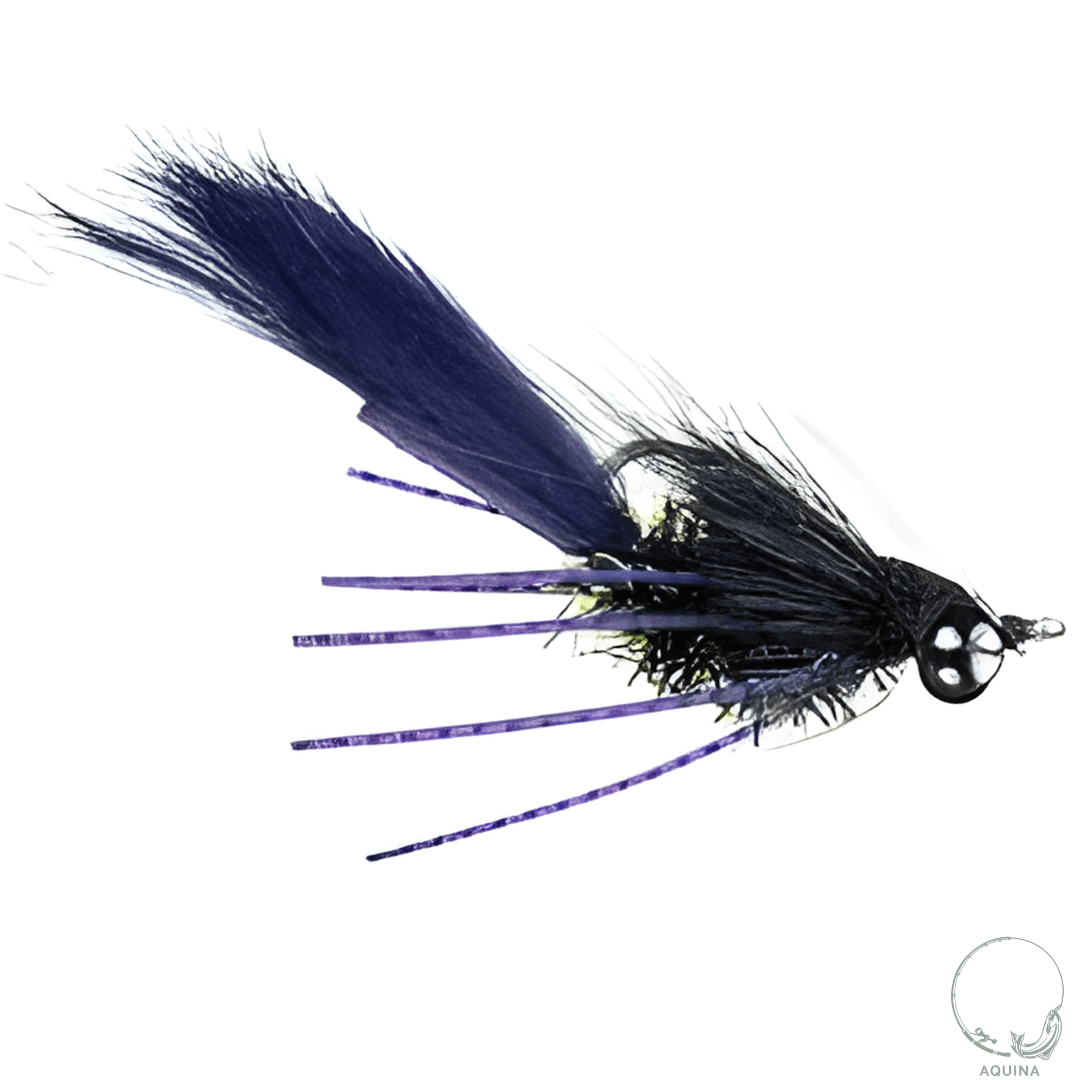
Morrill’s Redfish Nugget Key Features
- Compact shrimp-crab hybrid profile designed specifically for redfish feeding behavior
- Craft fur and synthetic fibers create lifelike movement even when stationary
- Weighted eyes provide proper bottom orientation and controlled sink rate
- Weed guard protects hook when fishing grass flats and marsh structure
- Dense, rounded body produces realistic crustacean silhouette
- Durable construction maintains profile after repeated strikes
Morrill’s Redfish Nugget Ideal Conditions
Shallow marsh flats, grass beds, and muddy estuaries provide ideal environments for this fly. The weighted design allows it to settle naturally where redfish feed along the bottom. Its weedless configuration makes it highly effective around oyster bars, submerged grass, and shoreline structure in clear or stained water.
Morrill’s Redfish Nugget Best Season
Year-round effectiveness makes this one of the most reliable redfish flies available. Peak performance occurs during warmer months and flood tide periods when shrimp and small crabs become more accessible in shallow feeding zones.
Morrill’s Redfish Nugget Recommended Size
Hook sizes #4 to #1/0, with size #2 representing the most versatile and commonly used option for redfish across most flats and marsh environments.
Morrill’s Redfish Nugget Rigging & Presentation
Cast ahead of cruising or tailing redfish and allow the fly to sink completely to the bottom. Use slow, short strips combined with frequent pauses to imitate natural shrimp or crab movement. Present near grass edges, marsh pockets, and shallow feeding lanes where redfish actively search for crustaceans.
How Morrill’s Redfish Nugget Works
The compact, weighted body allows the fly to drop quickly into the redfish feeding zone while maintaining a natural defensive posture. Subtle fiber movement and realistic crustacean shape trigger feeding instincts, making it highly effective for sight fishing and shallow water presentations where precision and realism are critical.
20. Joe Dirt

Joe Dirt Key Features
- Shrimp-crab hybrid profile designed for shallow water redfish applications
- Rabbit strip claws and synthetic fibers create constant lifelike movement
- Weighted dumbbell or bead chain eyes provide controlled sink rate
- Weed guard protects hook in grass, oysters, and marsh structure
- Compact body shape maintains realistic bottom-dwelling silhouette
- Natural color blends match common marsh forage species
Joe Dirt Ideal Conditions
Shallow marsh flats, muddy bottoms, and grass-filled estuaries provide optimal conditions. The weighted design allows the fly to settle naturally into the redfish feeding zone. Weedless construction enables effective presentations around oyster bars, shoreline grass, and submerged structure in clear or stained water.
Joe Dirt Best Season
Highly effective year-round, with peak performance during warmer months and flood tide conditions when redfish actively forage on shrimp and small crabs in shallow water environments.
Joe Dirt Recommended Size
Hook sizes #4 to #1/0, with size #2 providing the most consistent performance across typical redfish flats and marsh conditions.
Joe Dirt Rigging & Presentation
Cast ahead of tailing or cruising redfish and allow the fly to sink completely to the bottom. Use slow, deliberate strips with frequent pauses to imitate natural crustacean movement. Present along grass edges, marsh drains, and shallow feeding lanes where redfish actively search for prey.
How Joe Dirt Works
The weighted eyes position the fly naturally on the bottom while rabbit and synthetic fibers create subtle movement even when stationary. The realistic crustacean profile and lifelike motion trigger feeding responses from redfish actively hunting along marsh bottoms and shallow flats.
21. Beech's Grim Reaper
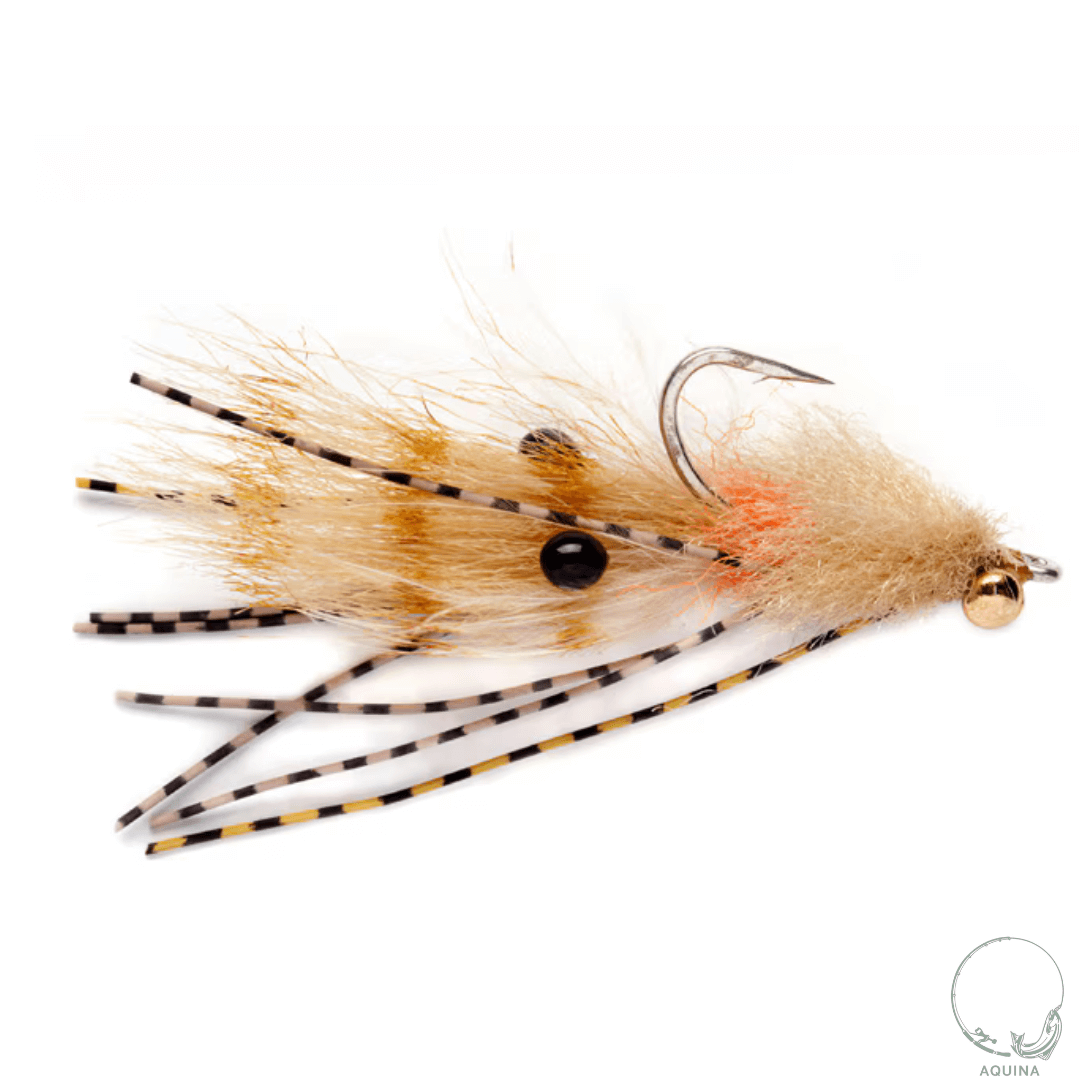
Beech’s Grim Reaper Key Features
- Slim baitfish profile designed for targeting predatory redfish in shallow water
- Synthetic fiber body creates lifelike swimming motion and subtle flash
- Weighted eyes provide natural jigging action and controlled sink rate
- Hook-point-up orientation reduces snagging in grass and structure
- Flowing tail materials produce continuous movement during retrieves
- Durable construction maintains shape after repeated strikes
Beech’s Grim Reaper Ideal Conditions
Shallow grass flats, marsh edges, and sandy bottoms provide optimal environments for this pattern. The weighted design allows precise depth control while maintaining natural swimming action. Effective in clear and stained water where redfish actively pursue baitfish near structure and open feeding lanes.
Beech’s Grim Reaper Best Season
Highly effective year-round, with peak performance during warmer months when baitfish populations increase and redfish actively hunt in shallow coastal environments.
Beech’s Grim Reaper Recommended Size
Hook sizes #4 to #1/0, with size #2 providing the most versatile option for most redfish flats and marsh fishing scenarios.
Beech’s Grim Reaper Rigging & Presentation
Cast ahead of cruising redfish and allow the fly to sink briefly before retrieving. Use steady strips combined with occasional pauses to imitate fleeing baitfish. Present along grass edges, sand pockets, and marsh channels where redfish actively hunt moving prey.
How Beech’s Grim Reaper Works
Weighted eyes create a natural jigging motion that imitates injured baitfish behavior. The slim profile and flowing synthetic fibers produce realistic swimming movement, triggering aggressive strikes from redfish feeding in shallow water and coastal marsh systems.
22. Baby Tarpon Shrimp

Baby Tarpon Shrimp Key Features
- Realistic shrimp profile designed for shallow water saltwater predators
- Craft fur and synthetic fibers create lifelike tail and leg movement
- Weighted eyes provide controlled sink rate and natural bottom posture
- Hook-point-up orientation improves weedless performance in grass flats
- Subtle flash materials increase visibility without overpowering profile
- Durable construction maintains effectiveness through repeated use
Baby Tarpon Shrimp Ideal Conditions
Shallow grass flats, sandy bottoms, and marsh edges provide optimal fishing environments. The weighted design allows the fly to settle naturally into feeding zones where redfish search for shrimp. Effective in clear and lightly stained water where natural presentation and subtle movement improve strike response.
Baby Tarpon Shrimp Best Season
Highly effective year-round, with peak productivity during warmer months and flood tides when shrimp activity increases and redfish feed aggressively in shallow water.
Baby Tarpon Shrimp Recommended Size
Hook sizes #6 to #2, with size #4 providing the most balanced profile for redfish flats fishing.
Baby Tarpon Shrimp Rigging & Presentation
Cast ahead of tailing or cruising redfish and allow the fly to sink completely to the bottom. Use short, quick strips followed by pauses to imitate shrimp darting and settling naturally. Present near grass edges, shallow depressions, and feeding lanes.
How Baby Tarpon Shrimp Works
Weighted eyes position the fly in a natural shrimp stance while soft fibers create lifelike movement even during pauses. The realistic profile and subtle flash closely imitate natural shrimp, triggering feeding responses from redfish actively foraging along shallow flats and marsh bottoms.
23. Bone Snack Crab

Bone Snack Crab Key Features
- Compact crab profile designed to imitate small bottom-dwelling crustaceans
- Rubber legs and synthetic fibers create subtle lifelike movement
- Weighted eyes ensure correct bottom orientation and rapid descent
- Hook-point-up design improves weedless performance in grass and structure
- Low-profile body maintains realistic defensive crab silhouette
- Durable materials withstand repeated strikes and harsh saltwater use
Bone Snack Crab Ideal Conditions
Shallow grass flats, sandy bottoms, and marsh environments provide optimal conditions for this crab pattern. The weighted design allows the fly to reach feeding zones quickly while maintaining a natural bottom posture. Effective in clear and stained water where redfish actively search for crabs near structure and grass edges.
Bone Snack Crab Best Season
Highly productive year-round, with peak effectiveness during warmer months and flood tides when crab activity increases and redfish focus heavily on crustacean forage.
Bone Snack Crab Recommended Size
Hook sizes #6 to #2, with size #4 providing the most versatile option for most redfish flats and marsh fishing scenarios.
Bone Snack Crab Rigging & Presentation
Cast ahead of tailing or cruising redfish and allow the fly to sink completely to the bottom. Use slow, short strips with pauses to imitate natural crab movement. Present near grass edges, sand pockets, and shallow feeding areas.
How Bone Snack Crab Works
Weighted eyes position the fly in a natural crab stance while rubber legs create subtle movement even when stationary. The compact profile and realistic posture closely imitate defensive crabs, triggering feeding responses from redfish actively searching along the bottom.
24. Bonefish Crazy Charlie
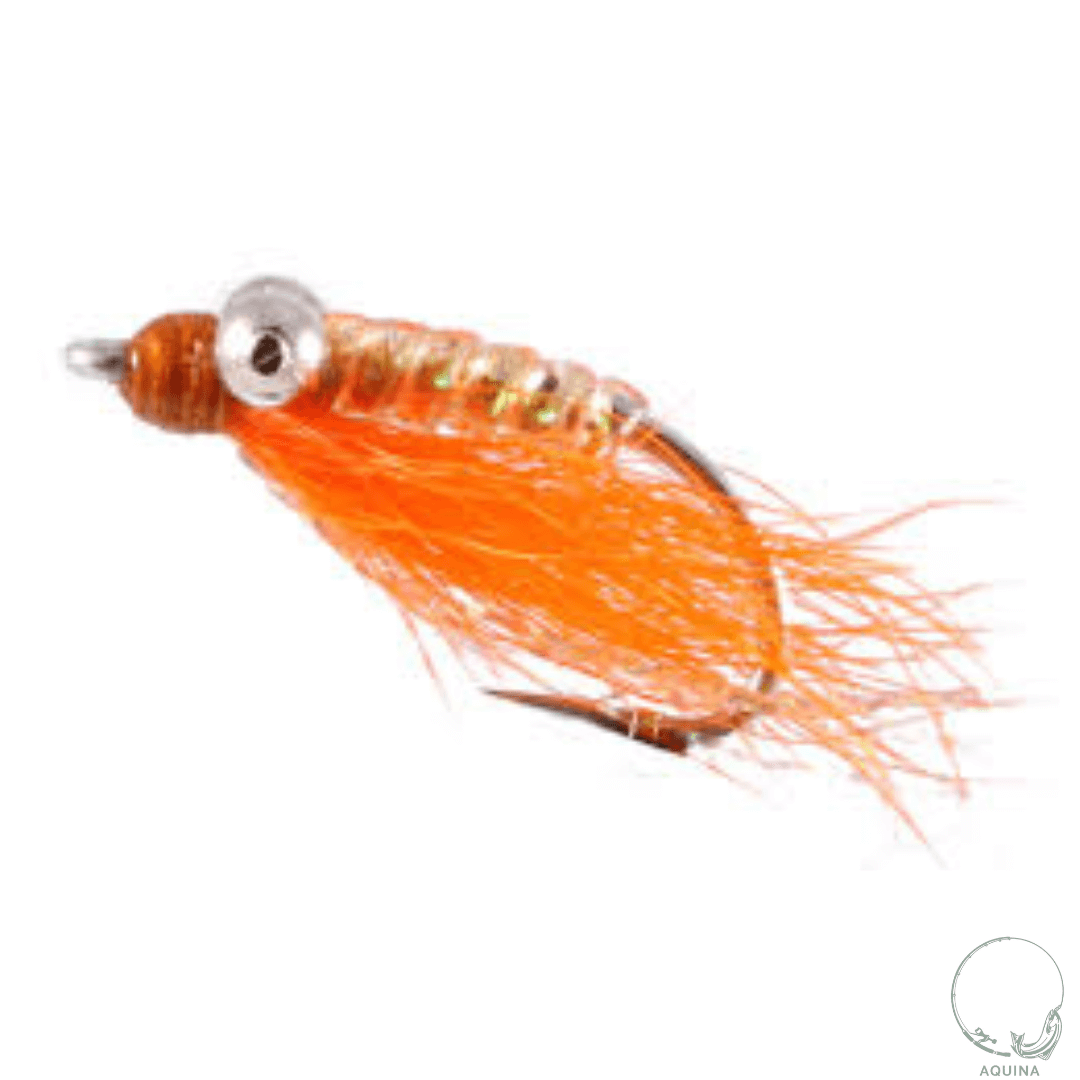
Bonefish Crazy Charlie Key Features
- Slim shrimp profile designed to imitate small translucent crustaceans
- Bead chain eyes provide gentle sink rate and natural presentation
- Pearl and synthetic body materials create subtle flash and realism
- Hook-point-up orientation improves weedless performance in shallow flats
- Lightweight construction allows soft landing in shallow water
- Durable materials maintain profile through repeated use
Bonefish Crazy Charlie Ideal Conditions
Shallow flats, sandy bottoms, and grass edges provide optimal environments for this fly. The lightweight design allows delicate presentations without spooking fish. Effective in clear and lightly stained water where redfish actively feed on small shrimp and crustaceans.
Bonefish Crazy Charlie Best Season
Highly effective year-round, with peak productivity during warmer months when shrimp populations increase and redfish feed actively in shallow water.
Bonefish Crazy Charlie Recommended Size
Hook sizes #6 to #2, with size #4 providing the most effective balance for redfish flats fishing applications.
Bonefish Crazy Charlie Rigging & Presentation
Cast ahead of cruising redfish and allow the fly to sink naturally to the bottom. Use short, gentle strips followed by pauses to imitate shrimp darting and settling. Present along sand pockets, grass flats, and shallow feeding zones.
How Bonefish Crazy Charlie Works
Bead chain eyes position the fly naturally while the slim translucent body closely imitates shrimp. Subtle flash and lifelike movement trigger feeding responses from redfish actively searching for small crustaceans along shallow flats and coastal environments.
25. Improved Crazy Charlie

Improved Crazy Charlie Key Features
- Enhanced shrimp profile with more defined body and realistic silhouette
- Bead chain or small dumbbell eyes for controlled sink rate
- Synthetic wing materials improve movement and durability
- Hook-point-up orientation reduces snagging in grass flats
- Subtle flash elements increase visibility in varying water clarity
- Reinforced tying structure improves long-term performance
Improved Crazy Charlie Ideal Conditions
Shallow flats, sandy bottoms, and marsh edges provide ideal environments for this fly. The balanced weight allows precise presentations while maintaining natural shrimp movement. Effective in clear and lightly stained water where redfish actively forage on small crustaceans.
Improved Crazy Charlie Best Season
Highly effective year-round, with peak performance during warmer months when shrimp activity increases and redfish feed aggressively in shallow water.
Improved Crazy Charlie Recommended Size
Hook sizes #6 to #2, with size #4 providing the most consistent results for redfish flats fishing.
Improved Crazy Charlie Rigging & Presentation
Cast ahead of cruising or tailing redfish and allow the fly to sink naturally to the bottom. Use short, gentle strips combined with pauses to imitate shrimp darting and settling. Present along grass edges, shallow flats, and sandy feeding zones.
How Improved Crazy Charlie Works
The weighted eyes position the fly naturally on the bottom while synthetic wing materials create lifelike shrimp movement. The enhanced body profile and subtle flash closely imitate natural crustaceans, triggering feeding responses from redfish actively searching shallow flats.
26. Dustin's Destroyer

Dustin’s Destroyer Key Features
- Shrimp-crab hybrid profile designed specifically for shallow water redfish
- Craft fur and synthetic fibers create constant lifelike movement
- Weighted eyes provide controlled sink rate and proper bottom orientation
- Hook-point-up design improves weedless performance in grass flats
- Subtle flash materials increase visibility in clear and stained water
- Compact body shape maintains realistic crustacean silhouette
Dustin’s Destroyer Ideal Conditions
Shallow marsh flats, grass beds, and muddy estuaries provide optimal fishing environments. The weighted design allows the fly to settle quickly into feeding zones where redfish forage along the bottom. Weedless construction allows effective presentations around oyster bars, shoreline grass, and submerged structure.
Dustin’s Destroyer Best Season
Highly effective year-round, with peak productivity during warmer months and flood tide conditions when shrimp and crab activity increases in shallow marsh environments.
Dustin’s Destroyer Recommended Size
Hook sizes #4 to #1/0, with size #2 providing the most versatile and reliable option for redfish flats fishing.
Dustin’s Destroyer Rigging & Presentation
Cast ahead of tailing or cruising redfish and allow the fly to sink completely to the bottom. Use slow, short strips with frequent pauses to imitate natural shrimp or crab movement. Present near grass edges, marsh drains, and shallow feeding lanes.
How Dustin’s Destroyer Works
Weighted eyes position the fly naturally on the bottom while soft fibers and flash materials create subtle lifelike motion. The realistic crustacean profile and defensive posture trigger feeding instincts, making it highly effective in shallow marsh and flats environments.
27. Black and Purple

Black and Purple Key Features
- High-contrast color profile improves visibility in low-light and stained water
- Synthetic and natural fibers create flowing lifelike movement
- Weighted or unweighted options allow precise depth control
- Hook-point-up orientation improves weedless performance in grass flats
- Slim baitfish or crustacean silhouette matches common redfish forage
- Durable construction maintains profile after repeated strikes
Black and Purple Ideal Conditions
Stained water, muddy marshes, and low-visibility flats provide optimal environments for this pattern. The dark, high-contrast coloration improves detection where redfish rely more on silhouette than fine detail. Effective around grass edges, oyster bars, and shallow feeding zones.
Black and Purple Best Season
Highly effective year-round, with peak performance during winter months and low-light conditions when darker fly patterns create stronger silhouettes and improve strike visibility.
Black and Purple Recommended Size
Hook sizes #4 to #2/0, with size #1/0 providing excellent balance for most redfish flats and marsh applications.
Black and Purple Rigging & Presentation
Cast near structure, grass edges, or cruising fish and allow the fly to reach the desired depth. Use steady strips combined with pauses to create natural movement. Slow retrieves often produce the best results in stained or shallow water.
How Black and Purple Works
The dark silhouette creates strong visual contrast against lighter backgrounds, making the fly easier for redfish to locate. Flowing materials generate lifelike movement while the contrasting purple accents add visibility, triggering aggressive feeding responses in low-visibility environments.
Comparison Table
| Fly Pattern | Key Features | Ideal Conditions | Best Season | Recommended Size | Rigging & Presentation | |
|---|---|---|---|---|---|---|
| 1 | Crafty Shrimp |
Realistic shrimp profile • Hook-point-up design • Bead/lead eyes • Soft landing build |
Saltier grass flats and shallow estuaries | Year-round reliability | #2 | Present on nose of tailing fish and allow natural drop |
| 2 | Hopedale Crab |
• Realistic crab profile • Lifelike Rubber legs • Weighted eyes |
Shallow marsh flats, grassy shorelines. | Year-round reliability. | #2 | Crawl slowly on bottom with short strips and pauses |
| 3 | Everglades Special |
EP baitfish profile • High-riding design • Monofilament weedguard • Soft water entry |
Clear backcountry and mangrove edges | Late summer through winter | 2/0 | Strip with varied cadence and pause to suspend naturally |
| 4 | Kwan |
Craft fur tail • Palmered hackle collar • Adjustable weight • Multi-prey profile |
Shallow sight-fishing flats | Winter mud flats excel | #2 | Cast up-current, let sink, twitch lightly and pause |
| 5 | Razmataz |
Red head accent • Synthetic minnow body • Copper flash tail • Weedguard design |
Low tide dirty flats | Winter months strong | #2 | Strip steadily to imitate swimming baitfish |
| 6 | Electric Chicken |
Bright attractor colors • Rabbit zonker tail • Estaz body • Fluorocarbon weedguard |
Clear to lightly stained flats | Year-round effectiveness | #2 | Fish slowly along bottom with steady strips |
| 7 | Magnetic Minnow |
• Compact baitfish profile • Weighted eyes • Hook-point-up ride • Synthetic body for durability |
Shallow to moderate depth flats, clear to slightly stained flats. | Year-round producer | #2 to #6 | Use loop knot and strip with varied cadence |
| 8 | Clouser Minnow |
Dumbbell weighted eyes • Hook-point-up ride • Sparse bucktail body • Jigging action drop |
Grass, shell, and marsh bottoms | Year-round staple | #2 | Strip-strip-pause to trigger nose-diving action |
| 9 | Scotty D’s Drum Beater |
Rabbit strip tail • Sculpin wool body • Lead eye weight • Crab imitation stance |
Flooded shallow grass zones | Flood tide periods excel | #2 | Cast ahead and let sit with minimal movement |
| 10 | Boyles’ Swamp Fox |
Marabou tail • Heavy dumbbell eyes • Robust weedguard • Water-pushing head |
Stained marsh and oyster bars | Spring and summer peak | #1 | Let sink fully then use short erratic strips |
| 11 | EP Spawning Shrimp |
Translucent shrimp body • Slow sink rate • Hook-up orientation • EP fiber blend |
Clear shallow grass flats | Outgoing tides best | #4 | Cast ahead and use quick short strips |
| 12 | Fools Gold |
Gold crab body • Raccoon tail accent • Lead eyes • Compact profile |
Skinny water tailing fish | Flood tides peak | #4 | Allow full sink then short bottom strips |
| 13 | Kinky Muddler |
Kinky fiber head • Bucktail undertail • Bulky baitfish shape • Short-shank hook |
Low tide mullet flats | Warmer feeding months | 2/0 | Retrieve fast or slow to create darting swim |
| 14 | Fishalicious |
Spun deer hair head • Subsurface buoyancy • Prong weedguard • Multi-species profile |
Shallow grassy waterbodies | Year-round shallow action | #2 | Pause over grass then strip to pop and dive |
| 15 | Del Brown’s Merkin |
Square yarn body • Rubber crab legs • Lead dumbbell eyes • Defensive dive profile |
Sandy flats and turtle grass | Year-round crab feeding | #4 | Drop near fish and let sit motionless |
| 16 | Dedeaux Popper |
Foam popper body • Built-in weedguard • Loud surface disturbance • High buoyancy design |
Low-light marsh topwater | Evenings strongest | #2 | Pop sharply with pauses between strips |
| 17 | Seaducer |
Palmered hackle body • Hackle feather tail • Neutral buoyancy • Weighted options |
Shallow grass flats and shorelines | Winter and year-round use | 3/0 | Strip-pause retrieve allowing fly to hover |
| 18 | Gartside Gurgler |
Folded foam lip • Floating surface body • Bucktail fiber tail • Subtle popping action |
Calm shallow flats and structure edges | Spring and summer surface activity | 1/0 | Steady strips with pauses to create surface disturbance |
| 19 | Morrill’s Redfish Nugget |
Compact crab profile • Rubber legs movement • Weighted dumbbell eyes • Weedless hook orientation |
Shallow marsh flats and grass edges | Year-round effectiveness | #4 | Allow full sink and crawl slowly with short strips |
| 20 | Joe Dirt |
Shrimp-crab hybrid body • Craft fur tail • Weighted eye design • Natural bottom stance |
Shallow muddy marsh and grass flats | Spring through fall peak | #2 | Cast ahead of fish, let sink, twitch lightly and pause |
| 21 | Beech’s Grim Reaper |
Slim baitfish profile • Synthetic fiber body • Weighted eye balance • Weedless hook ride |
Grass flats and marsh shorelines | Warmer active months | #2 | Strip steadily with pauses to imitate fleeing baitfish |
| 22 | Baby Tarpon Shrimp |
Realistic shrimp body • Craft fur movement • Weighted eye sink rate • Natural shrimp posture |
Clear shallow flats and grass edges | Spring and summer peak | #4 | Allow full sink then twitch with short quick strips |
| 23 | Bone Snack Crab |
Compact crab shape • Rubber leg motion • Weighted bottom stance • Weedless hook orientation |
Skinny water grass flats | Flood tides strongest | #4 | Let sink fully and crawl slowly along bottom |
| 24 | Bonefish Crazy Charlie |
Slim shrimp profile • Bead chain eyes • Pearl flash body • Weedless hook ride |
Clear sand flats and shallow grass | Year-round performance | #4 | Cast ahead and retrieve with short subtle strips |
| 25 | Improved Crazy Charlie |
Enhanced shrimp body • Synthetic wing fibers • Weighted eye balance • Flash visibility accents |
Clear flats and marsh edges | Year-round effectiveness | #4 | Allow natural sink then twitch gently with pauses |
| 26 | Dustin’s Destroyer |
Shrimp-crab hybrid profile • Craft fur tail • Weighted eye orientation • Subtle flash accents |
Shallow marsh flats and oyster edges | Warmer feeding seasons | #2 | Cast ahead and retrieve slowly with short strips |
| 27 | Black and Purple |
High-contrast coloration • Flowing fiber tail • Weighted or unweighted build • Strong silhouette profile |
Dirty water and low-light flats | Winter and low-light peak | #1/0 | Slow strip retrieve with occasional pauses |
All things considered, building a comprehensive redfish fly box requires more than just one or two patterns. The 27 flies presented here cover the full spectrum of conditions anglers encounter, from flood tide grass flats to clear backcountry waters. Shrimp imitations like the Crafty Shrimp handle year-round applications, while crab patterns excel during flood tides. Baitfish profiles fill the gap when crustaceans become scarce.
Success ultimately depends on matching pattern selection to specific conditions rather than relying on a single favorite. Stock your box with various weights, profiles, and colors from this list. Experiment with different presentations until you discover which combinations work best in your local waters.
Conclusion
These 27 redfish fly patterns represent a complete arsenal spanning low tide reds to big Louisiana bulls. While each fly excels in specific scenarios, the real skill develops through adapting selections to water conditions encountered on any given day. Carrying multiple weight options, color schemes, and profile types allows quick adjustments when fish behavior shifts or environmental factors change.
Success in redfish fly fishing extends beyond simply owning these patterns. Observing water clarity, tide stages, and active forage determines which fly produces results. Consequently, anglers who study local conditions and adjust their approach consistently outperform those rigidly committed to single patterns.
For anglers targeting new waters, visiting local fly shops provides valuable regional knowledge. Staff members understand which patterns work best in specific zones, offering insights that generic advice cannot match. This local expertise proves particularly useful when selecting colors and sizes suited to regional baitfish populations.
The key remains simple: choose flies wisely without overthinking decisions. Start with proven patterns from this collection, observe fish responses, then refine selections based on actual results. Adaptation matters more than perfection. Stock your box with variety, fish confidently, and let the redfish tell you what works in your waters.
Key Takeaways
Master redfish fly fishing by understanding that success depends on matching specific patterns to water conditions, seasonal changes, and regional forage preferences rather than relying on one favorite fly.
- Stock diverse fly types: Carry shrimp imitations (Crafty Shrimp), crab patterns (Hopedale Crab), and baitfish profiles (Everglades Special) to match varying forage conditions.
- Match weight to water depth: Use bead-chain eyes for shallow presentations and lead dumbbell eyes for deeper channels or bottom-feeding scenarios.
- Adapt to seasonal patterns: Deploy crab flies during flood tides, shrimp patterns year-round, and baitfish imitations when crustaceans become scarce in colder months.
- Focus on presentation over perfection: Proper fly placement and retrieve technique matter more than having the "perfect" pattern - let fish behavior guide your approach.
- Leverage local expertise: Visit regional fly shops to understand which specific colors, sizes, and patterns work best in your target waters rather than relying on generic advice.
The most successful redfish anglers carry multiple weight options, color schemes, and profile types, allowing quick adjustments when fish behavior shifts or environmental conditions change throughout the day.
Faqs About Redfish fishing flies
What makes the Crafty Shrimp such an effective fly for redfish?
The Crafty Shrimp has earned the nickname "Redfish Crack" due to its consistent effectiveness across all seasons and water conditions. Its realistic brown shrimp profile with a soft landing characteristic makes it ideal for grass flats, while the hook-point-up design prevents snagging. Available in both bead-chain and lead-eye weight options, it can be adapted to different water depths, from shallow flats to deeper channels.
When is the best time to use crab patterns like the Kung Fu Crab?
Crab patterns excel during flood tide situations, particularly in fall when redfish push into shallow marsh grass areas. The Kung Fu Crab's heavy brass eyes allow it to sink quickly through shallow water to reach feeding zones, while its defensive claw positioning triggers predatory instincts. However, since crabs represent a consistent food source, these patterns remain effective year-round.
How should I adjust my fly selection based on water clarity?
In clear water, use realistic patterns like the Everglades Special or EP Spawning Shrimp that allow fish to thoroughly inspect the offering. For murky or stained water, opt for attractor patterns like the Electric Chicken or Boyles' Swamp Fox with bright colors and bulkier heads that push more water, making them easier for fish to locate through vibration and sound rather than sight.
What's the proper way to present a crab fly to tailing redfish?
When targeting tailing redfish with crab patterns like Del Brown's Merkin or Scotty D's Drum Beater, cast the fly in the path of approaching fish and allow it to settle completely on the bottom. Let it sit motionless, as the pattern mimics a crab using camouflage defense rather than fleeing. Watch for the fish to tip downward before setting the hook, and avoid excessive stripping.
Do I need different fly sizes for different seasons?
While many patterns work year-round, size adjustments can improve success rates. During colder months when shrimp and crab populations decline, smaller baitfish imitations in 2-3 inch lengths work well. Standard sizes like #2 hooks handle most general applications, but carrying a range from #6 to 2/0 allows you to match the prevalent forage size in your specific fishing location and conditions.