
Top 15 Egg Flies Every Fly Angler Should Carry
Egg Flies are some of the most exciting and effective tools in a fly angler’s arsenal, delivering consistent results even when other patterns fail to tempt trout. These protein-packed imitations are proven strike triggers, making them a must-have for both novice and experienced anglers. In this guide, we explore the top best 15 egg flies every fly angler should carry, detailing their best uses, colors, and techniques to maximize your trout fishing success.
During spawning events, rivers and streams are alive with thousands of eggs, creating irresistible feeding opportunities for hungry trout. Egg flies perform exceptionally well in slow-moving water, behind rocks, deep pools, and along gravel edges—prime spots where fish naturally gather. From winter through early spring, and even into fall during trout and steelhead spawning, these patterns remain a dependable choice for anglers seeking productive fishing days.
Thanks to modern materials and innovative designs, anglers now have access to highly realistic egg patterns in a wide range of colors and sizes, making egg fishing more effective than ever across diverse water conditions. Whether you’re targeting wild trout or stocked populations, including these essential patterns in your fly box can dramatically increase your catch rate.

Developed by David Knowles in late 1999, the Y2K fly has established itself as a remarkably effective egg pattern for trout and steelhead fishing. Unlike other patterns, this quick-tie design requires minimal materials, making it ideal for both novice and experienced fly tiers.
Best Season for The Y2K Egg Pattern: Performs throughout trout season but shines particularly during fall as spawning activities begin.
Y2K Egg Pattern Ideal Conditions and Time of Day: The standard Y2K works well in normal flows, whereas the "High Water Edition" excels specifically in higher generation flows where increased visibility becomes crucial; this larger profile version stands out in faster currents and deeper water, making it an excellent choice for tailwaters when flows increase; dawn and dusk optimal as lower light enhances the two-tone contrast visibility for trout actively scanning for eggs during peak feeding windows.
Key Features of The Y2K Egg Pattern
- Distinctive two-tone design with contrasting colors like white/pink, chartreuse/pink, chartreuse/orange
- Uses McFly Foam for secure tying, compression, and translucency
- Quick-tie design requiring minimal materials
Y2K Egg Pattern Hook and Size: Most tiers prefer a 3X-heavy barbless grub hook (such as Fulling Mill 5115 or Daiichi 1120) in sizes 12-14; tungsten drop bead (1/8" gold for size 12, 3/32" for size 14).
Y2K Egg Pattern Rigging and Presentation Tips
- Rigging: Use under an indicator or as dropper above heavier fly with loop knot for movement; add tungsten bead for jigging action.
- Presentation: Dead drift to tumble naturally in current, maintaining depth in deeper runs; let swing at drift end for strikes
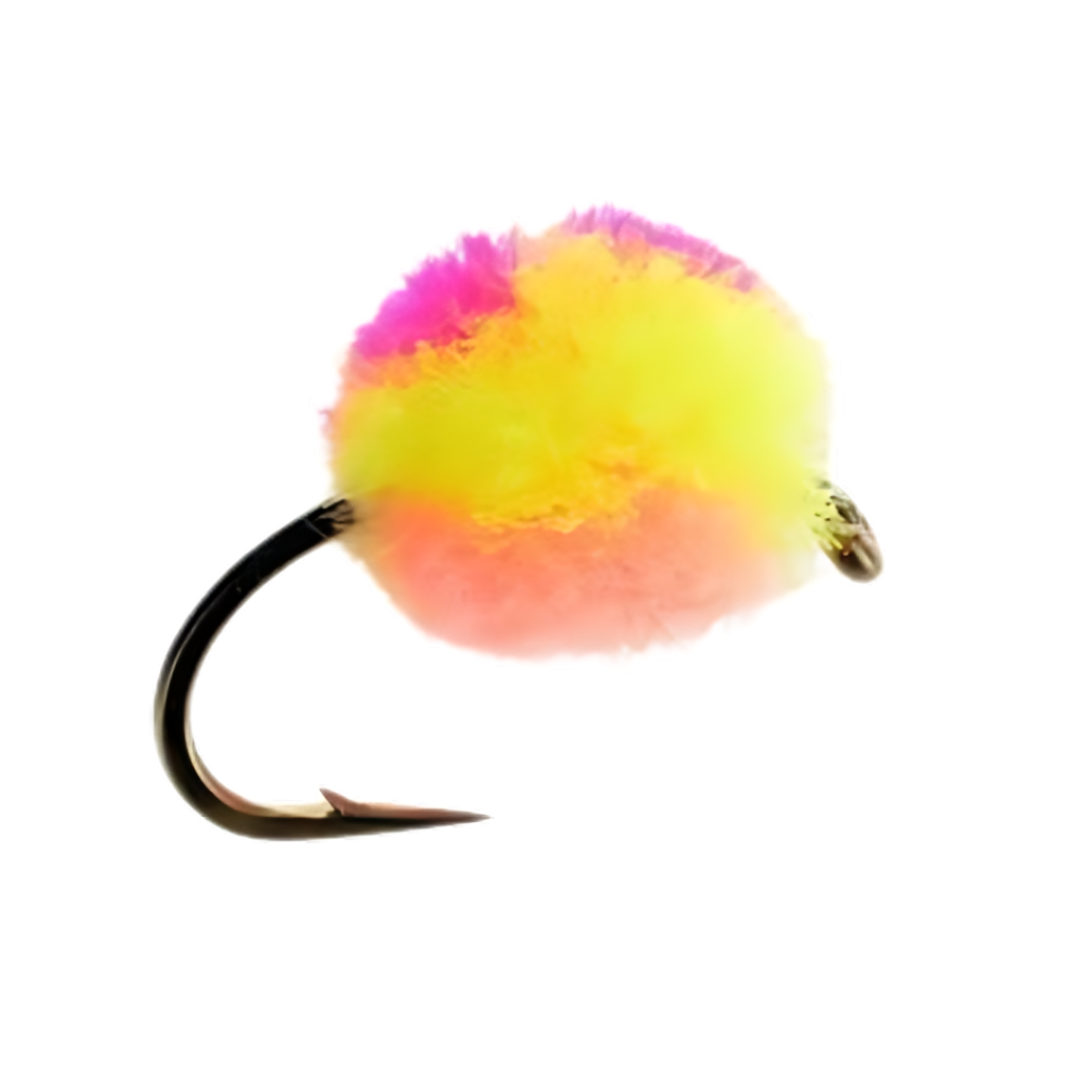
The Clown Egg pattern stands apart from other egg flies through its distinctive multi-colored design that eliminates the guesswork of which color trout prefer. Instead of choosing a single shade, this pattern combines multiple colors into one effective presentation.
Best Season for The Clown Egg Pattern: Excels primarily in fall through winter and into early spring whenever eggs are naturally present.
Ideal Conditions for The Clown Egg Pattern and Time of Day: Shines in waters with spawning fish present across various water clarities—from crystal clear to muddy conditions; high, muddy rivers benefit from the pattern's visibility; dawn and dusk low-light periods boost the multi-color strands' standout effect as trout rely more on motion and contrast detection.
Key Features of The Clown Egg Pattern
- Mixture of several bright colors (e.g., Pink, Steelhead Orange, McCheese, Golden McFly Foam) in one fly
- Multiple smaller strands of various hues for versatility across conditions
- McFly Foam provides better translucency and durability than standard yarn
Clown Egg Hook and Size: Dohiku Claw C240 sizes 10-14, Gamakatsu C14S #6, Dai-Riki #135 size 14; add 2.5-3.5mm slotted tungsten beads.
Clown Egg Rigging and Presentation Tips
- Rigging: Tight-line/Euro nymphing or under indicator; add tungsten for depth without excess shot; dual colors where legal.
- Presentation: Dead drift in pocket water or deep runs; fish two colors to test preferences.

Among the most distinctive egg patterns, the Sucker Spawn mimics the egg clusters of white suckers - a fish found in over 40 of the contiguous United States. Originally designed to imitate real sucker eggs, this pattern has become a staple for anglers across various regions.
Best Season for The Sucker Spawn Egg Pattern: Excels primarily in early spring when white suckers begin their spawning ritual, plus November-December for trout spawning.
Ideal Conditions for The Sucker Spawn Egg Pattern and Time of Day: Shallow riffled sections with gravel bottoms and water 12-24 inches deep below active sucker spawning beds where trout intercept drifting eggs; dawn and dusk when visible surface disruptions from spawning suckers signal prime trout feeding frenzies.
Key Features of The Sucker Spawn Egg Pattern
- Series of small loops creating cluster-like appearance of real egg masses
- Materials like angora yarn, Needleloft yarn, sparkle yarn, glo-bug yarn
- Light golden to pale yellow coloration with subtle translucence when wet
- Rough yarn edges for better hooksets
Sucker Spawn Egg Pattern Hook and Size: TMC #105 sizes 2-10, Gamakatsu C14S #8-12, TMC #2457 #8-12, Dai-Riki #125 #12-14, Daiichi #1120 scud hooks.
Sucker Spawn Egg Pattern Rigging and Presentation Tips
- Rigging: Euro nymphing or indicator with brass/gold beads for sink; stealth approach to spawners.
- Presentation: Dead drift with minimal slack for instant strikes; target below beds annually.
Sucker Spawn Egg Pattern Notes: Carry orange, pink, chartreuse, pearl, salmon egg colors; primary winter fly on stocked waters.

Otter's Soft Egg represents a more naturalistic approach to egg pattern design, focusing on subtle translucence and lifelike texture that closely mimics freshly released eggs in the water system. This distinctive pattern has earned a devoted following among serious steelhead and trout anglers seeking realistic presentations.
Best Season for The Otter’s Soft Egg: Performs exceptionally well during late fall through early spring as transition patterns.
Ideal Conditions for The Otter’s Soft Egg and Time of Day: Clear to slightly stained water during lower light conditions—early morning, evening, or overcast days; dawn and dusk prime for selective trout in tailwaters or spring creeks where the subtle profile outperforms brighter options.
Key Features of The Otter’s Soft Egg
- Soft, compressible texture that collapses realistically in water
- Specialized dubbing blends and subtle flash for lifelike translucence
- Naturalistic design mimicking freshly released eggs
The Otter’s Soft Egg Hook and Size: Scud hooks sizes 10-14, barbless with wide gaps for soft materials.
The Otter’s Soft Egg Rigging and Presentation Tips
- Rigging: Dead-drift with split shot 12-18" above; pair with nymph dropper.
- Presentation: Tumble naturally along bottom; point fly on double nymph rig.
The Otter’s Soft Egg Notes: Pale peach/cream to orange/salmon tones; go-to after bright patterns seen.
5. Unreal Egg

Jim Pettis, a California fly fishing guide, created the aptly named Unreal Egg—a pattern that truly comes alive once submerged. This innovative design utilizes a glass bead wrapped inside synthetic material, creating a remarkable translucent effect in water.
Best Season for The Unreal Egg: Shines particularly during spring and fall when trout are spawning, effective year-round.
Ideal Conditions for The Unreal Egg and Time of Day: Slower water where trout can thoroughly examine the fly, especially with fish moving laterally aggressively; dawn and dusk enhance the glass bead's realistic translucency during inspection periods.
Key Features of The Unreal Egg
- Glass bead (dark orange with silver lining) encased in synthetic material
- McFly Foam or Cascade egg yarn for exceptional wet transparency
- Simple design creating highly realistic drifting egg presentation
The Unreal Egg Hook and Size: TMC 2457 or similar egg hooks, sizes 12-16 (12 standard).
The Unreal Egg Rigging and Presentation Tips
- Rigging: Under indicator with 12-foot leaders; single or cluster variations.
- Presentation: Dead drift hugging bottom inch; roll naturally in current

Originally created for Great Lakes tributaries, the Bloodline Egg pattern has gained widespread popularity as an exceptionally versatile egg fly. This multi-colored variation of the classic Scrambled Egg attracts both steelhead and trout across various water conditions.
Best Season for The Bloodline Egg: Effective year-round, peaks during brook trout (September-October), brown trout (October-December), and rainbow trout (February-May) spawning.
Ideal Conditions for The Bloodline Egg and Time of Day: Below spawning areas where trout position to intercept drifting eggs, targeting aggressive lateral movers; dawn and dusk for natural drifts downstream from redds without disturbing spawners.
Key Features of The Bloodline Egg
- Multi-colored design (e.g., Chartreuse Cerise, Baby Pink) for high visibility
- Contrasting colors mimicking real drifting eggs
- Natural movement in currents due to unique construction
The Bloodline Egg Hook and Size: Sizes 8-16, size 12 standard; smaller for clear, larger for stained.
The Bloodline Egg Rigging and Presentation Tips
- Rigging: Indicator single or point in two-fly nymph; multiple eggs in feeding.
- Presentation: Bright lead with trailing smaller egg; natural water column drift.

The Bead Head Kenobi Egg stands as one of fishing's most innovative hybrid patterns, combining two irresistible food sources into a single presentation. First and foremost, this pattern has gained popularity at an astonishing rate among serious anglers seeking consistent results.
Best Season for The Bead Head Kenobi Egg Pattern: Excels year-round but particularly during spawning seasons when both eggs and worms are present.
Ideal Conditions for The Bead Head Kenobi Egg Pattern and Time of Day: Tailwaters, spring creeks, and pressured rivers when fish grow wary of standard patterns; dawn and dusk effective for the hybrid trigger on selective fish.
Key Features of The Bead Head Kenobi Egg Pattern
- Hybrid with eye-catching egg head and slim micro chenille worm body
- Beadhead for quick sinking
- Combines two food sources (egg + worm) as attractor
Bead Head Kenobi Egg Pattern Hook and Size: Sizes 8-12 on wide-gapped hooks for components.
Bead Head Kenobi Egg Pattern Rigging and Presentation Tips
- Rigging: Indicator or Euro nymph as lead with midge/sowbug dropper.
- Presentation: Static or slide bead rig for trout; lock bead with loops.
8. Glo Bug

For decades, the classic Glo Bug has remained a cornerstone pattern in fly boxes worldwide. This quintessential egg pattern combines simplicity with remarkable effectiveness, making it a staple for anglers targeting steelhead and trout throughout North America.
Best Season for The Glo Bug: Excels during spawning periods but remains effective year-round for rainbow trout and steelhead, peaking in fall.
Ideal Conditions for The Glo Bug and Time of Day: Brighter patterns in low light, mornings, evenings, and colored water; smaller natural colors in clear conditions; dawn and dusk universally effective across all water types.
Key Features of The Glo Bug
- Round, opaque profile from egg yarn or McFly Foam
- McFly Foam compresses for tighter eggs
- Color combinations like peach, baby blue, early girl, tangerine, steelhead orange with contrast trigger
The Glo Bug Hook and Size: Gamakatsu C14S #12 to #2, short shank up-eye.
The Glo Bug Rigging and Presentation Tips
- Rigging: Dead drift under indicator single or point fly; adjust weight.
- Presentation: High stick drop-offs or tight-line redds; mend/stack for swing.
The Glo Bug Notes: Tied with strong GSP thread and shaped using a soda straw to keep the egg size consistent.
The finished fly sinks naturally, closely matching the way real fish eggs drift in the water.
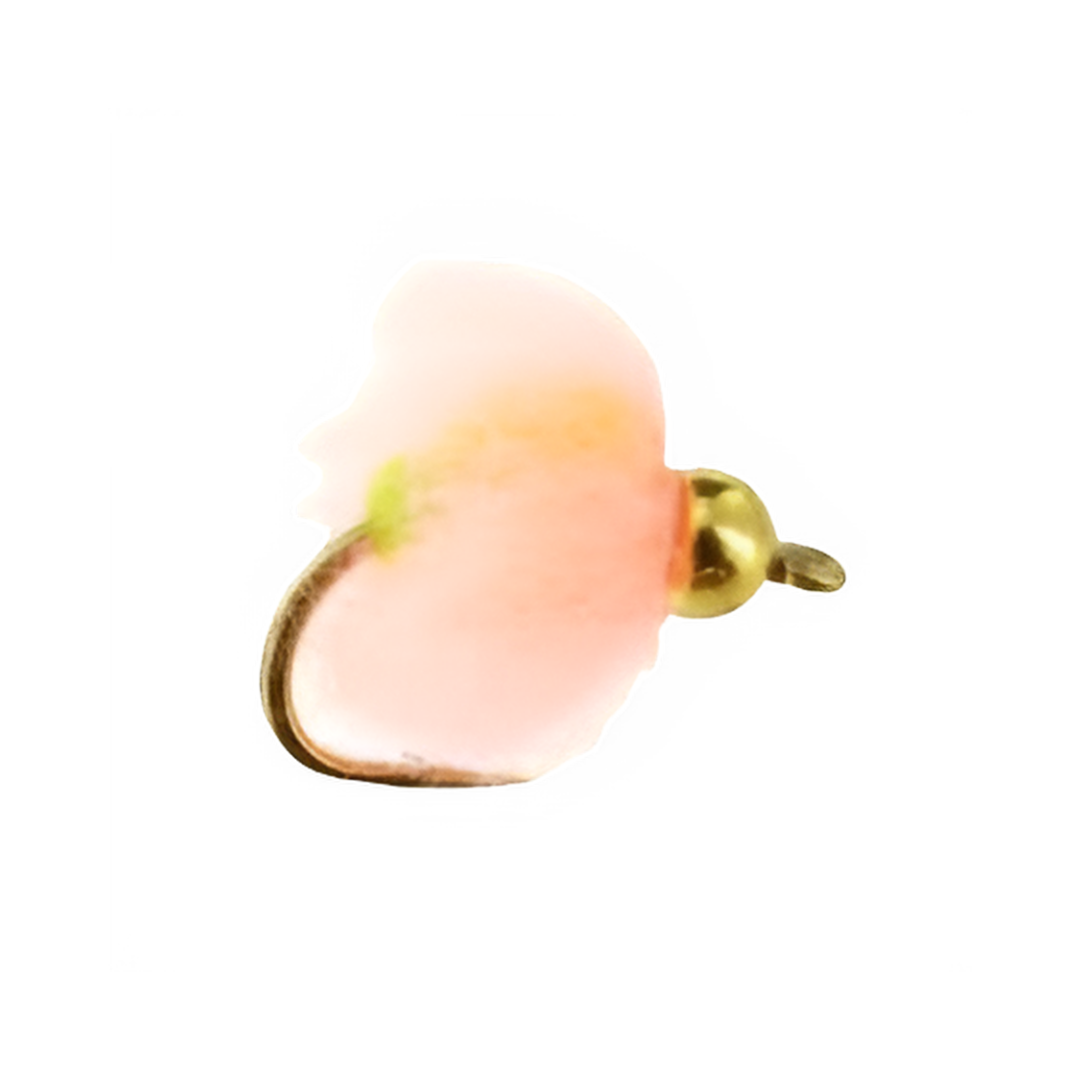
The Veiled Egg Pattern takes a different approach from standard egg flies by incorporating a translucent veil that creates a remarkably realistic profile. This innovative design mimics the connective tissue or milt surrounding natural eggs in the water.
Best Season for The Veiled Egg Pattern: Shines during rainbow trout spawning periods from fall through early spring.
Ideal Conditions for The Veiled Egg Pattern and Time of Day: Clear to slightly stained water as a lightweight dropper below indicator or heavier fly; dawn and dusk enhances the milky veil's halo effect in lower light.
Key Features of The Veiled Egg Pattern
- Translucent veil surrounding egg body creating halo effect
- Sparse, milky veil simulating milt or slime on natural eggs
- Crucial translucent appearance underwater
The Veiled Egg Pattern Hook and Size: Daiichi 4250 #4, Partridge Egg/Catis Heavy, TMC 2457/2488H #14-18.
The Veiled Egg Pattern Rigging and Presentation Tips
- Rigging: Dropper below indicator or trailing in two-fly.
- Presentation: Dead drift tumble; veil disappears underwater.
10. Blood Dot Egg

Created by Pennsylvania angler Jeff Blood in the early 1980s, the Blood Dot Egg has become synonymous with Great Lakes steelhead and brown trout fishing. This remarkably effective pattern stands out with its distinctive design.
Best Season for The Blood Dot: Effective during steelhead runs from fall through spring on Great Lakes tributaries.
Ideal Conditions for The Blood Dot and Time of Day: Painfully low, clear flows behind redds where trout wait for eggs; dawn and dusk for the translucent fry mimicry standout.
Key Features of The Blood Dot
- Sparse construction for translucent wet appearance
- Egg-colored GloBug Yarn with contrasting dot mimicking developing fish fry/yolk sac
The Blood Dot Hook and Size: 2X-heavy 2X-short scud/emerger #8-12; 3X strong scud.
The Blood Dot Rigging and Presentation Tips
- Rigging: Two-fly nymph with heavier anchor; thin tippet high-stick.
- Presentation: Lightweight dropper rolling redds downstream.
The Blood Dot Notes: Pink/red, yellow/orange/pink, ivory/pink; UV resin durability.
11. Epoxy Egg

Combining durability with rapid sink rates, the Epoxy Egg pattern solves common challenges anglers face when fishing egg patterns in deep water. This innovative design provides lasting performance even after catching multiple fish.
Best Season for the Epoxy Egg: Performs throughout trout spawning seasons targeting fish downstream from beds.
Ideal Conditions for the Epoxy Egg and Time of Day: Fast-moving currents and deep pools where eggs accumulate—behind rocks, deeper runs, gravel edges; dawn and dusk for sink-rate advantages in accumulation zones.
Key Features of the Epoxy Egg
- Epoxy coating for hardened yet spongy texture like natural eggs
- Silicone-coated tungsten bead in some versions for sink rate
- Yarn with flexible adhesive for lasting lifelike shape
Epoxy Egg Hook and Size: Mustad Scud #10; lead-free split shot on shank.
Epoxy Egg Rigging and Presentation Tips
- Rigging: Point fly with trailing smaller eggs; short leaders.
- Presentation: Short dead drifts tumbling bottom
12. Nuke Egg

The Nuke Egg pattern stands out as a powerhouse among egg flies with its distinctive bright coloration and unique design elements. This eye-catching pattern often becomes the savior when fish ignore other presentations.
Best Season for the Nuke egg: Spring freshets through early summer when water clarity diminishes.
Ideal Conditions for the Nuke egg and Time of Day: High, discolored water after heavy rainfall where light penetration limits; early mornings and dawn/dusk for fluorescent oversized visibility.
Key Features of Nuke egg
- Oversized profile with vibrant, often fluorescent coloring
- McFly Foam or similar for substantial shape
- Greater visibility in turbid conditions
Nuke egg Hook and Size: Size 8-10 curved scud hooks.
Nuke egg Rigging and Presentation Tips
- Rigging: Lead in two-fly system above smaller patterns.
- Presentation: High water drifts; downsize as clears.
Nuke egg Notes: Adaptable across conditions.
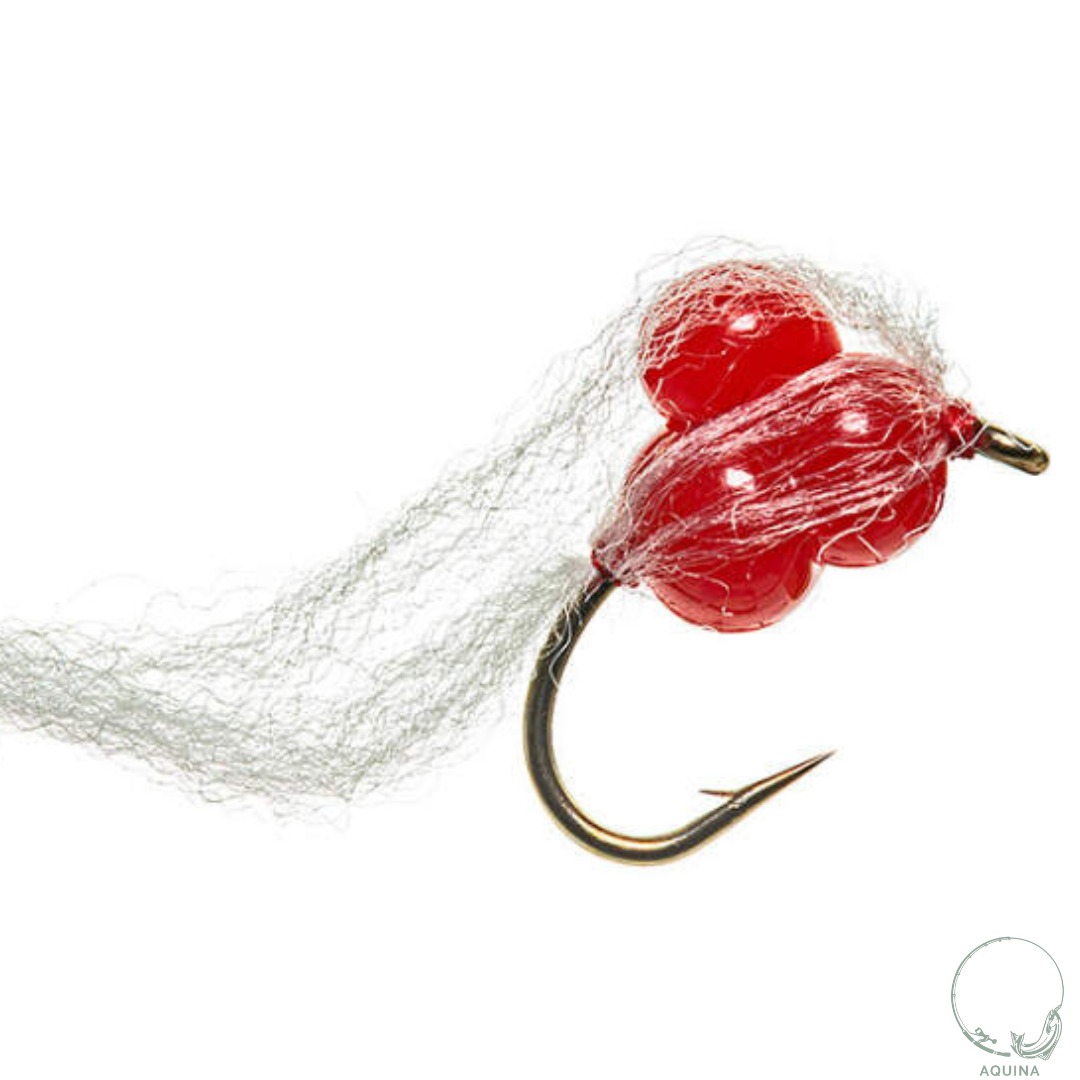
Egg clusters differ fundamentally from single egg patterns by mimicking multiple eggs drifting together—a more substantial meal for hungry trout. This natural phenomenon often occurs immediately after spawning activity.
Best Season for Egg Cluster Pattern: Peak spawning periods as match-the-hatch through colder months.
Ideal Conditions for Egg Cluster Pattern and Time of Day: Milky flows off stream mouths in lakes on slow retrieve or sinking lines; dawn and dusk for slow cluster drifts mimicking post-spawn clusters.
Key Features of Egg Cluster Pattern
- Multiple eggs in single pattern mimicking drifting clusters
- Yarn or Otter's soft-style eggs for shape and action
- Excellent visibility and lifelike movement
Egg Cluster Pattern Hook and Size: Size 4-12 short-shank; mono loops for big river fish.
Egg Cluster Pattern Rigging and Presentation Tips
- Rigging: Short dropper Di7 line; tight-line control.
- Presentation: Slow bounce/roll slower than current; heave/leave
14. Ragg Egg

The Ragg Egg distinguishes itself with its uniquely loose, textured appearance designed to create lifelike movement in water. First appearing in steelhead waters, this pattern has quickly become essential for anglers targeting various species across multiple environments.
Best Season for Ragg Egg: Performs effectively year-round yet excels during spawning when egg-feeding peaks.
Ideal Conditions for Ragg Egg and Time of Day: Murky waters and low-light where visibility is critical; dawn and dusk for the ragged textured movement to stand out naturally.
Key Features of Ragg Egg
- Loose, textured "ragged" appearance for lifelike movement
- Tied loosely to hook for natural presentation
- Bright, visible body replicating drifting fish eggs
Ragg Egg Hook and Size: Gamakatsu C14S #6-8 egg hooks.
Ragg Egg Rigging and Presentation Tips
- Rigging: Standalone attractor or above natural egg dropper.
- Presentation: Dead drift tumble with current
15. Yarn Egg

As the most economical and beginner-friendly option among egg patterns, yarn egg flies deliver exceptional results despite their straightforward design. These inexpensive patterns require minimal materials yet consistently rank among the most productive flies for trout and salmon.
Best Season for the Yarn Egg: Shines during early spring steelhead runs, effective year-round for trout.
Ideal Conditions for the Yarn Egg and Time of Day: Bottom presentations with dead drifts below spawning beds where trout expect eggs; dawn and dusk for natural tumbling along riverbeds.
Key Features for Yarn Egg
- Simple construction with egg yarn or McFly Foam for round profile
- McFly Foam compresses better for tighter eggs
- Vibrant colors with contrasting dots mimicking oil droplets
Yarn Egg Hook and Size: Sizes 10-16, #12 standard; #16 for finicky.
Yarn Egg Rigging and Presentation Tips
- Rigging: Dead-drift bottom; beadhead for fast currents.
- Presentation: Natural bottom hug; no mid-current float.
Yarn Egg Notes: Orange/pink/white/yellow dots; shines underwater.
Comparison Table of the 15 Best EGG Fishing Flies.
| Pattern Name | Key Features | Best Season | Ideal Conditions | Hook Sizes | Notable Characteristics |
| Y2K Egg | Two-tone design with McFly Foam | Fall | Normal to high flows | 12-14 | Drop bead design for horizontal orientation |
| Clown Egg | Multiple bright colors in one fly | Fall-Winter-Early Spring | Various water clarities | 10-14 | Effective across changing water conditions |
| Sucker Spawn | Series of small loops creating cluster appearance | March-May | Shallow riffled sections, 12-24" deep | 2-10 | Mimics white sucker eggs |
| Otter's Soft Egg | Soft, compressible texture | Late Fall-Early Spring | Clear to slightly stained water | 10-14 | Natural movement in current |
| Unreal Egg | Glass bead wrapped in synthetic material | Spring and Fall | Slower water | 12-16 | Exceptional transparency when wet |
| Bloodline Egg | Multi-colored design | Year-round | Below spawning areas | 8-16 | Lightweight construction for natural drift |
| Bead Head Kenobi | Egg head with micro chenille worm body | Year-round | Tailwaters and pressured rivers | 8-12 | Hybrid pattern combining egg and worm |
| Glo Bug | Round, opaque profile | Fall-Spring | Various water types | 12-2 | Classic pattern with proven effectiveness |
| Veiled Egg | Translucent veil surrounding egg body | Fall-Early Spring | Clear to slightly stained water | 14-18 | Mimics milt-covered eggs |
| Blood Dot Egg | Sparse construction with contrasting dot | Fall-Spring | Low, clear flows | 8-12 | Translucent appearance when wet |
| Epoxy Egg | Hardened epoxy coating | Spawning seasons | Fast-moving currents, deep pools | 10 | Superior durability and sink rate |
| Nuke Egg | Oversized profile, fluorescent coloring | Spring-Early Summer | High, discolored water | 8-10 | Excellent visibility in turbid conditions |
| Egg Cluster | Multiple eggs in single pattern | Peak spawning periods | Milky flows | 4-12 | Mimics multiple eggs drifting together |
| Ragg Egg | Loose, textured appearance | Year-round | Murky waters | 6-8 | Creates lifelike movement |
| Yarn Egg | Simple construction with egg yarn/McFly Foam | Early Spring | Bottom presentation | 10-16 | Economical and beginner-friendly |
Conclusion
Egg patterns undoubtedly stand as some of the most effective and versatile flies available to anglers today. Throughout this guide, we've explored fifteen distinctive egg patterns, each offering unique advantages for specific fishing conditions. These patterns work remarkably well because they mimic one of the most nutritious and easily consumed food sources found in river systems.
Anglers who struggle to entice fish with traditional nymphs or dry flies will certainly benefit from adding several egg patterns to their fly boxes. The remarkable effectiveness of these flies stems from their ability to trigger a natural feeding response, especially during spawning seasons when real eggs saturate waterways.
Experienced fly fishers understand that matching seasonal conditions proves essential for success. Fall through early spring generally yields the best results with egg patterns, though many experienced anglers carry these flies year-round due to their consistent productivity. Additionally, the right presentation makes all the difference—a dead drift along the bottom where natural eggs tumble remains the most effective technique.
Perhaps the greatest advantage of egg patterns lies in their simplicity. Even novice tiers can create effective versions with minimal materials and experience. Nevertheless, sophisticated patterns like the Bloodline Egg or Veiled Egg demonstrate how subtle innovations continue pushing the effectiveness of these flies forward.
Savvy anglers might consider carrying multiple variations of these fifteen patterns, experimenting with different sizes, colors, and presentations based on water conditions. Bright, larger patterns typically outperform in stained or high water, while smaller, more natural colors excel in clear conditions where fish become more selective.
Egg flies deserve permanent residence in every serious angler's fly box, regardless of fishing location or target species. Their proven track record across decades of use confirms what many fishing guides whisper among themselves—when nothing else works, an egg pattern often saves the day. Though fashions in fly fishing constantly change, these protein-packed imitations remain timeless producers that consistently fool fish when presented properly.
Key Takeaways
Master these essential egg fly patterns to transform slow fishing days into productive outings, as these protein-rich imitations consistently trigger strikes when other flies fail.
- Carry multiple egg patterns in various colors and sizes - bright patterns for stained water, natural tones for clear conditions, with sizes 10-14 covering most situations effectively.
- Focus on fall through early spring seasons when spawning activity peaks, making egg patterns irresistible to trout positioned below spawning beds waiting for drifting eggs.
- Present with dead drift along the bottom where natural eggs tumble - use indicators or Euro nymphing techniques to maintain proper depth and detect subtle strikes.
- Start with proven patterns like Y2K, Clown Egg, and Glo Bug before expanding to specialized options like Bloodline or Veiled Eggs for pressured waters.
- Fish below spawning areas and in slower water where eggs naturally collect - behind rocks, deeper pools, and gravel bed edges where hungry trout position themselves.
These versatile patterns work year-round because they mimic one of nature's most nutritious food sources. Even novice tiers can create effective versions with minimal materials, making egg flies both accessible and deadly effective for consistent fishing success.
Faqs About best egg pattern fishing flies
What are the most effective colors for egg flies?
The best colors for egg flies include Oregon cheese, orange roe, champagne, pink lady, chartreuse, and clear. Different colors work better in various water conditions, so it's advisable to carry a range of options.
What size egg flies are recommended for trout fishing?
For targeting smaller trout in streams, micro eggs in size #14 are often preferred. However, sizes can range from 10-16 depending on water conditions and the size of the fish you're targeting.
Which egg fly pattern is particularly effective for steelhead?
The Glo Bug is a favorite among steelhead anglers. It's often fished in tandem with another Glo Bug of a different color or a San Juan Worm under an indicator. This pattern has proven highly effective for steelhead and many other species.
When is the best time to use egg fly patterns?
Egg patterns are most effective during spawning seasons, typically from fall through early spring. However, many experienced anglers carry these flies year-round due to their consistent productivity across various conditions.
How should egg flies be presented for the best results?
For optimal results, present egg flies with a dead drift along the bottom where natural eggs would tumble. Use indicators or Euro nymphing techniques to maintain proper depth and detect subtle strikes. Focus on areas below spawning beds and in slower water where eggs naturally collect.
Where can I buy bulk egg fishing flies online?
You can buy bulk egg fishing flies online from trusted specialty fly shops, outdoor retailers, and direct suppliers. Many anglers prefer ordering custom egg flies directly from manufacturers or international fly tying factories in Kenya, such as Aquinaflies.com. This ensures hand-tied quality, consistency, and better pricing on larger quantities. Kenya has been renowned since the colonial era for producing skilled fly tiers with decades of experience and deep knowledge of traditional patterns.