
TOP 15 BEST FLIES FOR TROUT NZ
Imagine browsing a tackle shop or shopping online for fishing flies, surrounded by hundreds of options. It’s an exciting challenge every angler in New Zealand knows well. The best flies for trout NZ can elevate your fishing experience, turning every outing into a chance for unforgettable success.
Choosing the ideal flies is an art. Seasonal changes and water conditions can influence what works best. To simplify the process, top fly fishing in NZ guides were consulted, resulting in a curated list of 15 highly effective flies. These flies consistently perform in all kinds of waters, from clear mountain streams to expansive lakes.
Every angler’s collection deserves these proven fly fishing patterns. Whether casting for rainbow trout in Taupo, brown trout in Southland, or seeking the best flies for Northeast trout or the best flies for the Tongariro, these flies provide the confidence to make every cast count.
1. Cicada Pattern

Shop Cicada Pattern at Wholesale Price per Dozen at AquinaFlies.com - Ideal for Trout Fishing in New Zealand.
Cicada patterns are among the most effective trout flies in New Zealand, particularly in backcountry waters. These flies, typically 2cm to 4cm in length, are irresistible to trout due to their lifelike features, including foam or deer hair bodies for flotation, rubber legs for movement, white sighter for visibility, and realistic wing profiles.
Cicadas become a prime food source for trout from mid-January through March, with January and February being the most productive months. The cicada action begins in the lower South Island around mid-to-late November, but the best fishing typically occurs in the warmer months.
When fishing with cicada patterns, a 9 or 10-foot tapered leader is ideal. These flies perform well in inside edges of main currents, near pool eyes, and where water tumbles into pools. A splash upon landing is not a concern, as natural cicadas create similar splashes. Leaders should be 7-8lb test or stronger for larger fish in faster currents.
2. Hare and Copper Nymph

The Hare and Copper nymph is one of NZ's most trusted fly patterns, proving effective across various waters year-round. Its strength lies in a simple yet effective design featuring a hare fur body with guard hairs for a natural "buggy" look, medium copper wire ribbing, a pheasant tail or ginger brown hackle fiber tail, and an optional black, gold, or copper bead head.
This pattern works best in sizes 10 through 16, with weighted versions featuring tungsten or brass beads ideal for deeper waters. Shorter hooks generally provide better results, exposing more hook relative to the fly's size.
Representing various aquatic insects such as mayfly nymphs and caddis larvae, the Hare and Copper nymph performs best in early season, especially during the late February to March period. It excels when used as a point fly during hatches, fished deep with added weight in faster currents. The two-toned abdomen and thorax of this fly consistently outperforms solid-colored patterns.
3. Adams Parachute

Shop Adams Parachute Fly at Wholesale Price per Dozen - Ideal for Trout Fishing in New Zealand.
The Adams Parachute is a versatile fly pattern, particularly effective in challenging conditions, making it a staple in every New Zealand angler's fly box.
Pattern Specifications
The Adams Parachute features:
- White post for visibility in low light
- Gray dubbing body for realism
- Brown and grizzly hackle fibers for the tail
- Horizontal hackle wrapping for stability
Seasonal Effectiveness
It performs well year-round, especially during Blue-Winged Olive hatches. Available in sizes 12-22, it adapts to various seasonal hatches.
Presentation Tips
- Present with a dead drift in the surface film
- Use sizes 18-20 for specific hatches
- Apply floatant to the dubbing and wing post
- Opt for larger sizes (14-16) when no hatch is present
This fly mimics helpless insects trapped on the water's surface, making it effective in both fast and slow waters—an essential for NZ's diverse fishing conditions.
4. Blowfly Pattern
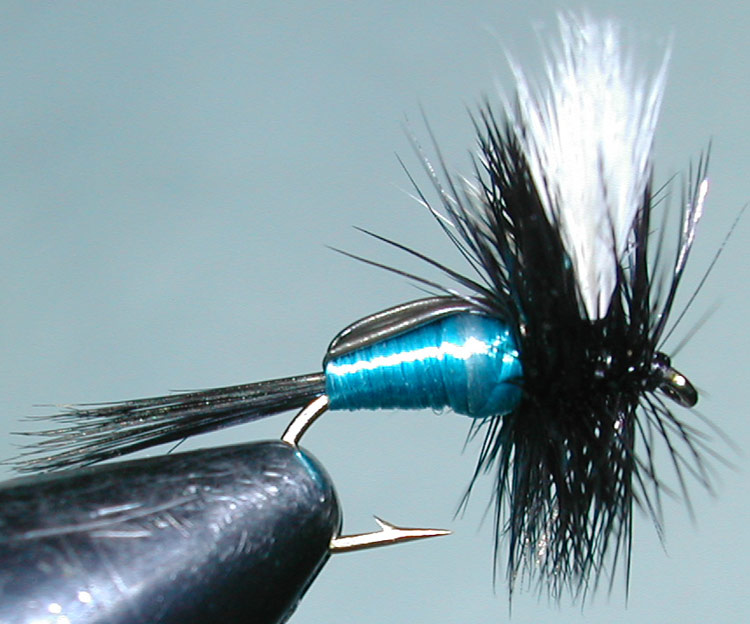
Image Source: Superfly.co.nz
Blowfly patterns are essential for summer fishing in New Zealand’s high country lakes, especially in farming areas where these insects thrive. These patterns are effective due to their realistic design and superior flotation. Key features include:
- Metallic body with blue or green thorax
- Calf tail wings for improved visibility
- Deer hair tail for better flotation
- Black foam variant for durability
When to Use
Blowfly patterns are most effective from November to April, with trout becoming more discerning as the season progresses. The best sizes range from #10 to #14.
Fishing Techniques
For optimal results, cast near livestock paddocks where natural blowflies gather, use as an indicator fly above weighted nymphs, or drop it into shallow riffles where trout actively feed. The blue variant generally outperforms the green. Foam versions are ideal for high country lakes, providing excellent flotation and supporting dropper nymphs.
5. Elk Hair Caddis

The Elk Hair Caddis is a must-have fly for New Zealand trout anglers, particularly when fishing for trout in rivers and streams with consistent caddis hatches. This dry fly is designed to imitate a floating caddis pupa, a food source that trout eagerly rise to, especially during the warmer months. The Elk Hair Caddis has earned its place as a go-to pattern in the Kiwi fly fisher’s arsenal.
Elk Hair Caddis Pattern Details
Key components of the Elk Hair Caddis include:
- Hook: Kamasan B175 or Tiemco 100 in sizes 12-16
- Body: Olive or tan dubbing, representing the natural caddis color
- Wing: Natural elk hair for high buoyancy and visibility
- Hackle: Grizzly or brown neck hackle to add lifelike motion
Prime Fishing Time
The Elk Hair Caddis is most productive in NZ from late spring to autumn, with peak hatches typically occurring in late afternoon and evening. Caddis flies are particularly active during the warm months, and trout are drawn to the surface during caddis hatches.
Presentation Strategies
For optimal results, present the Elk Hair Caddis in slow-moving riffles, shallow pools, and along current edges where caddis are likely to emerge. A dead-drift presentation is best, but the fly can also be twitched slightly to imitate the struggling caddis as it becomes airborne. Its high-floating profile ensures excellent visibility for both angler and trout.
6. Willow Grub

Shop Willow Grub at Wholesale Price Per Dozen - Ideal For Trout Fishing In New Zealand.
The willow grub pattern is a must-have for summer fishing in New Zealand. This small terrestrial fly is ideal for enticing even the most cautious trout.
Pattern Characteristics
Successful willow grub patterns are small, typically tied on size 20 hooks or smaller. Key features include:
- Vibrant green coloring
- Sparse, wingless design
- Curled body shape for natural movement
- Optional foam for better flotation
Peak Season
Best from December to February, when red blisters appear on willow leaves, signaling increased trout activity under trees.
Fishing Techniques
Precision is essential for willow grub fishing. Use these tips for success:
- Fish with 4x or 5x tippet near structure
- Cast 1-2 feet upstream of rising fish
- Keep the drift drag-free
- Be patient—sometimes multiple casts are needed
Weighted versions create a subtle “plop” that encourages trout to strike, making it a top choice for summer fishing in New Zealand's waterways.
7. Chocolate Pudding Bomb

The Chocolate Pudding Bomb is a highly effective chironomid pattern for New Zealand's lake waters, especially when targeting deeper-feeding trout.
Pattern Features
Key components include:
- White tungsten or brass bead (2mm or 5/64)
- Rusty Brown DOT turning thread
- Hollow tinsel body
- Size 16 Daiyachi 1760 hook
Weight Options
- Tungsten beads for faster sinking in deeper waters
- Brass beads for slower sinking in shallower areas
Fishing Techniques
This pattern is perfect for mimicking pre-gassed pupae at the bottom. To get the best results:
- Target deeper sections where chironomids gather
- Fish slowly along the bottom with long leaders for a natural presentation
- Vary retrieve speeds to match fish activity
The Chocolate Pudding Bomb excels as a point fly in a two-fly rig. The white bead version is ideal for clear waters, while darker beads perform better in stained waters.
8. Guide's Parachute

The Guide's Parachute is a must-have fly for New Zealand's rivers, known for its ability to fool even the most selective trout.
Design Elements
Key features include:
- Calf body hair post for durability
- Dual hackle system (brown and grizzle)
- Fine segmented body design
- Premium dubbing for a natural appearance
Versatility
The Guide's Parachute excels as a mayfly, caddisfly, and midge imitation. Sizes #10 to #18 are effective for matching various insect species throughout the season.
Usage Tips
Proven techniques for success:
- Match size and color to local insect hatches
- Ensure drag-free drifts for a natural presentation
- Use as an attractor pattern when no hatch is visible
- Apply floatant to maintain buoyancy in rough waters
This pattern is effective in both calm and riffled waters, with the white post making it easy to spot, especially during evening hatches in New Zealand’s backcountry streams.
9. Brown Stone Fly
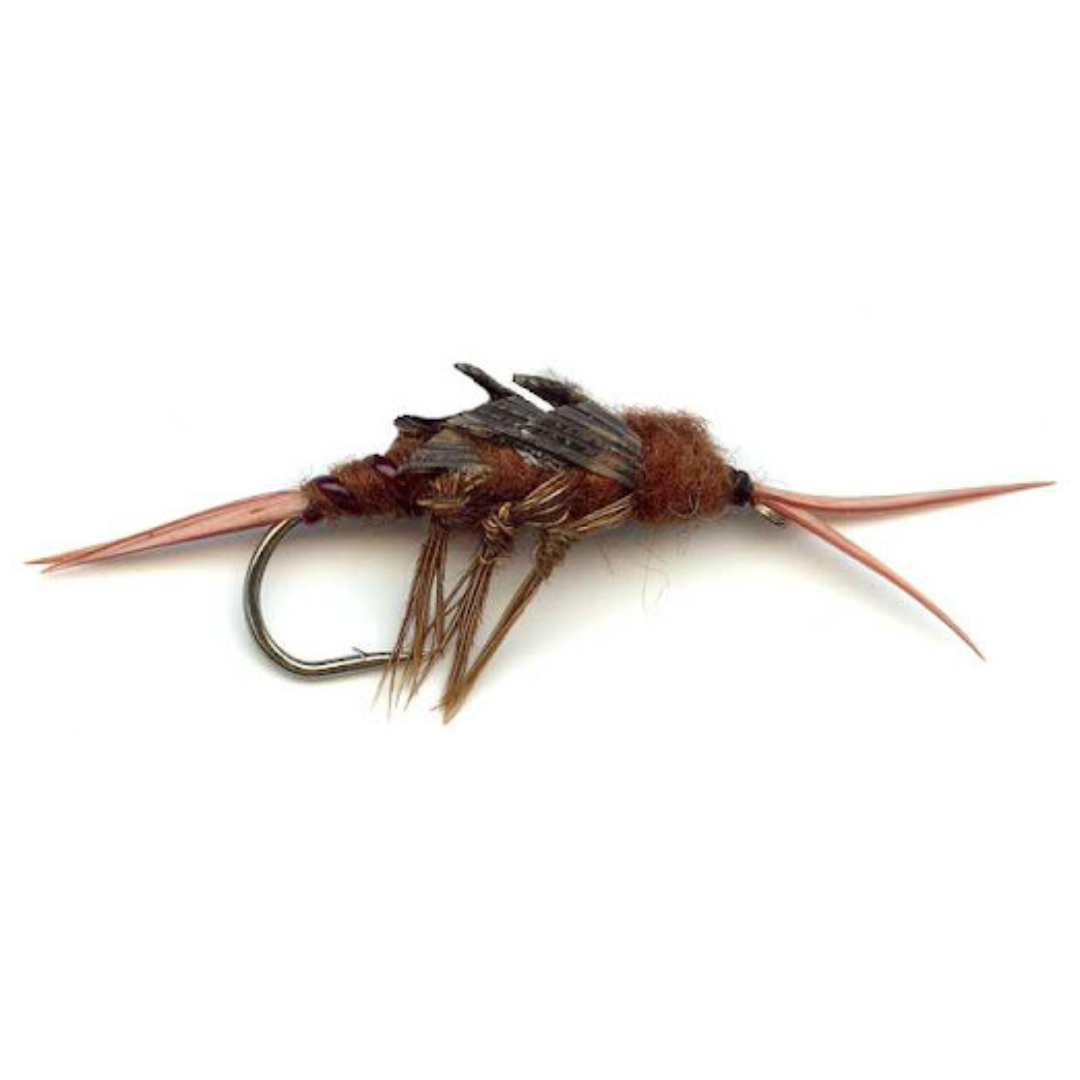
Shop Brown Stone Fly at Wholesale Price per Dozen at AquinaFlies.com - Ideal for Trout Fishing in New Zealand.
10. Possum and Marabou Streamer

11. CDC Mayfly Emerger

12. Foam Manuka Beetle

Shop Foam Manuka Beetle at Wholesale Price per Dozen - Ideal for Trout Fishing in New Zealand.
13.Free Living Caddis

14. Mouse Pattern

Shop Mouse Pattern at Wholesale Price Per Dozen At Aquinaflies.Com - Ideal For Trout Fishing In New Zealand.
15. Woolly Bugger

Comparison Table Best Flies For Trout NZ
| Fly Pattern | Best Season/Time | Size Range | Key Design Features | Primary Usage/Technique | Target Water Type | Best Region |
|---|---|---|---|---|---|---|
| Cicada Pattern | Mid-Jan to March | 2-4cm | Foam/deer hair body, rubber legs, white sighter | Dead drift | Current edges, pool eyes | Northeast Trout, Tongariro |
| Hare and Copper Nymph | Late Feb to March | #10-16 | Hare fur body, copper wire ribbing, optional bead head | Deep presentation with weight | Swift currents | Tongariro, Nelson |
| Adams Parachute | Year-round | #12-22 | White post, gray dubbing, brown/grizzly hackle | Dead drift in surface film | Swift and gentle water sections | Tongariro, Nelson, Northeast |
| Blowfly Pattern | Nov to April | #10-14 | Metallic body, blue/green thorax, calf tail wings | Present near livestock areas | Shallow riffles | Nelson, Northeast |
| Elk Hair Caddis | Late spring to autumn | #12-16 | Olive or tan dubbing body, natural elk hair wing, grizzly or brown hackle | TDead drift, twitching | Slow-moving riffles, shallow pools, current edges | Northeast Trout, Tongariro, Nelson |
| Willow Grub | Dec to Feb | #20 or smaller | Vibrant green color, sparse wingless design | Drag-free drifts | Near willow trees | Tongariro, Nelson |
| Chocolate Pudding Bomb | Year-round, best in colder months | #16 | White tungsten/brass bead, hollow tinsel body | Slow retrieve along bottom | Deep sections | Nelson |
| Guide's Parachute | Year-round | #10-18 | Calf body hair post, dual hackle system | Drag-free drifts | Calm waters and riffles | Northeast Trout, Nelson |
| Brown Stone Fly | Early spring (year-round) | #8-14 | Olive-brown coloring, tubular shape, tungsten beads | Dead-drift with gentle pulls | Oxygenated, boulder-strewn sections | Tongariro, Nelson |
| Possum and Marabou Streamer | Year-round | #6 to #12 | Possum fur body, marabou tail, tungsten beads | Dead-drift or slow retrieve | Deep bouldery runs | Nelson, Tongariro |
| CDC Mayfly Emerger | Spring and summer during mayfly hatches | #14-18 | CDC wing post, downy soft fibers | Dead drift presentation | Slow-moving water | Tongariro, Nelson |
| Foam Manuka Beetle | Nov to Feb | #12-14 | High-viz post, foam construction | Target soft edge waters | Banks and mid-stream | Tongariro, Nelson |
| Free Living Caddis | Peak at sunrise/sunset | #10-14 | Bright green body, dark brown head | Deep presentation, tick bottom | Swift, broken currents | Nelson, Northeast |
| Mouse Pattern | Mid-summer to late fall | #2-4 | Foam-backed design, bulky hair body | Night fishing near structure | Gentle, deeper water sections | Tongariro, Nelson, Northeast |
| Woolly Bugger | Year-round | #6-10 | Olive body, marabou tail, bead head | Slow retrieve, dead drift | All water types, especially deep sections | Tongariro, Nelson, Northeast |
Conclusion
The above 15 fly patterns are proven to perform in New Zealand's diverse waters. Tested through years of guiding and fishing, they adapt to seasonal changes and local conditions. Small patterns like the Willow Grub require precise presentation, while larger flies such as Mouse Patterns are ideal for night fishing.
Carrying multiple sizes ensures success in technical situations. Expert guides rely on these patterns, as they work in various water types and conditions. Presentation, leader length, and tippet size are key for success. Understanding seasonal timing boosts chances, whether targeting cicada falls or caddis hatches.
These proven patterns are effective on both backcountry streams and popular rivers, helping anglers of all experience levels consistently catch fish. Matching the right fly to the conditions and presenting it correctly enhances success on New Zealand's waters.
Faqs About Best Flies For Trout NZ
When is the best time of year for fly fishing in New Zealand?
The prime fly fishing season in New Zealand typically runs from September through April. Early season (September-October) can be excellent on lakes, while summer months (December-February) offer great opportunities on both rivers and lakes.
What are some essential fly patterns for New Zealand trout fishing?
Some top fly patterns for New Zealand include the Hare and Copper nymph, Cicada pattern, Adams Parachute, Willow Grub, and Green Beetle. These versatile flies have proven effective across various waters and conditions.
Are nymph patterns effective for New Zealand trout?
Yes, nymph patterns are highly effective in New Zealand. Flies like the Hare and Copper nymph and Free Living Caddis are particularly productive, as trout often feed subsurface in the country's clear waters.
Are large fly patterns useful for New Zealand trout fishing?
While small patterns are often favored, larger flies like Mouse patterns and Cicada imitations can be very effective, especially for targeting trophy trout. These are particularly useful during certain seasons or for night fishing.
What are the best flies for Northeast trout fishing?
For Northeast trout fishing, these flies are top choices:
- Woolly Bugger – Versatile and attracts trout in various waters.
- Hare and Copper Nymph – Effective in deep, swift currents.
- Adams Parachute – Ideal for mayfly hatches on calm waters.
- Caddis Larva – Perfect for matching caddis larvae.
- Muddler Minnow – Great for streamer fishing.
These flies work well for different trout conditions and seasonal hatches in the Northeast.
What are the best flies for fishing the Tongariro River?
Top flies for Tongariro River fishing include:
- Cicada Pattern – Best during cicada hatches from January to March.
- Possum and Marabou Streamer – Works well in deeper runs.
- Brown Stone Fly – Effective year-round, especially in spring.
- CDC Mayfly Emerger – Ideal for emerging mayflies in slow water.
- Free Living Caddis – Great for swift, broken currents.
These flies suit the unique conditions of the Tongariro and its seasonal hatches.