
Top 19 best Coho Salmon Flies For Coho Salmon Fly Fishing
Coho salmon flies trigger some of the most explosive strikes in fly fishing. Known for their aggressive takes and powerful runs, coho salmon are formidable opponents despite their smaller size. In September and October, these Pacific salmon enter rivers throughout the Pacific Northwest, creating prime fly fishing opportunities.
This guide covers 19 of the best Coho Salmon Fly patterns, including top colors, hook sizes, and fishing techniques. From the Starlight Leech to hot pink patterns, these flies are proven to attract coho salmon. Discover expert tips for Coho Salmon Fly Fishing to maximize your success on rivers and streams.
1. Coho Blue

The Coho Blue represents one of the most effective patterns specifically designed for targeting silver salmon in both saltwater and freshwater environments. This fly evolved from the famous Kelsey's Hope, created by Nick Didlick, and has been further enhanced to become a go-to choice for many Pacific Northwest anglers.
Coho Blue Key Features
- Silver polar flash in tail and wing for enhanced visibility
- Silver cone head adds weight and creates enticing action
- Blue bucktail over green bucktail wing (tied sparsely)
- Silver mylar body wrapped with clear monofilament
- Pearl crystal flash underwing for added attraction
Coho Blue Ideal Conditions
The Coho Blue performs exceptionally well in slower moving "frog water" where silvers tend to hold. Unlike other salmon species, Coho often seek quiet water, making back eddies, lagoons, pools, and stillwater tributaries prime locations for this pattern. Furthermore, this fly proves particularly effective during overcast days or low light conditions when fish are less spooky and more aggressive.
Coho Blue Best Season
Fall represents the prime time for the Coho Blue, especially when targeting fresh-run, aggressive silvers. During September and October, this pattern shines as chrome-bright fish in the 8-15 pound range flood into rivers with cooler water temperatures. Early morning and late evening fishing sessions typically yield the best results.
Coho Blue Recommended Size
Tie the Coho Blue on hooks ranging from size 4 to 1/0, with size 2 Mustad nickel hooks being particularly effective. The pattern should be tied relatively sparse, as overly bulky flies tend to be less productive for Coho salmon.
Coho Blue Rigging & Presentation
Fish the Coho Blue on a floating line with a 10' intermediate sink-tip and 3' fluorocarbon leader (10-15lb). Keep your rod tip low to the water for optimal presentation and better hook sets. For maximum effectiveness, employ a swing and strip retrieve, starting slow and gradually increasing speed.
How Coho Blue Works
The Coho Blue's combination of flash and color creates a highly visible target that triggers Coho's predatory instinct. The weighted cone head produces a jigging motion that mimics injured baitfish, while the sparse profile allows for lifelike movement in the water. This pattern has proven remarkably productive, with documented cases of anglers landing multiple fish in single outings.
2. Egg Sucking Leech
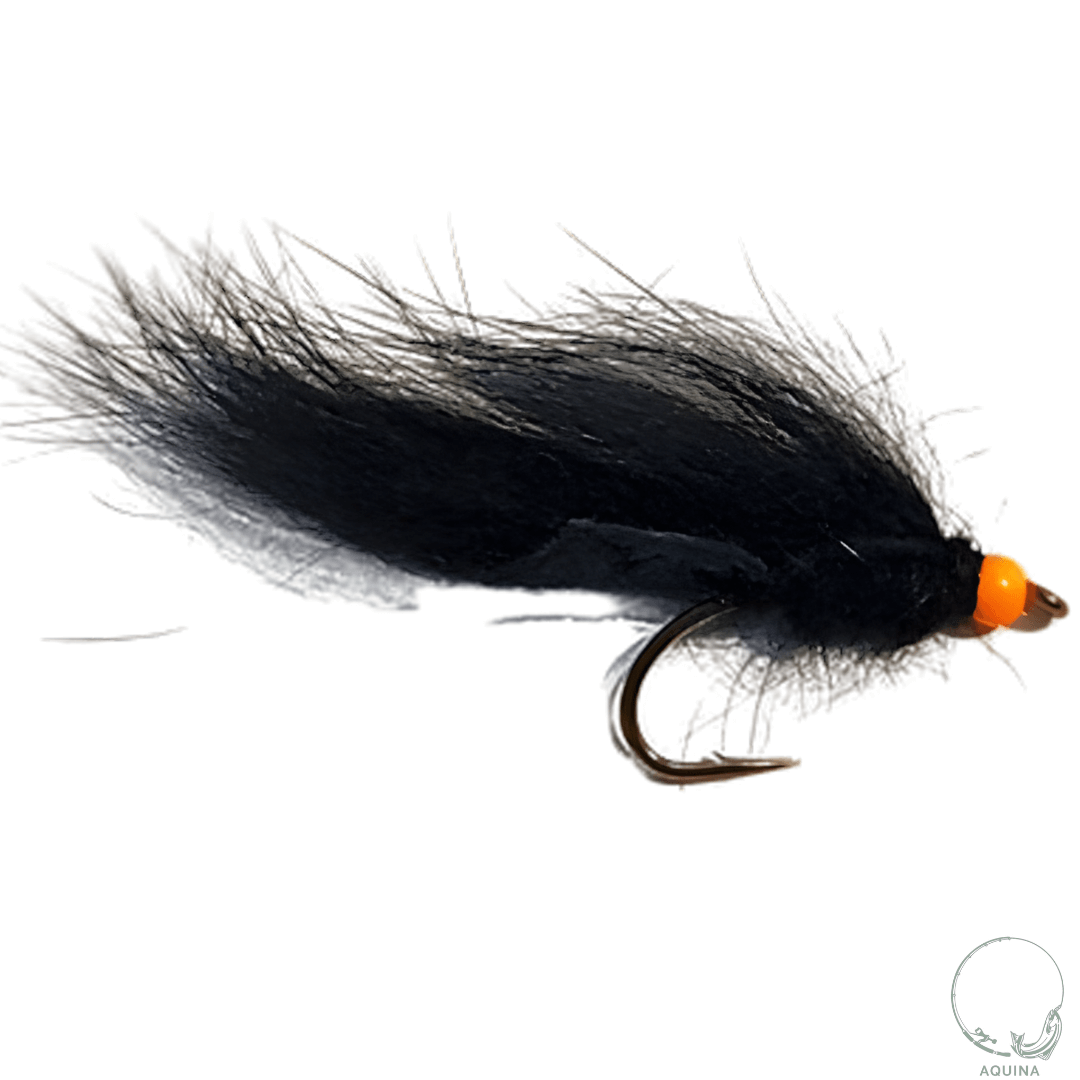
The Egg Sucking Leech stands as perhaps the most iconic Alaska pattern ever created for salmon fishing. Notably, this legendary fly has accounted for more salmon catches than nearly any other pattern, making it essential in every angler's box.
Egg Sucking Leech Key Features
- Purple or black body with bright egg head (typically hot pink or red)
- Marabou tail for lifelike movement
- Hackle collar providing undulation
- Often tied with peacock herl body for added flash
- Weighted head version available for deeper presentations
Egg Sucking Leech Ideal Conditions
This versatile pattern performs well in various water conditions but truly shines in slow-moving pools where Coho gather. I've found it exceptionally productive in tailouts where salmon often hold. The pattern works in both clear and slightly stained water, though its bright egg head makes it visible even in challenging conditions.
Egg Sucking Leech Best Season
Fall remains the prime time for this pattern as spawning season approaches. The fly imitates something not actually found in nature—a leech attempting to swallow a salmon egg—yet triggers aggressive strikes from protective fish. Early spring can likewise yield excellent results when fishing for kelts.
Egg Sucking Leech Recommended Size
Size #2 hooks work perfectly for silver salmon, whereas size #4 proves better suited for pink salmon. For larger Coho specimens, consider sizing up to #1/0.
Egg Sucking Leech Rigging & Presentation
This pattern excels with multiple presentations. In cold water conditions, dead-drift it drag-free downstream. As temperatures rise, cast upstream of your target, allow it to sink briefly, then employ short strips with intermittent pauses. The takes are typically strong and aggressive.
How Egg Sucking Leech Works
The bright egg head attracts attention while the leech body creates lifelike movement that triggers predatory instincts. Even without actual leeches consuming eggs in nature, this pattern's contrasting colors and movement consistently fool fish into striking.
3. Woolly Bugger
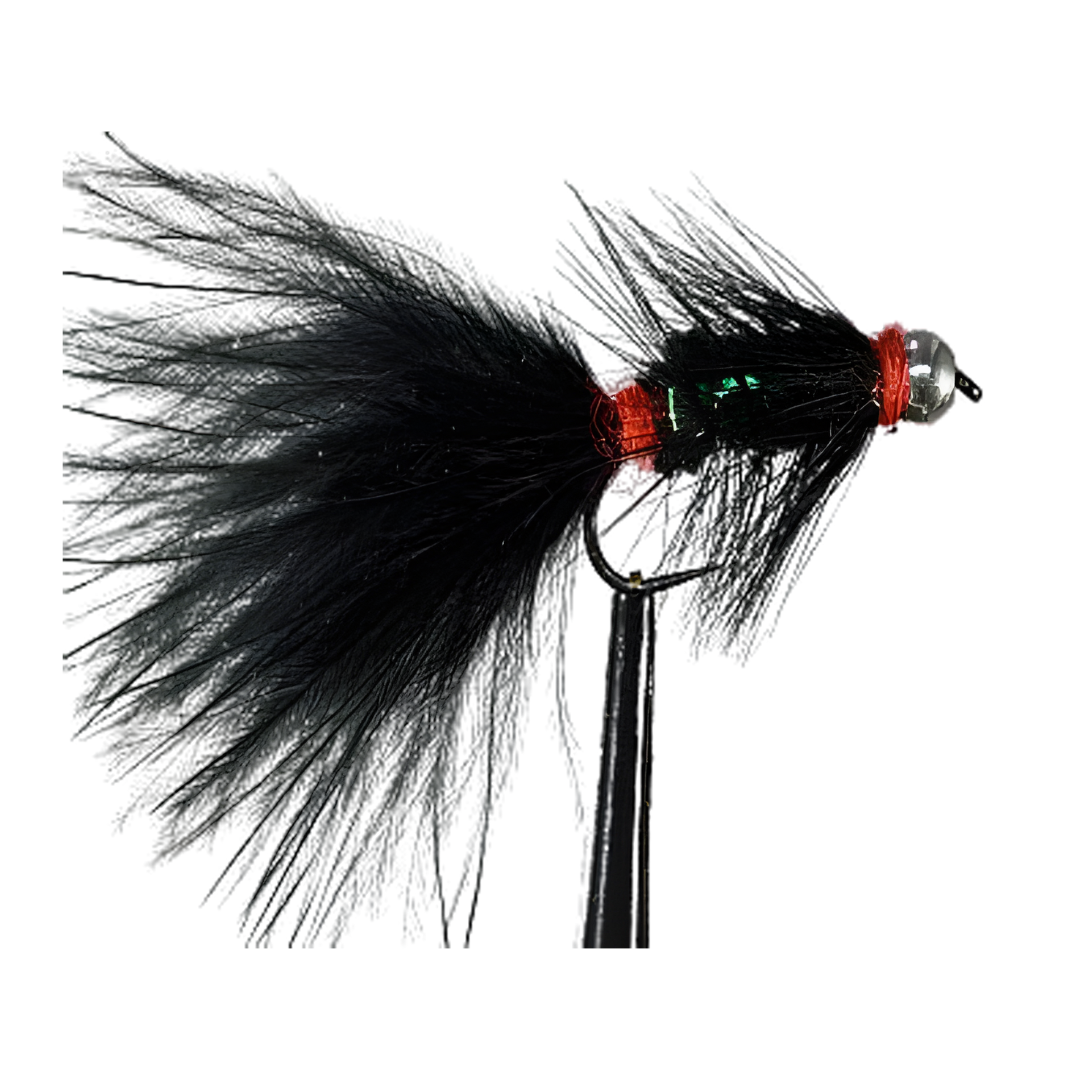
Few flies match the legendary versatility of the Woolly Bugger for targeting Coho salmon. This time-tested pattern, available in various colors, has earned its reputation as one of the most effective searching patterns in any angler's arsenal.
Woolly Bugger Key Features
- Marabou tail providing lifelike pulsing action
- Palmered hackle creating water-pushing profile
- Optional bead/cone head for added weight
- Variety of colors (pink, black, purple, white) for different conditions
- Simple yet devastatingly effective design
Woolly Bugger Ideal Conditions
The Woolly Bugger excels in numerous fishing scenarios. For Coho, it performs exceptionally well in slow, deep runs with even flow where silvers often hold. These unpressured resting areas yield consistent success rates, considering Cohos respond aggressively to stripped flies regardless of size or color.
Woolly Bugger Best Season
Fall remains prime time for this pattern, with olive crystal flash Woolly Buggers tied with weighted gold bead heads on size 8 nymph hooks proving remarkably productive. Nevertheless, black variations often outperform others as temperatures drop, making them excellent late-season choices.
Woolly Bugger Recommended Size
Sizes range from #16 to #2 extra long, with #8-#6 being optimal for Coho salmon. Dress them sparsely, as overly bulky patterns typically underperform when targeting silvers.
Woolly Bugger Rigging & Presentation
Rig with a floating line and long (15+ foot) leader for maximum effectiveness. Subsequently, let the weighted fly sink briefly before beginning your retrieve. Vary between short, quick strips and slower presentations until you identify what triggers strikes. Keep your line tight for better strike detection.
How Woolly Bugger Works
The pattern's genius lies in its ability to imitate multiple food sources - leeches, baitfish, stoneflies, and more. Indeed, the combination of marabou tail and undulating hackle creates irresistible movement that triggers Coho's predatory instinct even when they're not actively feeding.
4. Starlight Leech

Originally crafted for steelhead, the Starlight Leech has evolved into one of Alaska's premier coho salmon flies, possibly accounting for more silver salmon catches than any other pattern in the past decade.
Starlight Leech Key Features
- Heavy brass/nickel eyes that sink quickly
- Rabbit strip tail creating dynamic movement underwater
- Crystal/opal body with striking color contrast
- Available in various color combinations (purple/pink with red head being most popular)
- Optional lead wraps for additional weight
Starlight Leech Ideal Conditions
The Starlight Leech excels when coho are holding in deep runs, making it perfect for reaching fish in challenging locations. Moreover, this versatile pattern performs remarkably well throughout Northwest waters for multiple species including silvers, chums, and steelhead.
Starlight Leech Best Season
Given its effectiveness, this pattern shines throughout the silver salmon season in Alaska. In essence, it serves as a reliable year-round pattern that maintains its fish-catching abilities across seasons.
Starlight Leech Recommended Size
Most anglers opt for sizes 2-4, with size 2 being the standard choice for average coho conditions.
Starlight Leech Rigging & Presentation
The pattern demands a distinctive jigging retrieve to maximize its effectiveness. As a result, the weighted eyes create a pronounced jigging action that consistently triggers aggressive strikes from salmon.
How Starlight Leech Works
The secret behind this pattern's success lies in its perfect combination of weight, movement, flash, and color. Consequently, the rabbit strip tail "comes to life" underwater, creating irresistible action that coho simply cannot ignore.
5. Popsicle
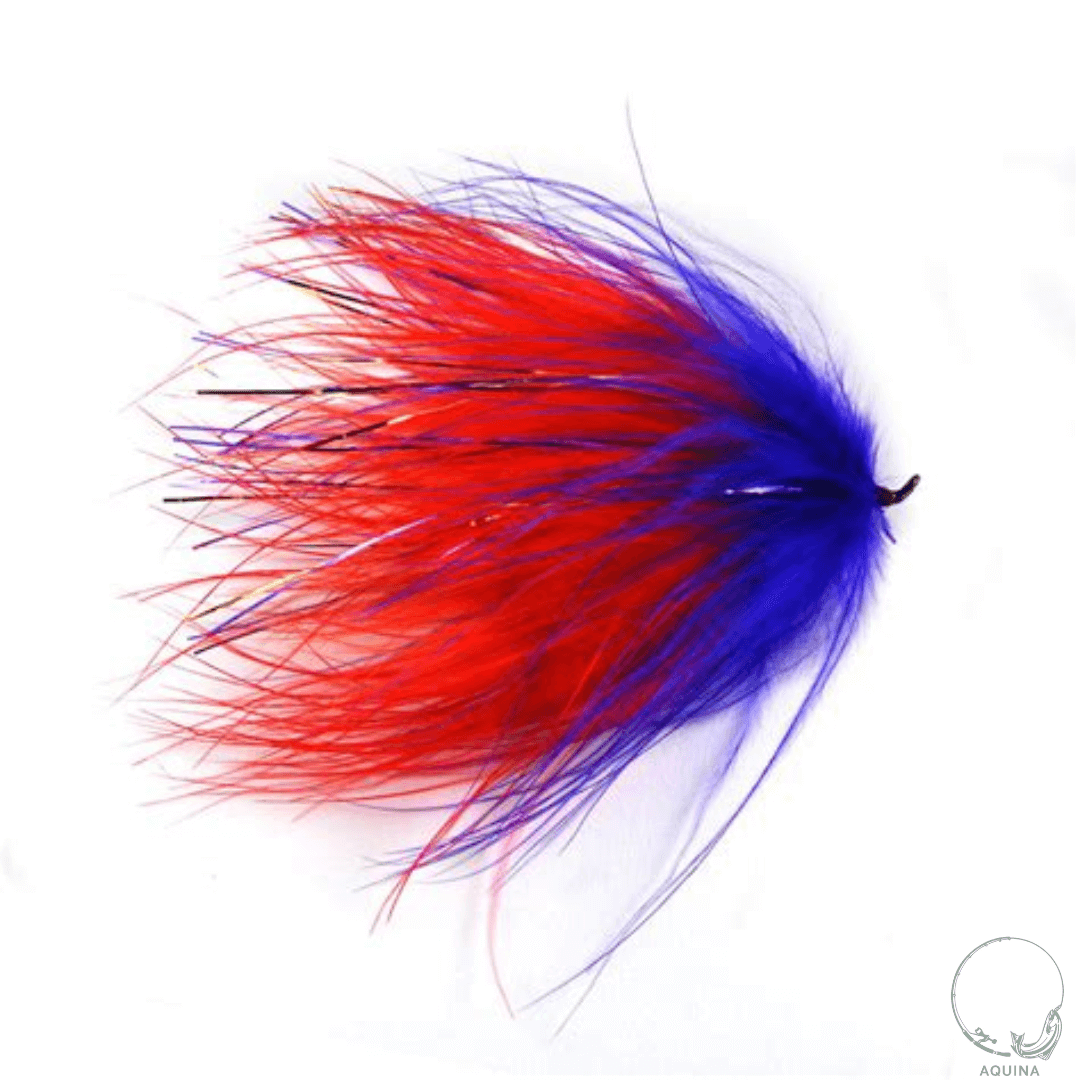
Created by George Cook in the 1980s as part of his Alaskabou Series, the Popsicle has become a staple for silver salmon anglers throughout Alaska and the Pacific Northwest. This bold, colorful pattern triggers dramatic strikes from coho salmon with its eye-catching design.
Popsicle Key Features
- Marabou body that swims and undulates naturally in water
- Perfect amount of flash to attract attention
- Typically features orange, pink, and purple color combination
- Heavily weighted cone head (often chartreuse)
- Bunny variant uses rabbit strip for enhanced durability
Popsicle Ideal Conditions
The Popsicle performs exceptionally well when swung through deeper holding water. Since it's weighted, this pattern excels at reaching fish in various water columns. It remains effective in both clear and slightly stained conditions, making it versatile throughout changing river situations.
Popsicle Best Season
Primarily a summer and fall pattern, the Popsicle shines when targeting fresh-run silvers. It has proven itself as a top producer during August and September in Bristol Bay, Alaska. However, the pattern also excels for winter steelhead.
Popsicle Recommended Size
Standard sizes range from 3/0 to 2, with size 1/0 being most common for coho salmon. Size 2 works well on Mustad Signature hooks with 30 wraps of lead-free wire for proper depth.
Popsicle Rigging & Presentation
Fish this pattern on a sink-tip line with a relatively short (approximately 4-foot) fluorocarbon leader. The fly should be swung with occasional strips to enhance the marabou's movement. Let the weighted head work to create a jigging motion that triggers strikes.
How Popsicle Works
The combination of orange, pink, and purple "drives fish crazy". Plus, the marabou's lifelike undulation creates the perfect prey imitation. Thus, strikes are rarely subtle – expect aggressive takes requiring immediate net readiness.
6. Dolly Llama

The Dolly Llama has emerged as Alaska's premier fly pattern, surpassing even the Egg Sucking Leech in popularity for both trout and salmon fishing. Designed with a heavy cone head and flowing rabbit body, this pattern creates an irresistible combination that proves deadly effective across multiple species.
Dolly Llama Key Features
- Heavy cone head creating fast sink rate
- Flowing rabbit strip body providing lifelike movement
- Articulated design with trailing stinger hook
- Available in various color combinations
- Weight of cone proportioned perfectly to length
Dolly Llama Ideal Conditions
The Dolly Llama excels in larger rivers when fish display aggressive feeding behavior. Essentially, this pattern works wonders for slamming into log jams and extracting trophy fish from deep holding areas. Its versatility allows it to perform well across diverse water conditions.
Dolly Llama Best Season
Year-round effectiveness makes this pattern a staple in fly boxes, yet it particularly shines during Coho salmon season. Many anglers consider it the ultimate "all-around" pattern for Alaska fishing throughout the calendar year.
Dolly Llama Recommended Size
Size #2 remains the overall best choice for silver salmon. Smaller variants (#6 Tungsten Mini) work excellently for trout, while larger versions (#1/0 Mega) target king salmon or trophy silvers.
Dolly Llama Rigging & Presentation
This versatile fly can be fished using standard streamer techniques—cast out with rod tip down and strip it back. Alternatively, employ hi-sticking to drift it along the bottom, adding occasional jigging motions. Despite being heavy and sometimes difficult to cast, shorter leaders (6-7.5') improve casting performance with floating lines.
How Dolly Llama Works
The secret lies in its perfect combination of weight and movement—"if you can get it in the water, it will fish itself". Clearly, the weighted cone head coupled with the undulating rabbit strip creates an action that consistently triggers aggressive strikes from predatory fish.
7. Clouser Minnow

Bob Clouser's ingenious creation ranks among the most successful fly patterns ever designed, with anglers reportedly using it to catch over 86 species worldwide. Love the Clouser Minnow? Get premium quality Clouser Minnows for your next coho salmon fishing adventure at aquinaflies.com.
Clouser Minnow Key Features
- Strategically placed lead eyes causing hook to ride point-up
- Sparse bucktail wings creating realistic profile
- Inverted design (white wing on top, colored wing below)
- Flash material enhancing visibility
- Dives and darts with lifelike motion
Clouser Minnow Ideal Conditions
This pattern excels in estuaries and open ocean environments where coho are actively feeding. Plus, it performs exceptionally well when swung through deep pools where silvers roll. Even in frog-water sections of river systems, its weighted design allows it to sink effectively.
Clouser Minnow Best Season
Fall remains prime time, yet this pattern produces consistently throughout summer runs. Generally, anglers experience highest success rates during early morning hours when targeting fresh-run fish.
Clouser Minnow Recommended Size
Sizes vary from #8 to #2/0, with #4-#2 being optimal for most coho conditions. Size #1 Tiemco 811S hooks work perfectly for standard patterns.
Clouser Minnow Rigging & Presentation
Fish with floating line and long leader for maximum effectiveness. Alternatively, intermediate lines work well in deeper water. The presentation should include erratic, short strips with occasional pauses.
How Clouser Minnow Works
The pattern's genius lies in its jigging action that perfectly imitates injured baitfish. According to experienced guides, this sparse profile coupled with strategic weight placement creates more aggressive movement than similar flies tied with fluffier materials.
8. Copper Head Coho Fly
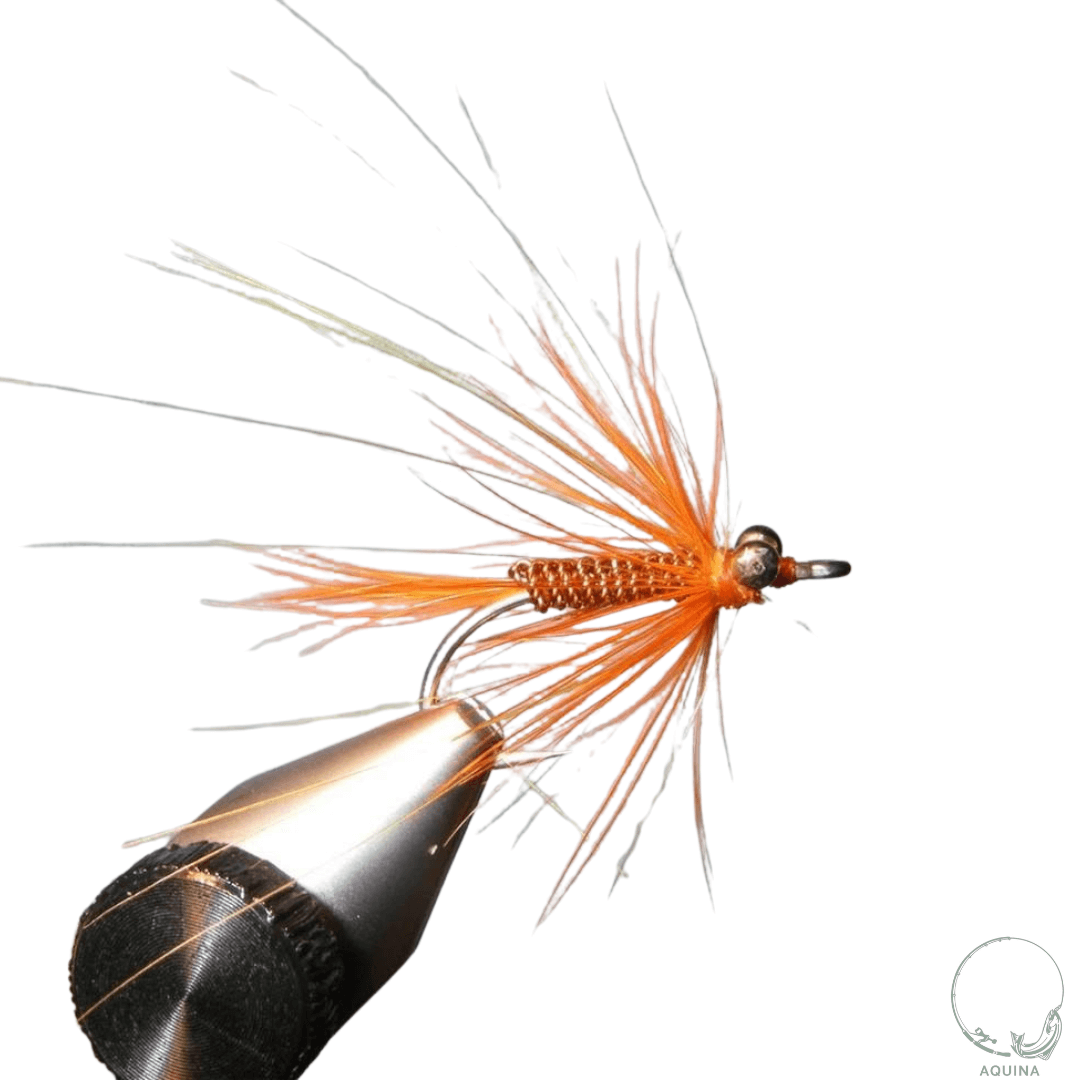
UV copper components make the Copper Head Coho Fly uniquely effective for targeting silvers that show little interest in chasing other patterns. This specialized pattern excels at enticing reluctant Coho in situations where standard flies prove ineffective.
Copper Head Coho Fly Key Features
- Mustad 3906B #6 hook
- Hot orange thread base
- Orange silver-lined bead
- UV Copper Olive Polar Chenille body
- Minimal materials design
Copper Head Coho Fly Ideal Conditions
Clear, slow-flowing water creates perfect conditions for this pattern, which performs admirably when Coho seem uninterested in more active presentations. Obviously, this fly shines in situations where fish have grown wary of traditional patterns or when fishing pressure has made them selective.
Copper Head Coho Fly Best Season
Yet this pattern remains consistently productive throughout the Coho salmon run, with peak effectiveness occurring when fish are actively staging but not aggressively chasing.
Copper Head Coho Fly Recommended Size
Size #6 on Mustad 3906B hooks represents the standard configuration, following the "less is more" philosophy that often proves successful with selective Coho.
Copper Head Coho Fly Rigging & Presentation
Fish using a sink-tip line paired with a fluorocarbon leader employing steady retrieves. Still, the presentation should be slower than typical Coho patterns, allowing the UV qualities to attract attention without aggressive movement.
How Copper Head Coho Fly Works
The UV Copper components create a subtle yet irresistible attraction that "turns on" otherwise uninterested fish. Simultaneously, its simple design allows for natural movement in the water without overwhelming cautious Coho.
9. Pink Pollywog

The Pink Pollywog stands as the classic Alaskan dry fly for targeting surface-feeding silver salmon. Whenever Coho are in the mood to attack topwater patterns, this eye-catching creation consistently delivers explosive, cartwheeling strikes that make fly fishing so thrilling.
Pink Pollywog Key Features
- Foam-topped head that pushes water and creates wake
- Spun deer hair body providing essential buoyancy
- Flash in the tail for added attraction
- Hot pink coloration throughout
- Size #2 hook standard configuration
Pink Pollywog Ideal Conditions
This pattern performs exceptionally well when cast through resting schools of silvers in calm water sections. Even undisturbed fish will often attack this surface offering with remarkable aggression.
Pink Pollywog Best Season
August through early October represents prime time, coinciding with peak silver salmon runs in Alaska and the Pacific Northwest.
Pink Pollywog Recommended Size
Size #2 remains standard across most variations.
Pink Pollywog Rigging & Presentation
Fish with shorter leaders (7'6" using 16-pound test) for optimal control. Cast beyond resting fish, then skate the fly across the surface with light twitches.
How Pink Pollywog Works
The foam head creates surface disturbance that silvers simply cannot resist. Currently, many anglers prefer popper-body variants as they maintain buoyancy better than traditional deer hair versions which can become waterlogged after multiple fish.
10. Rolled Muddler

Originating from British Columbia, the Rolled Muddler created by Tom Murray has become a standout performer for Coho salmon in both rivers and estuaries. This versatile pattern exists in two main variants—the naked (natural) version and the increasingly popular pink version.
Rolled Muddler Key Features
- Slim, lightly dressed profile with streamlined head
- Spun deer hair head (small and rounded)
- Opal Mylar or Silver Sparkle Braid body
- Flashabou and mallard flank components
- Optional bead/bead chain eyes (for "flipped" version)
- Available in natural, pink, blue, or other colors
Rolled Muddler Ideal Conditions
The Rolled Muddler performs exceptionally well in low, clear water conditions where other patterns might spook fish. Upon fishing this pattern in the Harrison River, anglers found it worked wonderfully for Coho without snagging other salmon species.
Rolled Muddler Best Season
Fall represents the prime time for this pattern, corresponding with Coho runs in rivers throughout the Pacific Northwest. Given its effectiveness, many anglers consider it their "hands-down favorite" for river Coho.
Rolled Muddler Recommended Size
Most tiers utilize hooks in sizes #8-6, with Mustad R74 #6 being a popular choice for the flipped version.
Rolled Muddler Rigging & Presentation
The standard version works best with a floating line and longer leader, yet the "flipped" version (with bead chain eyes) rides with the hook point up, reducing snags.
How Rolled Muddler Works
The pattern's effectiveness stems from its slender profile that mimics small baitfish or sculpins. Henceforth, the flipped version's inverted presentation creates a unique action that consistently triggers strikes from Coho.
11. Hareball Leech

Arguably the most versatile pattern in Alaska's fly arsenal, the Hareball Leech has earned its reputation as a game-changer for anglers pursuing silvers. This remarkably durable fly withstands multiple fish and maintains its fish-catching profile throughout extended fishing sessions.
Hareball Leech Key Features
- Rabbit strip body creating lifelike undulation underwater
- Medium to large dumbbell eyes for quick sink rate
- Flashabou tail providing attractive shimmer
- Schlappen collar adding pulsating movement
- Available in multiple color combinations (black, pink, purple, chartreuse)
Hareball Leech Ideal Conditions
This pattern excels in pocket water and performs exceptionally well when swung on sink-tips. In fact, the Hareball consistently delivers in off-colored water or low-light situations where visibility becomes challenging for other patterns.
Hareball Leech Best Season
Year-round effectiveness makes this a staple in fly boxes across Alaska. Without question, it remains a primary choice throughout coho season from summer through fall.
Hareball Leech Recommended Size
Hook sizes range from #6 to #1/0, with #4 being standard on Daiichi 2141 salmon hooks. Larger sizes (#1/0) work wonderfully for aggressive silvers in deeper water.
Hareball Leech Rigging & Presentation
Fish on sink-tips with short (4-5 foot) fluorocarbon leaders. Cast across current and swing, occasionally adding slight strips to enhance movement.
How Hareball Leech Works
The combination of rabbit strip movement and flash creates an irresistible profile that triggers predatory responses from silvers even in challenging conditions.
12. Coho Candy

Epoxy construction distinguishes the Coho Candy fly from traditional patterns, creating a durable, translucent baitfish imitation that silvers find irresistible. Stock up on Coho Candy flies and other effective coho salmon patterns at aquinaflies.com before your next fishing trip.
Coho Candy Key Features
- Heavy rabbit strip streamer tied on jig hook
- Translucent epoxy coating for durability
- Available in pink and purple/pink colors
- Flat silver mylar tinsel body
- Crystal/flash underwing enhancing visibility
- 3D prism eyes for realistic appearance
Coho Candy Ideal Conditions
Primarily effective in both saltwater and freshwater environments. The pattern excels when targeting active fish in estuaries or clear flowing water. Its translucent profile makes it ideal for cautious fish in pressured waters.
Coho Candy Best Season
Early fall coincides with peak effectiveness, yet the pattern remains productive throughout late summer silver salmon runs.
Coho Candy Recommended Size
Standard sizes range from #6 to #2, typically tied on jig hooks to enhance the swimming action and reduce snagging.
Coho Candy Rigging & Presentation
Fish with intermediate sink-tip lines to maintain proper depth control. Cast across current, allowing the fly to swing naturally before adding occasional strips to imitate a wounded baitfish. The jig hook design enables the pattern to ride hook-point-up, minimizing bottom snags.
How Coho Candy Works
The epoxy coating creates a sleek, fish-like profile that perfectly mimics small baitfish. Upon retrieving, the rabbit strip tail provides lifelike undulation that triggers predatory responses from coho salmon. Even after multiple fish, the durable epoxy construction maintains its fish-catching profile.
13. Coho Comet

Among the most reliable patterns in an Alaskan guide's arsenal, the Coho Comet earns its reputation through consistent performance when targeting silver salmon. This bright, attractive pattern has loyal followers throughout the Pacific Northwest.
Coho Comet Key Features
- Bright marabou creating lifelike movement
- Classic, proven silhouette
- Quick-sinking profile
- Simple yet highly effective design
- Available in various productive colors
Coho Comet Ideal Conditions
The Coho Comet performs admirably across diverse fishing scenarios, ranging from coastal beaches to inland rivers. Given its versatility, this pattern excels in both clear and slightly stained water. As per many experienced anglers, it works exceptionally well in low-water conditions when fish become more selective.
Coho Comet Best Season
Fall represents prime time for this pattern, yet its effectiveness extends throughout the entire silver salmon season. Of course, many anglers consider it essential during peak Coho runs in Alaska and along the West Coast.
Coho Comet Recommended Size
Standard sizes typically follow conventional salmon fly dimensions, with most commercial patterns tied on suitable hooks for targeting average-sized silvers.
Coho Comet Rigging & Presentation
Best fished using single-hand rods equipped with intermediate or sinking lines. Simply strip the fly with moderate speed to maximize the marabou's action. At times, varying retrieval pace identifies what triggers strikes on any given day.
How Coho Comet Works
The bright marabou creates irresistible movement that silver salmon actively chase. Once again, its effectiveness stems from combining attractive colors with a profile that sinks quickly into the strike zone.
14. Pink Flash Fly
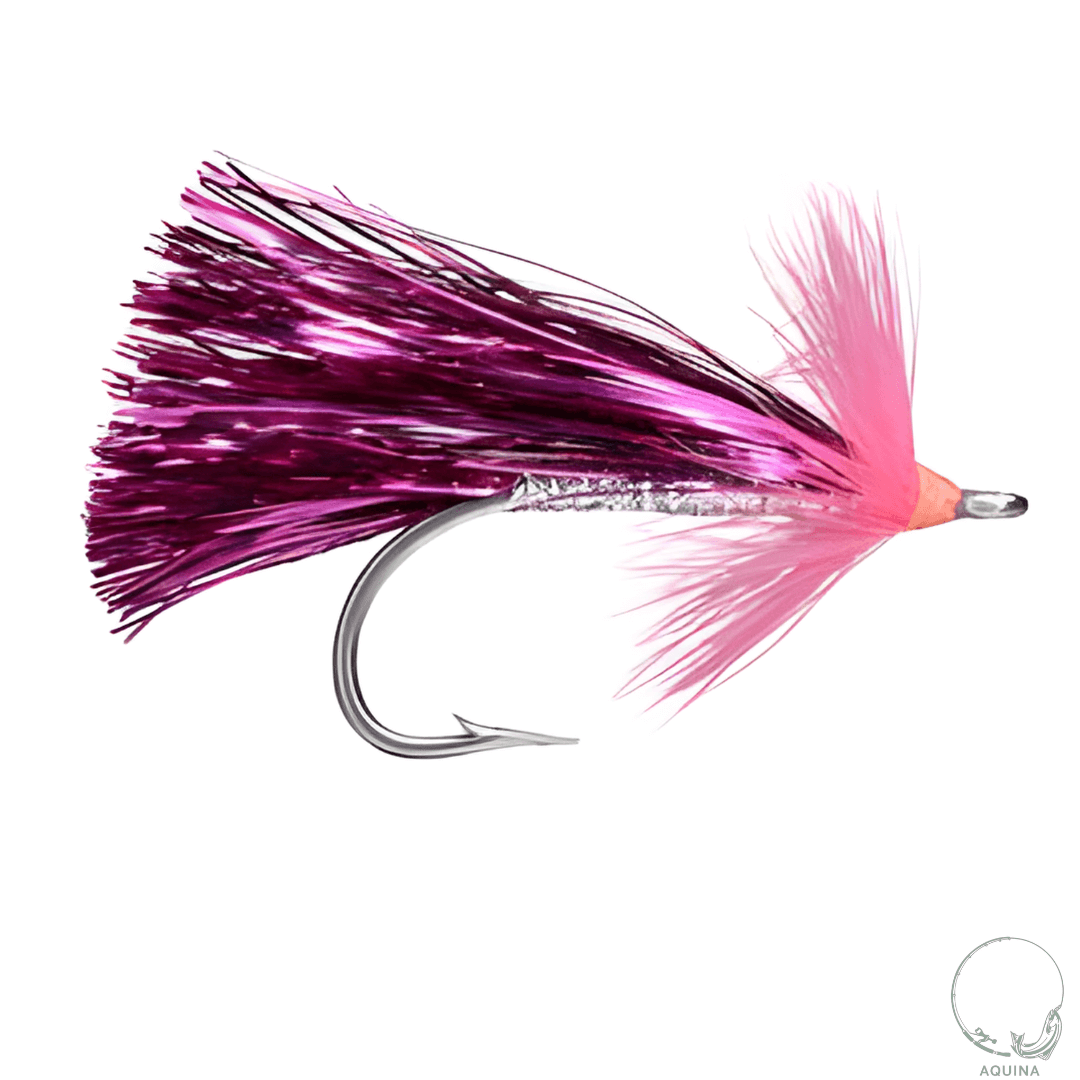
Silvers famously chase after the Pink Flash Fly, a custom-designed pattern that combines two elements coho salmon simply cannot resist—flash and the color pink. Designed as an exclusive by Alaska Fly Fishing Goods, this pattern has earned its place among top coho salmon flies through consistent performance.
Pink Flash Fly Key Features
- Custom version of the classic Flash Fly design
- Bright pink coloration that attracts silvers
- Flash material that catches and reflects light
- Simple yet highly effective construction
- Durable materials that withstand multiple fish
Pink Flash Fly Ideal Conditions
This pattern performs exceptionally well in various water conditions where silvers are actively feeding. Primarily effective when fished in areas where coho are rolling or showing signs of activity. The bright coloration makes it visible even in slightly stained water.
Pink Flash Fly Best Season
Fall represents the optimal time for this pattern, aligning with peak silver salmon runs throughout Alaska and the Pacific Northwest.
Pink Flash Fly Recommended Size
Available in size 1/0, which provides the ideal profile for targeting average-sized coho salmon.
Pink Flash Fly Rigging & Presentation
Fish with a floating line and medium-length fluorocarbon leader for best results. Cast across current and allow the pattern to swing naturally before adding occasional strips to imitate wounded baitfish. The flash material creates enticing movement even with minimal manipulation.
How Pink Flash Fly Works
The combination of flash and pink coloration triggers aggressive strikes from silvers. Naturally, the pattern's ability to catch and reflect light makes it highly visible to coho salmon, often provoking reaction strikes even when fish aren't actively feeding. The relatively simple design creates a profile that coho find irresistible.
15. Hoh Bo Spey
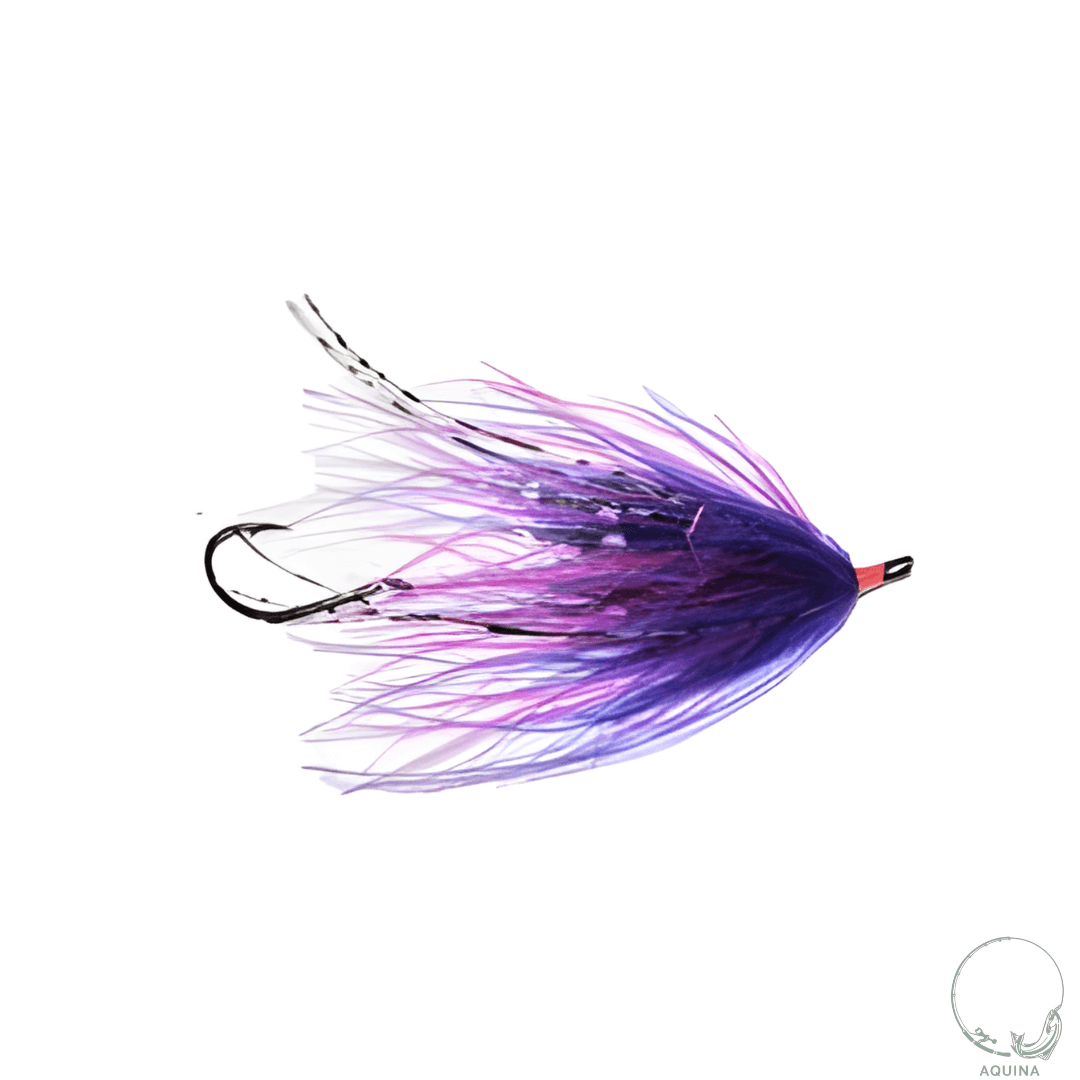
Designed by Charles St. Pierre for the famous rivers of Washington's Olympic Peninsula, the Hoh Bo Spey has transcended its steelhead origins to become a formidable pattern for coho salmon. Its name derives from two legendary steelhead waterways—the Hoh and Bogachiel rivers.
Hoh Bo Spey Key Features
- Lightly dressed marabou collar creating lifelike action
- Synthetic dubbed body that shimmers through water
- Guinea and Lady Amherst collar adding depth
- Unweighted design for smooth swing
- Tied on a Waddington or similar shank
- Available in various color combinations
Hoh Bo Spey Ideal Conditions
Initially designed for Pacific Northwest steelhead, the Hoh Bo Spey excels when swung through medium to fast currents. Its unweighted profile makes it perfect for fishing shallow runs where silvers hold. Primarily, this pattern performs best in clear water conditions where its silhouette and movement can be fully appreciated.
Hoh Bo Spey Best Season
Year-round effectiveness makes this pattern a staple in many anglers' boxes, yet it shines brightest during fall coho runs. Fundamentally, it's an all-season producer that works exceptionally well when silver salmon are actively taking swung flies.
Hoh Bo Spey Recommended Size
Standard sizes utilize 25mm Waddington shanks connected to size 2 Intruder-style hooks. The pattern can be scaled up or down depending on water conditions and target species.
Hoh Bo Spey Rigging & Presentation
Cast down-and-across and allow the fly to swing through the current naturally. The pattern fishes beautifully on sink tips or with floating lines and long leaders. Therefore, minimal manipulation is required—let the current bring the materials to life.
How Hoh Bo Spey Works
The magic happens as water flows through the materials, causing the marabou and feather collar to pulse enticingly. Each component contributes distinct movement, flash, and translucency that combine to create an irresistible presentation greater than the sum of its parts.
16. California Neil
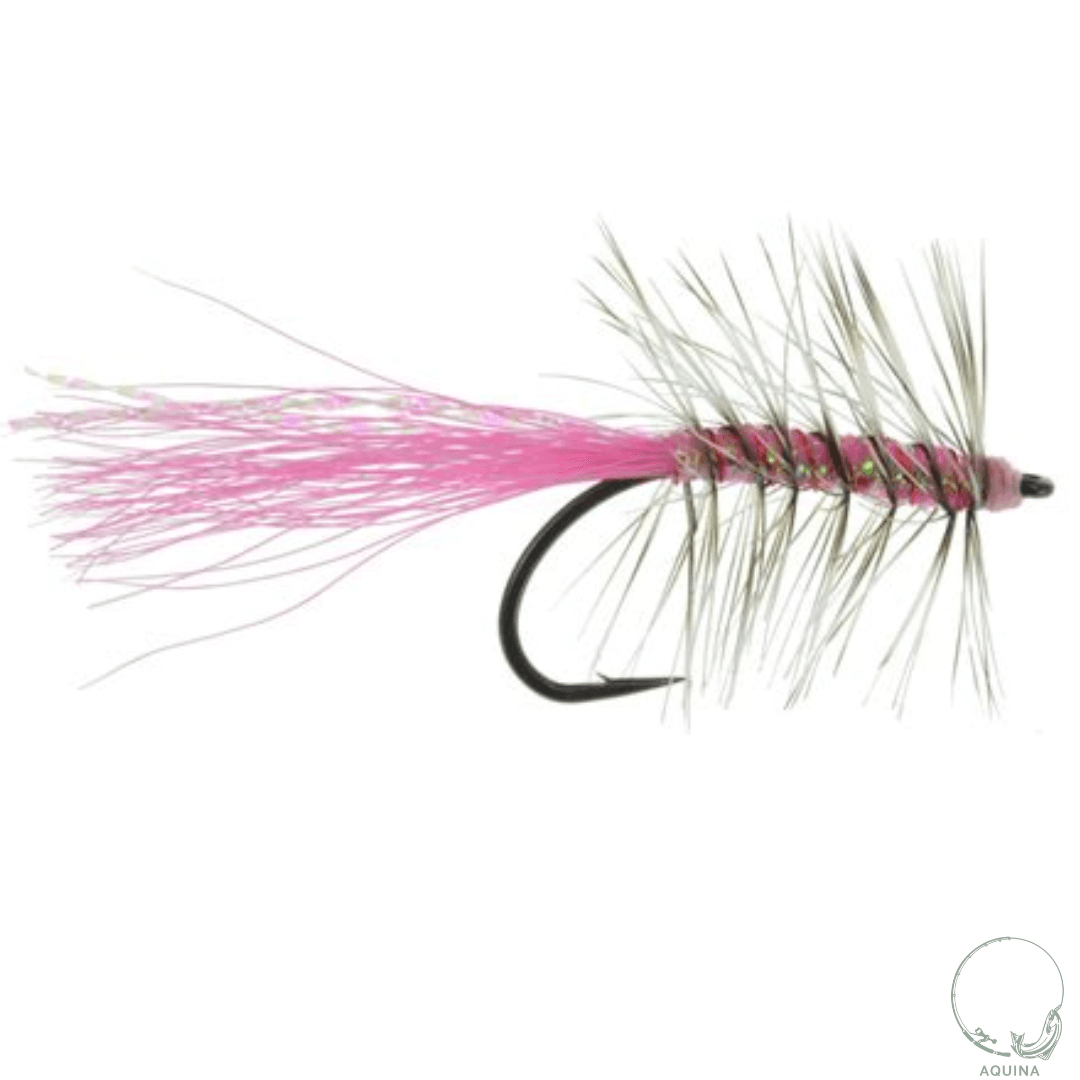
The California Neil earns its place as a must-have pattern in any coho salmon fly box, standing out as a top producer for beach fly fishing enthusiasts. Named after its creator from California, this versatile pattern has become increasingly popular throughout Pacific Northwest waters.
California Neil Key Features
- Sparse Polar Bear hair tail (Bucktail as substitute)
- Small gold brass bead option for deeper presentations
- Natural translucency in materials
- Available in blue, chartreuse, and pink variations
- Typically tied with Mylar body and grizzly hackle
California Neil Ideal Conditions
This pattern truly shines when targeting coho staging off river mouths in fall. Beyond that, it proves highly effective in low and clear river conditions when silvers might be more selective. Many anglers consider it an essential year-round choice for searun cutthroat as well.
California Neil Best Season
Primarily a fall pattern, yet effective throughout the entire coho salmon season. The original pattern wasn't very durable at all, yet modern variations with epoxy reinforcement withstand multiple fish.
California Neil Recommended Size
Typically tied in sizes 10 and 8, with some size 6 variants for situations requiring a slightly larger profile.
California Neil Rigging & Presentation
Fish with a full floating line and 10' clear intermediate poly leader. Alternatively, a full floating or clear intermediate line works well depending on water depth. Use a fairly slow, steady retrieve with 4–6-inch strips and short pauses between movements.
How California Neil Works
The magic happens through its perfect combination of sparse profile and natural materials. Ultimately, the translucency of the Polar Bear hair proves difficult to beat, creating lifelike movement that consistently triggers strikes.
17. Purple Peril

Ken McLeod's Purple Peril has been attracting steelhead and coho salmon in Northwest rivers for decades, becoming an essential pattern for serious anglers targeting either species.
Purple Peril Key Features
- Classic steelhead pattern dating back to mid-60s
- Purple hackle fibers tail
- Thin purple wool body
- Fine oval silver tinsel rib
- Red fox squirrel tail wing
- Optional jungle cock eyes
- Black head finish
Purple Peril Ideal Conditions
Remarkably, this versatile pattern shines most brightly when rivers become slightly off-colored. Its distinctive purple coloration makes it visible even in challenging visibility conditions. For this reason, many experienced steelheaders rely on it as their confidence fly when water clarity deteriorates.
Purple Peril Best Season
Summer and fall remain prime seasons for the Purple Peril, making it an excellent choice for coho salmon runs. Thanks to research by Dr. Colin Kageyama, we now understand why this pattern performs consistently—salmon eyes physically change as they mature, affecting how they perceive colors.
Purple Peril Recommended Size
Traditional sizes range from 2/0 down to 8, yet many anglers prefer size 6 for versatility across different water conditions.
Purple Peril Rigging & Presentation
For optimal results, fish this pattern on a greased line with a 9-12 foot leader using a classic across-and-down presentation. After the swing, begin stripping fast to trigger aggressive strikes.
How Purple Peril Works
The sparse profile enables effective fishing throughout the water column where coho are holding. In addition, updated versions in 2024 match the original design more closely, ensuring its continued effectiveness.
18. Mickey Finn

The Mickey Finn is a historic bucktail streamer that has maintained its effectiveness for over a century. Originally known as the “Red and Yellow,” this high-contrast pattern remains a dependable searching fly for coho salmon, particularly when fish respond to bold color triggers rather than natural imitation.
Mickey Finn Key Features
- Classic red and yellow bucktail wing
- Silver tinsel body for reflective flash
- Slim baitfish profile
- Optional silver ribbing for durability
- Red thread head
- Traditionally tied on streamer hooks (sizes 2–8)
Mickey Finn Ideal Conditions
This pattern performs best in clear to slightly stained water where its sharp red and yellow contrast creates strong visibility. The metallic body reflects available light, making it especially effective under bright skies or when targeting actively moving fish in rivers and estuaries.
Mickey Finn Best Season
Summer and fall salmon runs provide optimal opportunities. The fly excels during early run periods when coho are aggressive and responsive to bright attractor patterns.
Mickey Finn Recommended Size
Commonly tied in sizes 2 through 8. Size 4 or 6 offers a balanced profile suitable for most river applications.
Mickey Finn Rigging & Presentation
Fish on a floating or intermediate line with a 9–12 foot leader. Present using a traditional swing across current, followed by short, sharp strips to imitate a fleeing baitfish. It also performs well with steady retrieves in estuary environments.
How Mickey Finn Works
The bold chromatic contrast stimulates territorial and predatory responses. Its sparse construction allows efficient movement through the water column, while the reflective tinsel body enhances visibility from distance. The pattern’s simplicity contributes to consistent action and reliable hook penetration.
19. Surf Candy

Bob Popovics’ Surf Candy is a modern saltwater streamer engineered to imitate slender baitfish with extreme realism and durability. Its translucent epoxy body and sparse synthetic wing create a lifelike profile that excels when coho salmon are feeding on small, fast-moving forage in estuaries and nearshore environments.
Surf Candy Key Features
- Epoxy or UV-resin coated translucent body
- Slim, aerodynamic baitfish profile
- Synthetic wing materials (often Super Hair or similar fibers)
- Pearl or silver flash accents
- Prominent 3D adhesive eyes
- Highly durable construction resistant to repeated strikes
Surf Candy Ideal Conditions
This pattern performs exceptionally well in clear water where coho are visually tracking baitfish. Its reflective and translucent qualities mimic anchovies, herring, and other juvenile forage species. It is particularly effective in tidal currents, beaches, and river mouths.
Surf Candy Best Season
Late summer through fall during coastal and estuary coho migrations. It is most productive when salmon are actively feeding in salt or brackish water prior to fully committing to freshwater systems.
Surf Candy Recommended Size
Typically tied in sizes 2 to 6. Smaller profiles (size 4–6) match juvenile baitfish, while larger versions provide a more pronounced silhouette in low-light conditions.
Surf Candy Rigging & Presentation
Fish on an intermediate or fast-sinking line with a 9–12 foot leader. Use quick, sharp strips with occasional pauses to replicate the darting movement of fleeing baitfish. In current seams, allow the fly to swing slightly before initiating an erratic retrieve.
How Surf Candy Works
The translucent body refracts light in a manner similar to natural baitfish scales, while the sparse synthetic fibers maintain a consistent profile even at higher retrieve speeds. Its streamlined design reduces drag, enabling rapid presentations that align with the aggressive chase behavior typical of coho salmon.
Comparison Table
The Coho Salmon Fly Patterns Comparison Table
| Fly Name | Key Features | Best Season | Recommended Size | Ideal Conditions |
|---|---|---|---|---|
| Coho Blue |
• Silver cone head • Blue/green bucktail wing over flash |
Fall | 4 to 1/0 | Slow “frog water,” back eddies |
| Egg Sucking Leech |
• Bright egg head • Marabou tail |
Fall | 2–4 (up to 1/0) | Slow pools, tailouts |
| Wooly Bugger |
• Marabou tail • Palmered hackle body |
Fall | 8–6 | Slow, deep runs |
| Starlight Leech |
• Heavy brass/nickel eyes •Rabbit strip tail |
Year-round | 2–4 | Deep runs |
| Popsicle (Bunny/Stinger) |
• Tri-color marabou profile • Weighted cone head |
Summer/Fall | 3/0–2 | Deep holding water |
| Dolly Llama |
• Articulated rabbit strip body • Heavy cone head |
Year-round | 2 | Large rivers, log jams |
| Clouser Minnow |
• Lead dumbbell eyes (point-up) • Sparse bucktail wings |
Fall | 8–2/0 | Estuaries, deep pools |
| Copper Head Coho Fly |
• UV copper chenille body • Orange bead head |
Throughout run | 6 | Clear, slow water |
| Pink Pollywog |
• Foam-topped head • Spun deer hair body |
Aug–Oct | 2 | Calm surface water |
| Rolled Muddler |
• Slim deer hair head • Opal/Mylar body |
Fall | 8–6 | Low, clear water |
| Hareball Leech |
• Rabbit strip body • Dumbbell eyes |
Summer–Fall (Year-round) | 6–1/0 | Pocket water, off-color water |
| Coho Candy |
• Epoxy-coated translucent body • 3D prism eyes |
Late Summer–Fall | 6–2 | Estuaries, clear water |
| Coho Comet |
• Bright marabou wing • Quick-sinking profile |
Fall | Standard salmon sizes | Rivers & beaches |
| Pink Flash Fly |
• Bright pink flash body • Reflective flash materials |
Fall | 1/0 | Active fish in mixed clarity |
| Hoh Bo Spey |
• Marabou collar • Unweighted shank design |
Fall (Year-round capable) | Size 2 (25mm shank) | Medium/fast current |
| California Neil |
• Sparse Polar Bear/bucktail tail • Optional small gold bead |
Fall | 10–6 | River mouths, clear rivers |
| Purple Peril |
• Thin purple wool body • Red fox squirrel wing |
Summer/Fall | 2/0–8 (6 common) | Slightly off-colored water |
| Mickey Finn |
• Red/yellow bucktail wing • Silver tinsel body |
Summer/Fall | 2–8 | Clear to lightly stained water |
| Surf Candy |
• Epoxy/UV translucent body • Slim synthetic baitfish profile |
Late Summer–Fall | 2–6 | Salt, estuaries, beaches |
Coho salmon undoubtedly offer some of the most exhilarating fly fishing experiences available, with their aggressive strikes and powerful fighting capabilities. Throughout this guide, we've explored 19 proven fly patterns that consistently trigger these explosive takes from silver-sided fighters.
These patterns work effectively because they combine essential elements that Coho find irresistible – bright colors (particularly hot pink), flash, and lifelike movement. The Starlight Leech has dominated Alaska's waters recently, while classics like the Egg Sucking Leech continue to produce reliable results year after year.
Your fly selection should adapt to the specific conditions you encounter. Clear water might call for a more subtle presentation like the Rolled Muddler, whereas slightly stained conditions often favor brighter patterns such as the Purple Peril. Water depth also dictates your choice – weighted patterns like the Dolly Llama excel at reaching deep-holding fish, while the Pink Pollywog creates surface disturbance that can trigger spectacular topwater strikes.
Hook sizes generally range from #8 to 1/0, with most productive patterns centered around #4-#2. Remember to dress these flies sparsely, as overly bulky patterns typically underperform when targeting Cohos.
Presentation techniques vary depending on the pattern and water conditions. Fast strips often trigger aggressive strikes, though at times a slower, more deliberate retrieve proves more effective. The fish will tell you what they want on any given day.
Fall remains prime time for targeting these silver-sided fighters, especially September and October when fresh-run fish flood into rivers throughout the Pacific Northwest. Alaska, British Columbia, and Columbia River basin waters all offer exceptional Coho opportunities during this period.
Whether you choose the vibrant Pink Flash Fly or the more subdued California Neil, the most important factor is fishing with confidence. We hope this comprehensive guide helps you connect with more silver salmon on your next fly fishing adventure. After all, few experiences match the thrill of a chrome-bright Coho aggressively attacking your carefully presented fly.
Conclusion
Fishing success for silver salmon extends beyond merely selecting the right patterns. Mastering proper presentation techniques proves equally vital when targeting these sometimes-finicky fighters. Even with hundreds of fish visible and jumping, getting one to bite can become frustratingly challenging at times. Simply switching fly colors or sizes might be the key difference between a slow day and an exceptional one.
Experienced anglers recognize that coho require different approaches than steelhead. Standing back from the water's edge pays dividends, as these curious fish often follow flies right to your feet before spooking upon seeing you. Similarly, retrieving your fly completely is crucial since silvers frequently chase patterns all the way to the bank.
For consistently productive results, focus on refining your technique with a small selection of dependable flies rather than constantly chasing new trends. Casting accuracy, quality drift, and patient presentation typically outweigh having dozens of untested patterns.
Pay attention to visibility conditions—coho often strike more aggressively with a couple feet of water visibility. When fish appear unresponsive, changing your retrieval pace can trigger sudden interest.
Ready to catch more coho salmon? Order these proven flies from aquinaflies.com and experience the difference quality flies make on your next fishing trip.
Key Takeaways
Master these essential insights to dramatically improve your coho salmon fly fishing success and trigger more explosive strikes from these silver-sided fighters.
- Color and flash are critical: Hot pink patterns with flash consistently outperform other colors, as coho salmon show a distinct preference for bright, eye-catching flies that trigger aggressive strikes.
- Sparse is superior: Tie flies with minimal bulk and materials - overly dressed patterns typically underperform when targeting selective coho salmon in various water conditions.
- Match your fly to water depth: Use weighted patterns like Dolly Llama for deep runs, surface flies like Pink Pollywog for topwater action, and adjust accordingly.
- Fall timing maximizes success: September and October represent peak coho season throughout the Pacific Northwest, when fresh-run fish flood rivers in amazing numbers.
- Presentation trumps pattern selection: Focus on proper retrieval techniques, casting accuracy, and staying back from water's edge rather than constantly switching flies.
The most productive coho flies combine bright colors, strategic flash placement, and lifelike movement. Whether you choose the legendary Starlight Leech or classic Egg Sucking Leech, confidence in your pattern and proper presentation technique will consistently produce more hookups with these exciting gamefish.
Faqs About Coho Salmon Fly Patterns
What are the recommended hook sizes for coho salmon flies?
The most effective hook sizes for coho salmon flies typically range from #4 to 1/0, with #2 being a popular all-around choice. Larger sizes like 1/0 work well for aggressive fish in deeper water, while smaller sizes down to #4 can be effective in clearer conditions.
When is the best time to fish for coho salmon?
Fall is generally considered the prime season for coho salmon fishing, particularly September and October. This coincides with peak runs in many Pacific Northwest rivers when fresh, aggressive fish are entering freshwater systems.
What colors are most effective for coho salmon flies?
Bright colors, especially hot pink, are highly effective for coho salmon. Other productive colors include purple, blue, and chartreuse. Many successful patterns incorporate flash materials to increase visibility and attraction.
How should I present flies when targeting coho salmon?
Presentation techniques vary depending on conditions, but generally, a combination of swinging and stripping works well. Cast across current, allow the fly to swing, then add occasional strips to imitate wounded baitfish. Experiment with retrieval speeds to find what triggers strikes on any given day.
What are some key features to look for in coho salmon flies?
Effective coho salmon flies often incorporate movement, flash, and bright colors. Look for patterns with materials like marabou or rabbit strips that create lifelike motion in the water. Weighted designs can help reach deeper holding fish, while surface patterns like poppers can trigger exciting topwater strikes.