
Top 25 Jig Streamer Patterns Every Fly Angler Should Carry
Jig streamers stand as arguably the most effective fly patterns for targeting trophy trout in challenging water conditions. Jigging is a time-tested tactic that produces across all fishing styles, allowing anglers to entice trout that might otherwise ignore traditional presentations. Unlike standard streamers, these specialized patterns can be worked deeper in the water column when trout won't chase conventional offerings.
Experienced streamer anglers consistently adjust their rigs before entering different water types. Indeed, the ability to slither these flies through rocks, under logs, and into tight spots where swinging a sink-tip simply won't work makes jig streamers particularly valuable. George Daniel, a pioneer in fly fishing with jig streamers for trout, has been at the forefront of these tactics for years, demonstrating their remarkable effectiveness across various conditions.
For many anglers, the discovery of jig streamers has been transformative. The way these patterns drop into buckets on challenging rivers proves a game changer, especially when fishing pocket water or structure-laden streams. With active trout, these patterns can effectively trigger strikes when jigged a foot or even two feet up and down, creating irresistible movement that predatory fish can't resist.
This comprehensive guide explores the top 25 jig streamer patterns that deserve a permanent place in every serious fly angler's box. From micro jigs to articulated monsters, these patterns cover every scenario the modern streamer angler might encounter on the water.

The Jiggy Sculp Snack tops many anglers' jig streamer lists for good reason. This modern creation by renowned fly designer George Daniel represents an innovative evolution of the classic Wooly Bugger, specifically engineered to mimic sculpins with deadly accuracy.
Jiggy Sculp Snack Key Features
- Originally developed as the "Sculp Snack," this pattern features a streamlined profile that casts effortlessly despite its fish-attracting bulk.
- The combination of rubber legs and marabou creates lifelike movement in the water, while the conehead imparts a distinctive jigging action when retrieved with a start-stop cadence.
- Furthermore, the UV polar chenille body produces an attention-grabbing shimmer that triggers predatory responses even in cautious fish.
- Available in multiple color variations including brown, olive, yellow, black, and white, this versatile pattern adapts to diverse fishing scenarios.
Jiggy Sculp Snack Best Season
As an effective early-season pattern, the Jiggy Sculp Snack excels during colder months thanks to its heavy construction, substantial profile, and fish-attracting motion.1 Many anglers prefer olive coloration during spring, transitioning to crawfish orange variations later in the season for continued success. However, this pattern remains productive year-round whenever trout are actively feeding on baitfish.
Jiggy Sculp Snack Ideal Conditions
This pattern has produced impressive results in diverse water systems across North America and Patagonia. It performs admirably in spring creeks, freestone rivers, tailwaters, and stillwaters where sculpins are present. The Sculp Snack proves especially valuable during challenging conditions when other patterns fail to produce strikes.
Jiggy Sculp Snack Recommended Size
Most commercially tied versions utilize a size 4 Gamakatsu B10S Stinger hook, although many anglers find size 8 equally effective, especially when targeting average-sized trout. The long-shank jig hook construction enhances the pattern's performance characteristics.
Jiggy Sculp Snack Rigging and Presentation
This pattern shines when fished on a Euro nymphing setup as a point fly, jigged along a downstream drift. At drift's end, a slow retrieve with subtle jigging motion often triggers explosive strikes. The heavy construction ensures the fly plummets quickly to the bottom where sculpins naturally reside. Consequently, anglers can fish the pattern much like a traditional Woolly Bugger while benefiting from enhanced jigging capability that produces massive strikes from both trout and bass.

A compact jig-style baitfish imitation designed to combine profile, movement, and efficient sink rate in moving water.
The Jiggy Fat Minnow is built to represent a short, stocky baitfish with a pronounced silhouette that stands out in turbulent currents. Rather than relying on long articulation or excessive materials, this pattern focuses on bulk, balance, and controlled movement. Its jig-hook design allows the fly to ride hook-point up, making it effective when fished close to structure or along the bottom.
Jiggy Fat Minnow Key Features
- A jig-style hook and weighted head promote a stable, keel-balanced presentation and consistent hook orientation.
- The shortened, fuller body creates a bold baitfish profile that pushes water and remains visible in broken flows.
- Synthetic and soft fiber materials provide subtle flash and natural movement without collapsing during retrieves.
- A compact head design allows the fly to sink quickly while maintaining responsiveness to rod input.
- The fly tracks cleanly on strips and pulses naturally during pauses, imitating a struggling or disoriented minnow.
Jiggy Fat Minnow Best Season
The Jiggy Fat Minnow performs effectively throughout the year, with peak effectiveness during higher water periods such as spring runoff and post-storm conditions. Its strong profile and visibility make it especially useful when fish are feeding opportunistically.
Jiggy Fat Minnow Ideal Conditions
Best suited for freestone rivers, pocket water, and deeper runs where baitfish are displaced by current. The pattern excels when fished near structure, seams, and drop-offs, particularly in moderately stained or fast-moving water.
Jiggy Fat Minnow Recommended Size
Commonly tied in sizes #4 to #8 on heavy-wire jig hooks. Tungsten beads in the 3.5–4.5mm range are frequently used to achieve a fast sink rate without excessive bulk.
Jiggy Fat Minnow Rigging and Presentation
Fish on short leaders with fluorocarbon tippet for improved depth control. Effective techniques include short, sharp strips, lift-and-drop motions, and controlled swings. The jig design allows confident presentations tight to the bottom and near cover.
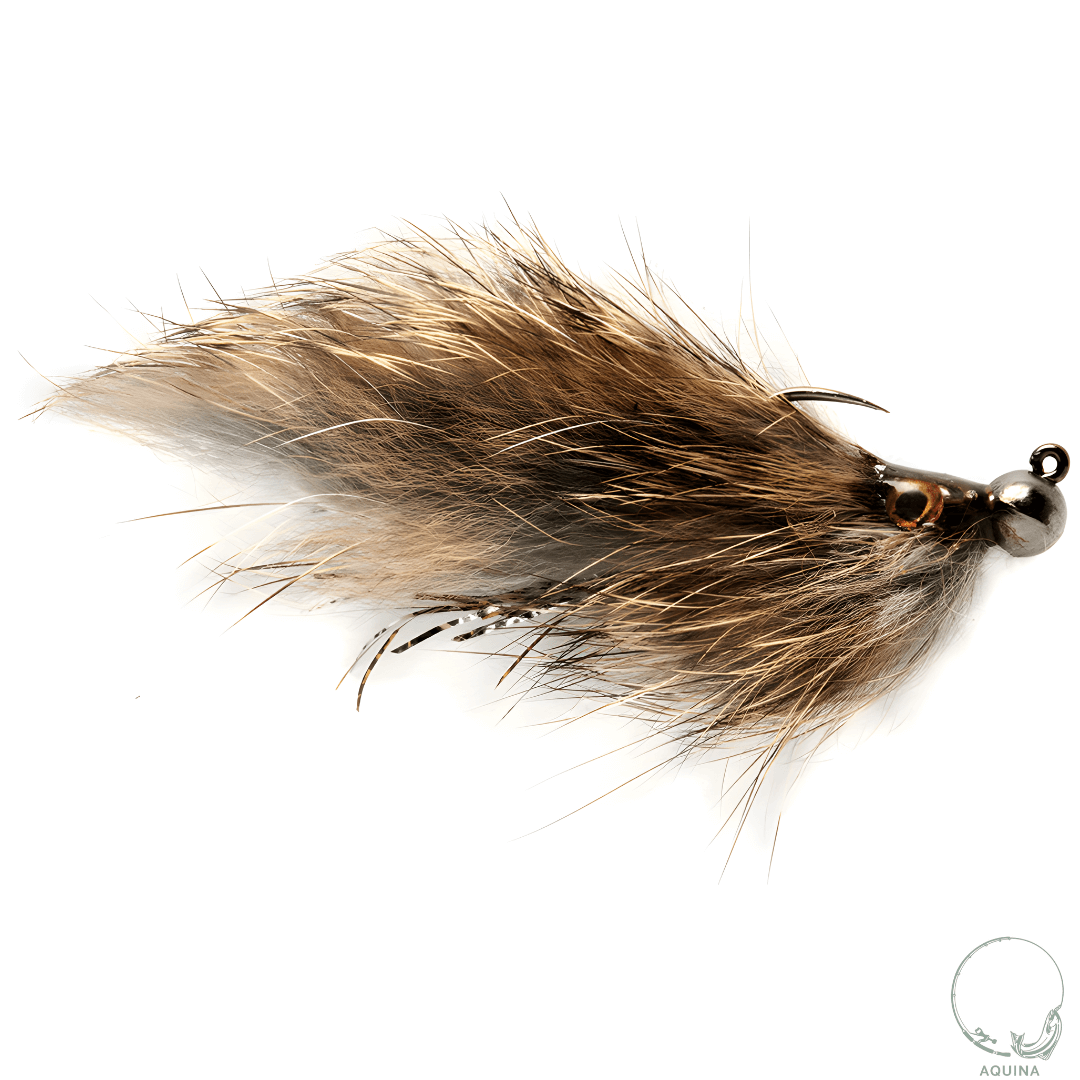
A minimalist jig streamer designed to imitate slender baitfish and aquatic fry with precision and efficiency.
The Croston’s Jig Pin, designed by George Croston, reflects a modern European approach to streamer fishing—compact, sparse, and highly functional. This fly emphasizes profile and motion rather than bulk, making it an excellent choice for pressured waters and selective fish.
Croston’s Jig Pin Key Features
- Slim, tapered body profile that closely imitates juvenile baitfish and aquatic fry.
- Jig-hook construction ensures the fly rides hook-point up, reducing snags near the bottom.
- Sparse synthetic materials allow the fly to cut through water cleanly without excessive resistance.
- Subtle flash elements add attraction while preserving a natural appearance.
- Lightweight design allows the fly to respond immediately to rod movement and current shifts.
Croston’s Jig Pin Best Season
Most effective from late spring through early autumn when small baitfish and fry are abundant. The pattern continues to perform well in winter when downsized presentations are required.
Croston’s Jig Pin Ideal Conditions
Ideal for clear water, tailwaters, and technical rivers where fish are wary of oversized or overly flashy patterns. The Jig Pin excels in moderate flows, glides, and seam water.
Croston’s Jig Pin Recommended Size
Typically tied in sizes #8 to #12 on barbless jig hooks, paired with small tungsten beads to maintain balance without overpowering the fly’s profile.
Croston’s Jig Pin Rigging and Presentation
Best fished on lighter tippets and longer leaders. Effective presentations include controlled dead drifts, subtle rod-tip lifts, and slow swings. The fly’s sparse construction makes it ideal for finesse streamer tactics.
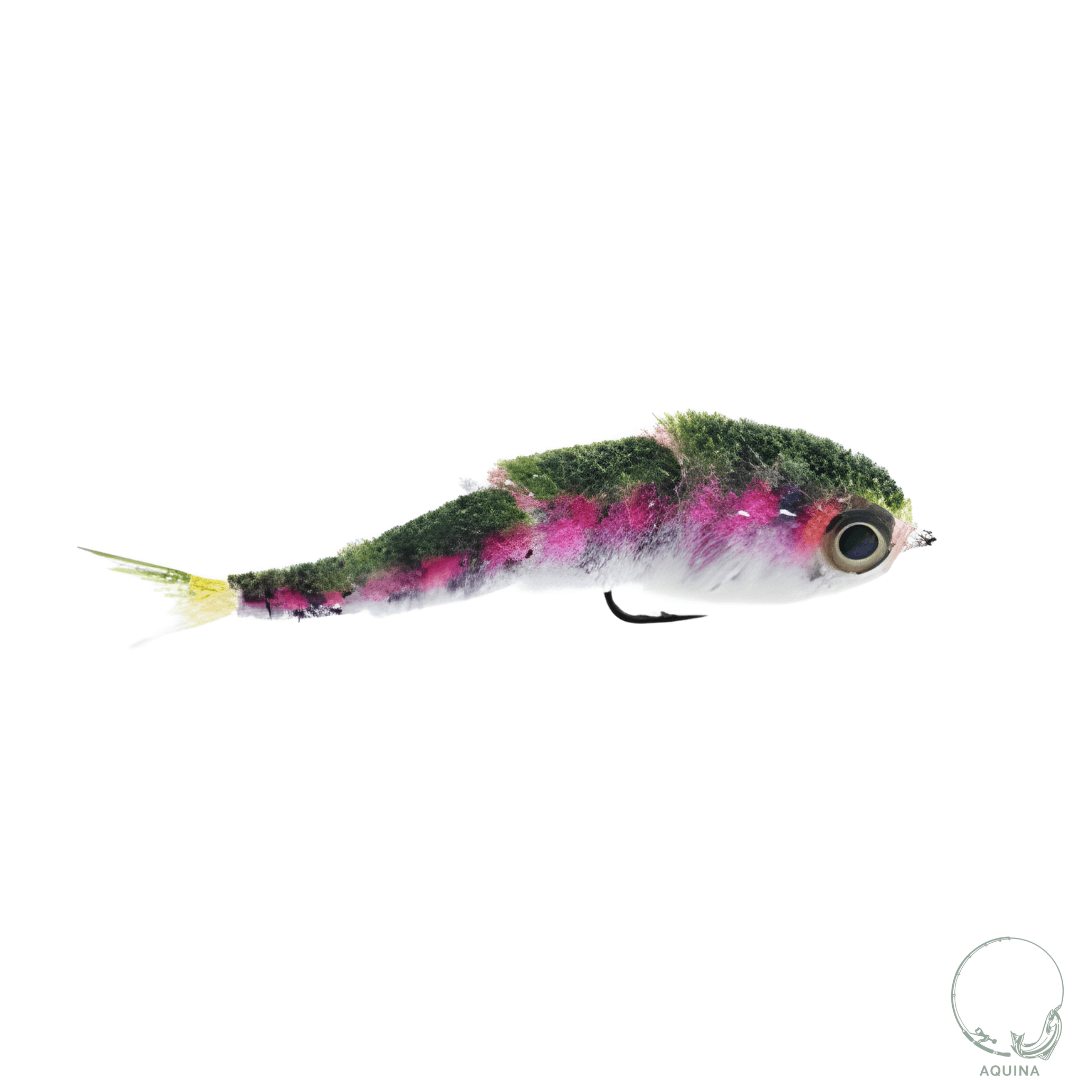
Developed by master tier Blane Chocklett, the Game Changer Minnow represents a complete departure from traditional streamer construction. This innovative pattern has evolved into an entire style of fly tying rather than just a single pattern, gaining worldwide popularity among serious anglers.
Game Changer Minnow Key Features
- The defining characteristic is its highly articulated, multi-segmented body designed to mimic a baitfish with exceptional realism.
- Multiple "spines" create a moveable tail that produces remarkable serpentine swimming action.
- The pattern can be tied with various materials including Body Wrap, EP fibers, craft fur, and feathers.
- Essentially functioning as a swim bait for fly rods, Game Changers generate maximum movement that attracts large predators.
- Notably, these flies demonstrate exceptional durability, with anglers often catching 50+ fish on a single fly.
Game Changer Minnow Best Season
This versatile pattern performs effectively year-round across diverse fisheries. Originally designed for trout, Game Changers now target everything from bass to pike in freshwater, plus redfish, tarpon, and snook in saltwater. For fall brown trout specifically, the pattern proves phenomenal as these fish look to bulk up before winter.
Game Changer Minnow Ideal Conditions
The Game Changer excels in situations demanding lifelike movement, primarily when fishing highly pressured water or during low flows. Its realistic profile and swimming action make it particularly effective when sight fishing in crystal clear water to larger, more discerning fish. First thing to remember: these patterns shine whenever predatory fish target baitfish.
Game Changer Minnow Recommended Size
Available in multiple lengths from micro versions (under 2") to substantial patterns (3.5" and larger), with 7-segment designs being common. The standard Game Changer measures approximately 3.5" (9cm), though custom versions can reach 12-14" for trophy species.
Game Changer Minnow Rigging and Presentation
The distinctive swimming action works best with a varied retrieve—short strips followed by a pause often trigger strikes. In fact, many hits occur during these pauses as the fly kicks and falls horizontally. A start-stop retrieve or hand-over-hand technique proves effective across various water types. For maximum effectiveness, let following fish turn away prior to setting the hook.
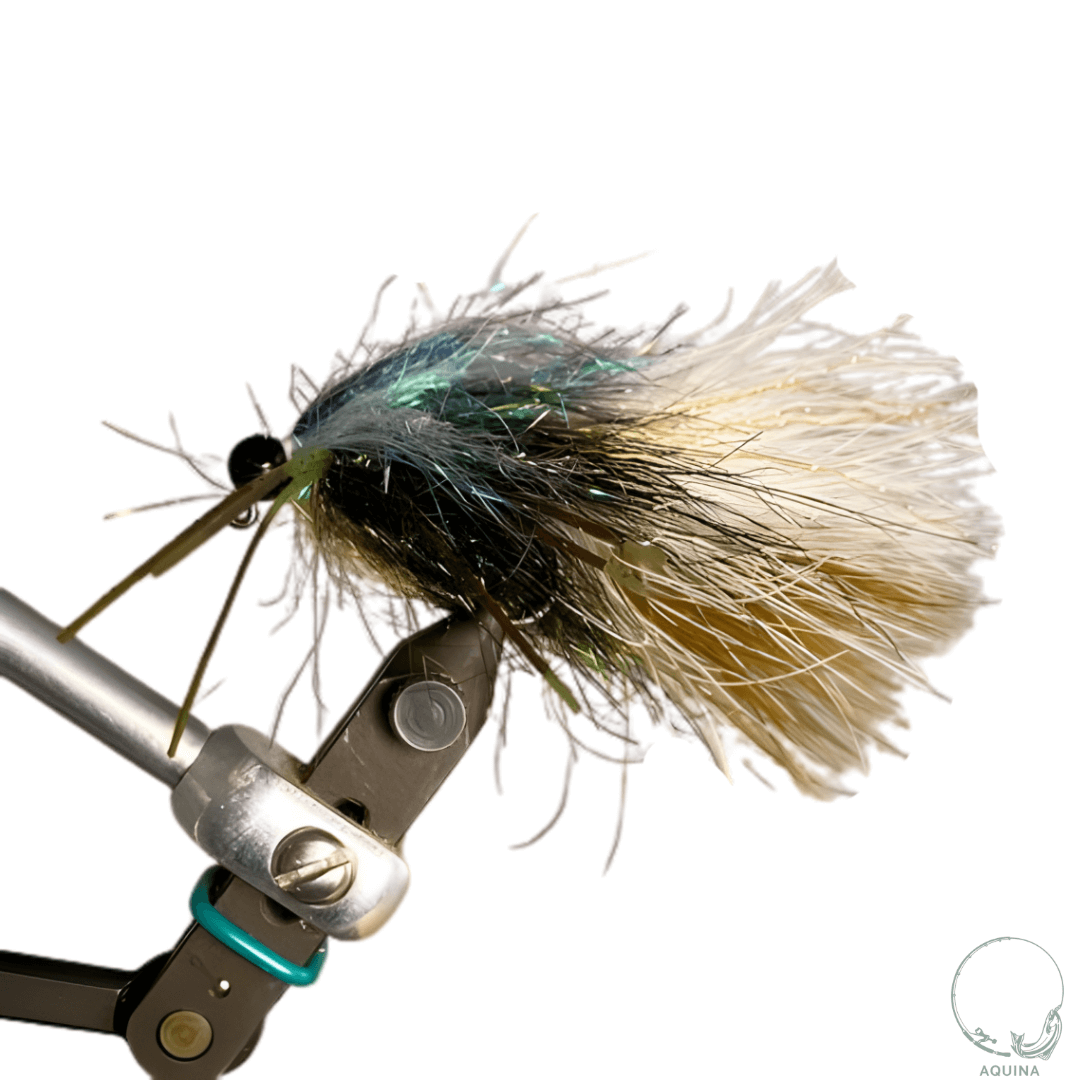
Originally designed by Pat Coffey, the Sparkle Minnow Jig stands among fly fishing's most reliable patterns, offering anglers a deadly effective baitfish imitation that performs across nearly any water condition.
Sparkle Minnow Jig Key Features
- This pattern creates an almost unfair advantage with its attention-getting flash wings and lifelike marabou tail that generates natural swimming action even when dead-drifted.
- The body consists primarily of gold ice dubbing brush with a pearl ice dubbing brush underbelly, creating a shimmering profile that mimics fleeing baitfish.
- Jig versions feature tungsten cone heads that help the fly penetrate quickly to desired depths while minimizing snags.
- Many anglers consider this pattern "the closest thing to cheating" in their fly box, as its combination of flash and movement proves irresistible to predatory fish.
Sparkle Minnow Jig Best Season
Throughout the year, the Sparkle Minnow Jig remains productive, yet it excels exceptionally during fall when predatory trout become more aggressive. For winter fishing, white or pearl colors work exceptionally well to imitate dying whitefish, making this pattern a standout performer even during coldest months. The jig version proves particularly valuable during spring high water conditions.
Sparkle Minnow Jig Ideal Conditions
This versatile pattern shines in slightly stained water after rainfall, precisely when visibility decreases and flash becomes crucial for attracting attention.9 According to experts, it performs remarkably in tailwaters when water releases from dam gates increase flow velocity. The pattern works effectively in slower pools along the Big Thompson or deeper pockets of the Poudre Canyon.
Sparkle Minnow Jig Recommended Size
Most commercially available versions come in size 4, tied on Dai-Riki #710 hooks. The jig variation typically includes a 7/32 black nickel bead for proper weight distribution. Smaller "mini" versions excel in low, clear water conditions.
Sparkle Minnow Jig Rigging and Presentation
Among all streamer patterns, this fly offers unmatched versatility in presentation methods. Anglers can fish it under an indicator as a dead-drifted streamer, banged against banks with aggressive strips, or swung through likely holding areas. For optimal jigging action, use a floating line with a 7.5' 2X leader, allowing for stealthy presentation. When retrieved with fast or medium strips followed by brief pauses, the fly creates a climbing and falling motion that triggers reaction strikes from bottom-hugging fish.

Tommy Lynch's Drunk & Disorderly has become a legendary streamer pattern known for its distinctive swimming action that mimics injured baitfish with exceptional realism.
Drunk & Disorderly Jig Key Features
- The defining characteristic of this pattern is its wedge-shaped deer hair head mounted on a 60-degree jig hook.
- This unique design creates an erratic, unpredictable swimming action as the fly is pulled from varying angles throughout retrieval.
- The articulated body consists of two hooks connected by wire, allowing for natural movement.
- A glass rattle can be added inside the body to attract fish through sound.
- Upon completion, the head should resemble a "door stop" and is typically coated with Solarez Thin resin for durability.
Drunk & Disorderly Jig Best Season
This pattern excels throughout fall streamer season as it consistently triggers aggressive responses from trophy brown trout. Even so, it remains effective year-round across diverse fishing scenarios.
Drunk & Disorderly Jig Ideal Conditions
The D&D performs exceptionally well in low, clear water where finesse is required. Alongside this, it shines in high, dirty water conditions where flash and sound become critical for attracting strikes.
Drunk & Disorderly Jig Recommended Size
Typically tied on Gamakatsu B10s hooks, sizes #2 and #4 for the front hook and #4 for the trailer hook.
Drunk & Disorderly Jig Rigging and Presentation
For optimal results, fish this pattern with a sink tip line. Retrieve with short, sharp strips rather than long pulls to achieve the distinctive "jerk-bait" action. The fly's design allows it to "swim out" between strips, creating an inconsistent, random flash that triggers predatory responses.
7. Polar Jig
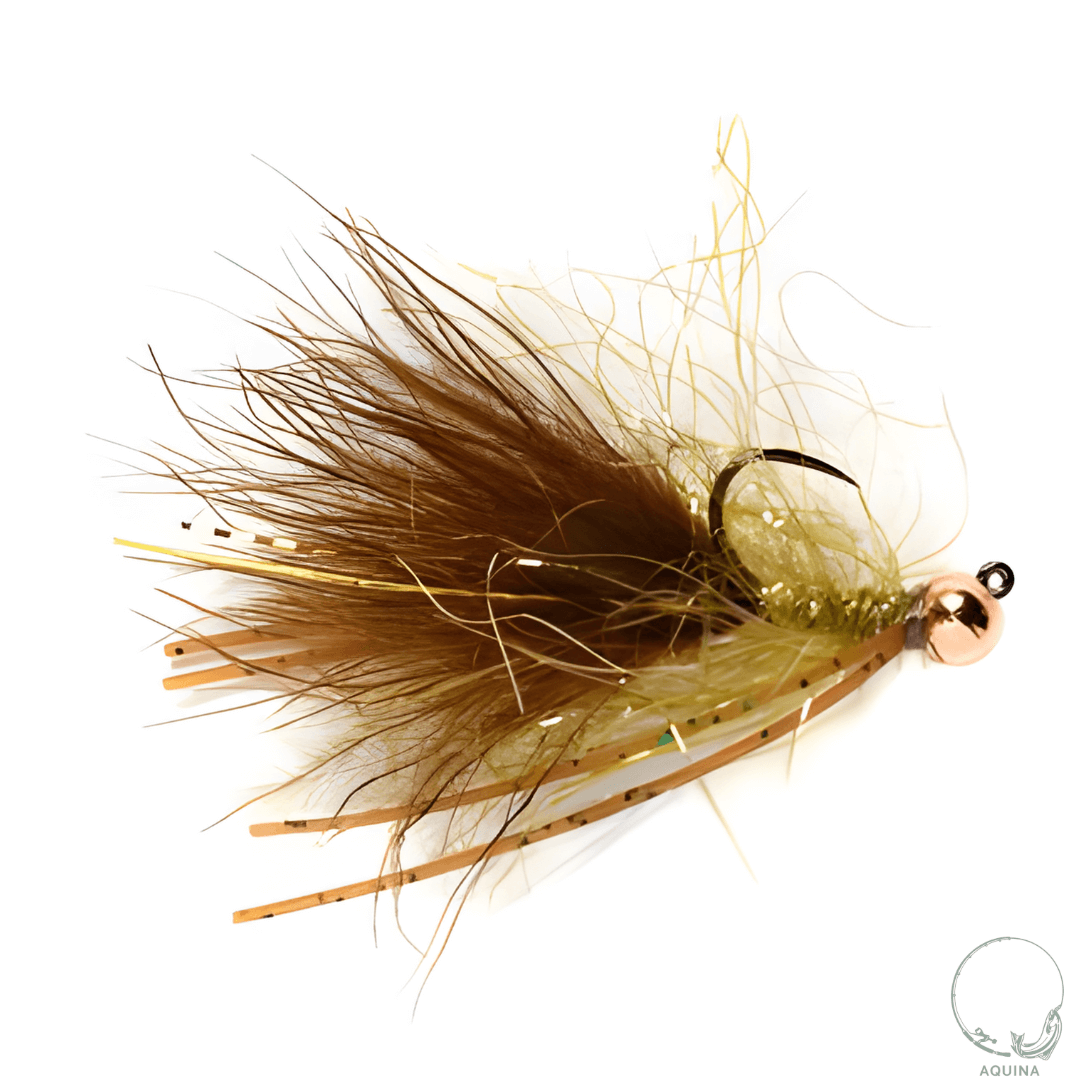
Champion angler George Daniel's Polar Jig epitomizes how effective simplicity can be in streamer design, establishing itself as a go-to pattern for serious fly anglers nationwide.
Polar Jig Key Features
- The Polar Jig combines marabou, polar chenille, and rubber legs with a 4.6mm tungsten bead, creating a pattern with exceptional movement and attraction potential.
- Its UV highlights prove remarkably effective at drawing attention in virtually any water condition.
- Alongside its natural movement, the fly's barbless design allows for easy catch and release.
- Despite its uncomplicated construction, this pattern demonstrates extraordinary durability, enabling anglers to catch multiple fish without changing flies.
Polar Jig Best Season
Typically, this pattern performs exceptionally well during colder months when trout become less aggressive and reluctant to chase streamers stripped quickly across currents. Yet its effectiveness extends year-round, making it a versatile addition to any fly box.
Polar Jig Ideal Conditions
The Polar Jig excels at accurately targeting pockets, depressions, undercut banks, and underwater shelves – precisely those tight, in-stream structures where traditional streamers struggle to reach. It remains effective across various water types, from clear streams to stained rivers.
Polar Jig Recommended Size
Usually tied on size 10 jig hooks with 4.6mm tungsten beads. The fly measures approximately 1.5 inches in length and comes in several productive colors including black, olive, and white.
Polar Jig Rigging and Presentation
For maximum effectiveness, fish this pattern on a European Style Nymphing setup with a level line and three-color sighter. The fly can be jigged along a downstream drift, stripped, or even dead-drifted under an indicator. It effectively represents sculpins, crayfish, leeches and numerous other prey items.
8. Jiggy Cray

Perfectly mimicking the defensive posture of a crayfish, the Jiggy Cray has established itself as a deadly effective pattern for both trout and smallmouth bass. This versatile jig streamer originated from George Daniel's adaptation of Pat Cohen's original design, creating a fly that excels in mimicking this crucial prey item.
Jiggy Cray Key Features
- The Jiggy Cray incorporates rubber legs that provide lifelike movement even with minimal current.
- Its jig-style hook and brass eyes maintain the hook riding upward, dramatically reducing snags when fished along rocky bottoms.
- The pattern features furry foam for enhanced durability and a more realistic crayfish profile.
- Pine squirrel zonker strips along the sides add crucial "life" to the pattern, creating natural movement with the slightest water disturbance.
Jiggy Cray Best Season
This pattern proves most effective during warm weather when anglers want to creep and crawl crayfish imitations along the bottom. The olive variation performs exceptionally well during spring, fundamentally changing how anglers approach crayfish imitations throughout the season.
Jiggy Cray Ideal Conditions
The Jiggy Cray excels in scenarios where smallmouth bass are actively feeding on crayfish, a staple of their diet. In comparison with other patterns, it performs better when fished in the "fleeing" position rather than the defensive stance of many traditional crayfish flies. Overall, this pattern works best when targeting structure and bottom zones where crayfish naturally reside.
Jiggy Cray Recommended Size
Typically tied on a size 2/0 jig-style hook for bass applications, with a total fly length of approximately 3.75 inches. For trout-focused versions, smaller sizes like #6 on Hanak H480BL hooks prove more appropriate.
Jiggy Cray Rigging and Presentation
For optimal presentation, fish this pattern with a slow, deliberate retrieve that mimics a crayfish's natural movement. The jig-style hook enables the fly to ride hook-point up, minimizing hangups while maintaining a realistic profile.16 Immediately after striking bottom, begin a slow, methodical retrieve with occasional pauses to trigger strikes from observing predators.

Kelly Galloup's Zoo Cougar stands as the pioneering pattern that launched the big-streamer revolution in fly fishing. Historically created in the mid-1990s for Michigan's Manistee River, this sculpin imitation has maintained its status as a trophy producer for decades.
Zoo Cougar Jig Key Features
- The Zoo Cougar features an unweighted design with a distinctive deer hair head that pushes water effectively.
- Its flat head, thick collar, and mallard flank wing create a natural fluttering action as currents touch the fly.
- Originally designed to mimic an injured sculpin, every component contributes to its remarkably lifelike movement.
Zoo Cougar Jig Best Season
Fall emerges as the prime season for fishing the Zoo Cougar. Yet many anglers report consistent success throughout the year, making this versatile pattern a four-season producer.
Zoo Cougar Jig Ideal Conditions
This pattern excels when fished in the upper water column, typically within two feet of the surface. Remarkably, it performs best with jerk-strip retrieves across currents where its injured-baitfish movement truly shines.
Zoo Cougar Jig Recommended Size
Typically tied on 4X-long, 2X-heavy streamer hooks in sizes 1-8. Size 4 remains the most popular option for general applications.
Zoo Cougar Jig Rigging and Presentation
Since the fly lacks weight, fishing it on a sinking-tip or full-sinking line proves essential. For optimal presentation, utilize short leader sections and employ a jerk-strip retrieve to maximize its distinctive wounded-baitfish action.
10. GD Sculp Snack

Renowned fly fishing instructor George Daniel's Sculp Snack stands out as a remarkably effective jig streamer pattern that epitomizes practical design. This tungsten-weighted streamer has earned its reputation as Daniel's favorite Euro jig streamer when targeting trophy trout.
GD Sculp Snack Key Features
- The GD Sculp Snack incorporates UV chenille that draws immediate attention from trout, subsequently triggering aggressive strikes.
- Its streamlined yet substantial profile paired with marabou tails generates lifelike movement even in minimal current.
- The pattern features light olive over tan marabou tails, a UV olive polar chenille body, and barred pumpkin sili legs—all elements working together to create an irresistible baitfish imitation.
- As a result, this pattern has produced countless hookups on both rivers and streams.
GD Sculp Snack Best Season
This weighted pattern excels as an early-season option thanks to its heavy construction, substantial profile, and fish-attracting motion and flash. In essence, it's designed to be effective whenever trout are actively feeding, making it a year-round producer in most watersheds.
GD Sculp Snack Ideal Conditions
The GD Sculp Snack performs admirably in a variety of water types. On this occasion, it's worth noting that medium to high flows often produce the best results, alongside slightly stained water where the UV components truly shine.
GD Sculp Snack Recommended Size
Commonly tied on Gamakatsu B10s hooks in sizes 4-8, with size 8 being the standard commercial offering.
GD Sculp Snack Rigging and Presentation
Fish this pattern on either a dedicated Euro nymphing setup or traditional streamer rig. The tungsten cone allows it to hit the strike zone quickly, making it effective when jigged through promising water.

Rich Strolis' Headbanger Sculpin has earned legendary status among articulated jig streamers for its remarkable ability to "drum up nice fish" in challenging conditions.
Headbanger Sculpin Key Features
- This articulated design features a sculpin helmet creating a realistic profile that mimics the darting action of sculpins along river bottoms.
- The weighted, articulated construction generates lifelike swimming motion that proves irresistible to predators.
- Available in multiple color combinations including Olive/Yellow, Tan/Ginger, and Black, the pattern incorporates materials like marabou, Estaz chenille, and schlappen hackle for enhanced movement.
Headbanger Sculpin Best Season
Year-round effectiveness makes this pattern a permanent addition to serious anglers' boxes. Nonetheless, this fly particularly excels during cold-water periods when fishing deeper water where trout hold. The Headbanger's ability to get down quickly makes it valuable whenever targeting bottom-hugging fish.
Headbanger Sculpin Ideal Conditions
Perfect for fishing deeper water sections, this pattern thrives when fished close to structure. In streamer fishing scenarios where anglers need a fly that penetrates quickly to desired depths, the Headbanger consistently produces results. Furthermore, its realistic design makes it effective even in clear water conditions.
Headbanger Sculpin Recommended Size
Typically tied in sizes from micro versions to standard #2 hooks. The standard size measures approximately 4.5 inches in length, whereas smaller versions extend about 3.5 inches.
Headbanger Sculpin Rigging and Presentation
For maximum effectiveness, fish this pattern with a stout leader on a floating line. The weighted design ensures it sinks quickly, hence requiring an opened casting stroke to prevent mishaps. Short, erratic strips often trigger explosive strikes from observing predators.

A compact sculpin imitation designed to combine realism, movement, and efficient depth control in a small, technical streamer profile.
Keslar’s Mini Gulp Sculp is a downsized sculpin-style jig streamer built to imitate juvenile sculpins and small bottom-dwelling forage. Rather than relying on bulk, the pattern emphasizes proportion, balance, and subtle motion. Its compact construction allows it to fish effectively in pressured water where larger sculpin patterns may appear excessive. The fly maintains a natural bottom-hugging posture while remaining responsive to both current and rod input.
Keslar’s Mini Gulp Sculp Key Features
- Jig-style hook design promotes a hook-point-up orientation, reducing snagging near the riverbed.
- A compact, weighted head provides quick depth penetration without overpowering the fly’s profile.
- Soft body materials create subtle movement that imitates the short, darting motions of juvenile sculpins.
- Carefully shaped head and body maintain a low, bottom-oriented silhouette.
- Sparse flash accents add dimension while preserving a natural, muted appearance.
Keslar’s Mini Gulp Sculp Best Season
This pattern excels year-round, with heightened effectiveness during late fall, winter, and early spring when fish rely heavily on sculpins as a consistent food source. Its smaller size makes it particularly effective during low, clear water conditions.
Keslar’s Mini Gulp Sculp Ideal Conditions
Best suited for freestone rivers, tailwaters, and pocket water where sculpins inhabit rocky substrate. The Mini Gulp Sculp performs well when fished close to structure, along seams, and through deeper runs where bottom-dwelling prey are common.
Keslar’s Mini Gulp Sculp Recommended Size
Typically tied in sizes #6 to #10 on jig hooks. Tungsten beads in the 3.0–4.0mm range are commonly used to balance sink rate and presentation.
Keslar’s Mini Gulp Sculp Rigging and Presentation
Fish on short leaders with fluorocarbon tippet for improved depth control. Effective presentations include tight-line drifts, short strips, and lift-and-drop techniques. The fly is most effective when allowed to maintain contact with the bottom while moving naturally with the current.

Introduced in spring 2010, Kelly Galloup's Articulated Boogie Man quickly established itself as a devastating trophy trout producer nationwide. Unlike many complex streamers, this pattern achieves its effectiveness through carefully selected materials that maximize movement in water.
Articulated Boogie Man Key Features
- The Articulated Boogie Man combines a wool head, lead eyes, and precisely measured cactus chenille that brings the fly to life underwater.
- Its articulated design uses two hooks connected with beads, creating fluid movement.
- Mallard duck flank feathers along the back generate side-to-side kicking action as water passes across the body.
- Most significantly, this pattern perfectly mimics sculpins, making it irresistible when these baitfish are present.
Articulated Boogie Man Best Season
Fall remains prime time for fishing this pattern, often producing larger fish during this season. Throughout autumn, aggressive brown trout become particularly susceptible to this sculpin imitation. Currently, many anglers find success with the Boogie Man year-round across diverse conditions.
Articulated Boogie Man Ideal Conditions
This pattern excels immediately after peak runoff when water runs high with reduced visibility. Such conditions push fish toward shorelines where the fly's profile and movement become particularly effective. Additionally, the Boogie Man performs admirably in smaller pockets and back eddies along banks.
Articulated Boogie Man Recommended Size
Standard sizes include #2 and #4, typically on predator-style hooks. The completed fly measures approximately 4 inches in length.
Articulated Boogie Man Rigging and Presentation
For optimal results, fish this pattern with a 7 or 8 weight rod and sink tip line. Upon casting to likely holding areas, make one big mend to allow the weighted fly to sink into the strike zone. Afterward, strip aggressively with your rod tip in the water for direct connection to strikes.
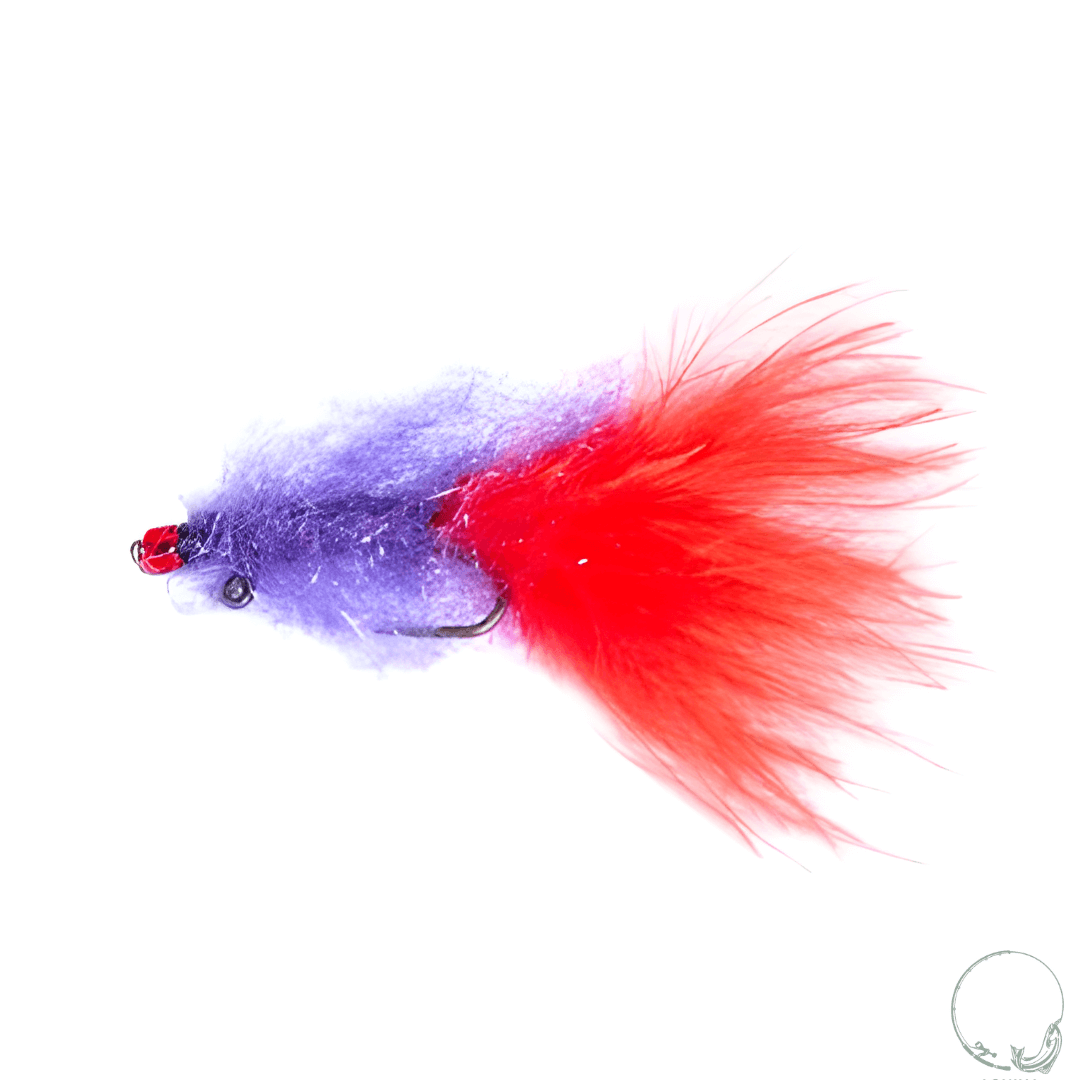
The Balanced Leech Jig revolutionizes traditional streamer presentations with its ingenious design that allows it to hang perfectly horizontal in the water column. Developed through the innovative "balanced" fly technique pioneered by Jerry McBride, this pattern has quickly established itself as a stillwater staple that every fly box deserves.
Balanced Leech Jig Key Features
- The defining characteristic of the Balanced Leech Jig is its unique construction using a jig hook with an extended tungsten bead tied to a dressmaker's pin protruding from the hook shank.
- This design positions the vertical hook eye near the center of the fly, enabling it to maintain a horizontal orientation underwater.
- Phil Winkler's variation incorporates a thin strip of Ultrasuede that forms an undulating tail mimicking a swimming leech's serpentine movement with remarkable accuracy.
- Typically tied with materials like marabou, Arizona Simi Seal dubbing, and various synthetic fibers, these flies are available in trout-focused colors including black, olive, blood, peacock, and purple.
Balanced Leech Jig Best Season
While effective throughout the year, the Balanced Leech Jig performs exceptionally well during overcast days and early or late hours when leeches are naturally more active. For summer fishing when surface waters warm considerably, fishing the pattern deeper proves especially productive as trout seek cooler depths. Many anglers consider this pattern a first-choice fly for both lakes and rivers regardless of season.
Balanced Leech Jig Ideal Conditions
This pattern excels in situations where traditional presentations struggle—namely windy conditions where subtle water chop provides natural jigging action. The Balanced Leech Jig stays in the strike zone longer at any depth compared to conventional patterns. For stillwater applications, the fly performs best when fished slightly higher in the water column, as leeches naturally occupy this zone.
Balanced Leech Jig Recommended Size
Commercial versions typically utilize size 8-12 jig hooks, with Fulling Mill jig force hook #12, Daiichi 4647, or Umpqua C400BL barbless being popular options. Bead sizes vary accordingly, with 3/16" (4.6mm) tungsten beads matching larger patterns while 2.88mm (7/64") tungsten beads suit smaller versions.
Balanced Leech Jig Rigging and Presentation
Unlike stripped streamers, the Balanced Leech Jig should be dead-drifted under an indicator. For optimal performance, use a non-slip mono loop knot to preserve the fly's natural movement. In lakes, cast against the wind-generated current for a slow, consistent drift. For river applications, incorporate the pattern into traditional nymph rigs or as a dropper beneath a dry fly. At the drift's end, many anglers tighten their line and allow the fly to swing toward shore, often triggering aggressive strikes from active fish.
15. Jig Zonker
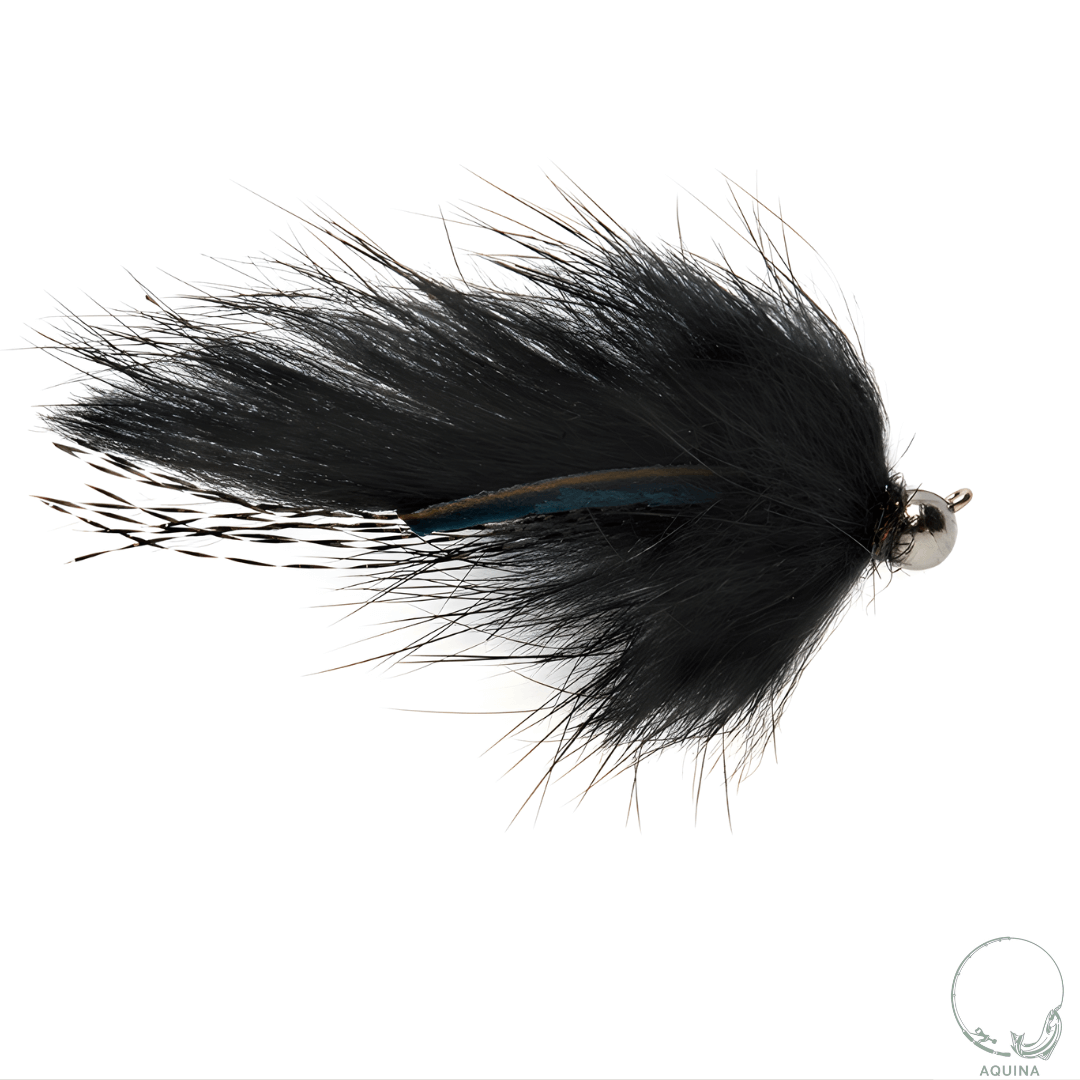
A jig-style adaptation of the classic zonker, combining rabbit-strip movement with modern hook orientation.
The Jig Zonker modernizes a proven streamer concept by pairing the irresistible motion of rabbit fur with a jig-hook platform. This results in a fly that delivers strong movement while remaining stable, snag-resistant, and effective in tight quarters.
Jig Zonker Key Features
- Rabbit strip body produces continuous, lifelike motion even at slow retrieve speeds.
- Jig-hook design keeps the fly riding hook-point up, reducing hang-ups near structure.
- Weighted head allows the fly to reach depth quickly while maintaining balance.
- Natural fur materials provide bulk and motion without excessive flash.
- Simple, durable construction ensures consistent performance over repeated use.
Jig Zonker Best Season
Performs exceptionally well during autumn and winter when fish respond to slower, more deliberate presentations. Remains effective year-round due to the universal appeal of rabbit-strip movement.
Jig Zonker Ideal Conditions
Best suited for deeper runs, undercut banks, and structure-heavy water. Particularly effective in slower currents and cold water where minimal movement is required to trigger strikes.
Jig Zonker Recommended Size
Commonly tied in sizes #4 to #8 on heavy-wire jig hooks, with tungsten beads sized to match target depth and flow speed.
Jig Zonker Rigging and Presentation
Fish on short leaders with fluorocarbon tippet. Effective techniques include slow strips, lift-and-drop motions, and controlled swings. The rabbit strip continues to move even during pauses, making the fly especially effective when fished slowly.
16. CDC Jig Streamer

A refined jig streamer designed to combine buoyant CDC fibers with controlled weight for a balanced, natural presentation.
The CDC Jig Streamer represents a modern approach to streamer design, blending nymphing materials with streamer functionality. By incorporating CDC, the fly achieves lifelike movement and subtle buoyancy while maintaining depth through a jig-hook and weighted head. The result is a streamer that hovers, pulses, and responds naturally in the water column rather than sinking aggressively.
CDC Jig Streamer Key Features
- Jig-hook construction ensures proper hook orientation and stable tracking through current.
- CDC fibers provide soft movement, natural pulsing, and slight lift that enhances realism.
- A tungsten bead balances the buoyancy of CDC, creating a controlled, neutral presentation.
- Sparse body design prevents material collapse and maintains a defined silhouette.
- Subtle flash or contrasting materials add visibility without overpowering the fly’s natural action.
CDC Jig Streamer Best Season
Highly effective throughout the year, especially during low-flow periods and colder months when fish respond better to slower, more natural movement. The pattern shines when subtlety is required.
CDC Jig Streamer Ideal Conditions
Ideal for clear water, technical rivers, and pressured fisheries. The CDC Jig Streamer performs exceptionally well in glides, seams, and moderate currents where a hovering, controlled presentation is more effective than aggressive stripping.
CDC Jig Streamer Recommended Size
Commonly tied in sizes #8 to #12. Tungsten beads are sized carefully to offset CDC buoyancy without forcing the fly unnaturally deep.
CDC Jig Streamer Rigging and Presentation
Best fished on Euro-style or light streamer leaders. Present with controlled drifts, gentle rod lifts, or slow swings. The fly excels when allowed to pulse and hover naturally in the water column rather than being stripped aggressively.

John Barr's Conehead Slumpbuster Jig has rightfully earned its nickname as a "trophy trout killer" among serious fly anglers seeking consistent results in diverse conditions.
Conehead Slumpbuster Jig Key Features
- This modern streamer pattern pushes substantial water with its conehead design while swimming naturally to provoke aggressive strikes.
- The sleek profile perfectly imitates sculpins, leeches, or baitfish, making it deadly effective when predators seek larger meals.
- Its matuka-style fur strip wing breathes seductively without fouling, typically constructed with pine squirrel zonker strips.
- The pattern combines flashy underbody materials with a durable conehead, creating a lifelike profile that pulses with every strip or swing.
Conehead Slumpbuster Jig Best Season
This versatile pattern performs effectively year-round yet proves exceptionally productive during low-light conditions, spring runoff, or fall streamer season. Practically speaking, many anglers never hit the water without a Slumpbuster in their box, considering it essential equipment for exploring promising water.
Conehead Slumpbuster Jig Ideal Conditions
The Slumpbuster excels in freestones, tailwaters, and larger rivers where predatory fish ambush prey.26 Ultimately, it's most effective in off-colored water or when swinging through dark undercuts. Many guides consider this pattern their first choice whenever water clarity diminishes.
Conehead Slumpbuster Jig Recommended Size
Typically tied on TMC 5262 hooks in sizes 2-10, with most anglers favoring sizes 4-6 for general applications. Coneheads can be brass or tungsten, sized appropriately to the hook.
Conehead Slumpbuster Jig Rigging and Presentation
Cast toward the bank and retrieve with erratic strips, varying speed and cadence until fish show preference. Occasionally, long slow strips produce results while at other times fast, aggressive retrieves trigger strikes. For swinging streamers in high water conditions, few patterns match its effectiveness.
18. Olive Bugger Jig
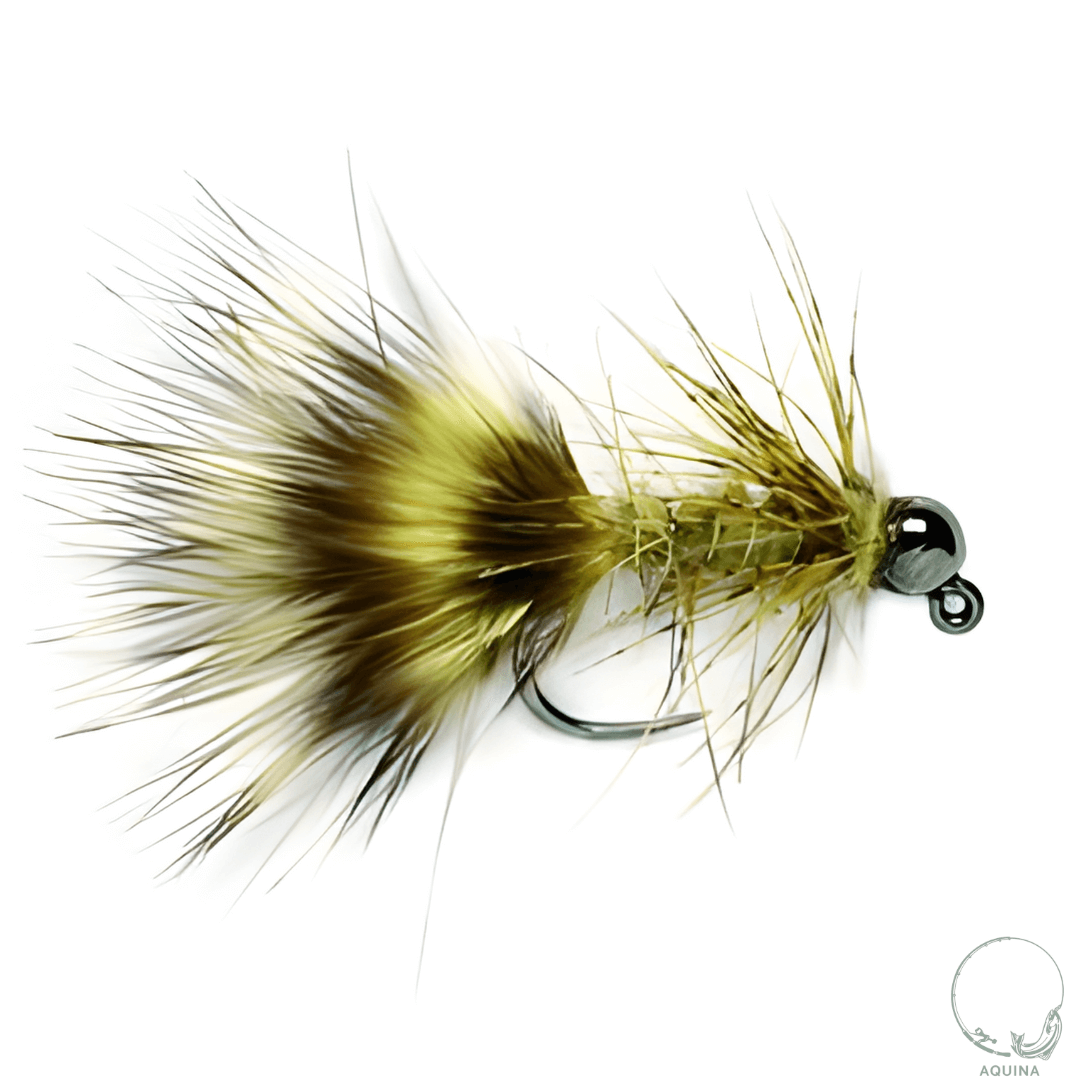
The Olive Bugger Jig represents an evolution of possibly the most versatile fly pattern ever created, with modifications that enhance its effectiveness across virtually all water types. This impressionistic pattern imitates minnows, sculpins, leeches, crayfish, and numerous other prey items through simple yet effective design.
Olive Bugger Jig Key Features
- The defining element is its marabou tail which creates lifelike underwater action that fish simply cannot resist.
- The tungsten bead head gets the fly into feeding zones faster, coupled with the jig hook design that reduces snags as the hook rides upward.
- Featuring a combination of hackle and marabou feathers, this pattern proves irresistible to multiple species from trout to bass.
Olive Bugger Jig Best Season
Throughout the year, this pattern remains productive, yet excels during low-light conditions—early morning, late evening, and after dark. In fact, fishing larger-sized Wooly Buggers after 10 p.m. has produced some of the biggest catches on record.
Olive Bugger Jig Ideal Conditions
Undoubtedly effective in all waters—ponds, lakes, slow rivers, and fast rivers. The black and olive combination stands out as the most productive for trout and bass. This jig version performs exceptionally in undercut banks and around structure.
Olive Bugger Jig Recommended Size
Available in sizes from #8-12 on barbless jig hooks, with the total length of a #10 measuring approximately 1.375".
Olive Bugger Jig Rigging and Presentation
Fish using a strip-strip-pause retrieve method, allowing the weighted fly to sink between motions. Concurrently, jigging techniques work effectively with this pattern, either fished alone or as an anchor fly in a multi-fly setup.

The Tactical Jig Bugger is a refined, competition-style evolution of the traditional Woolly Bugger. It is specifically designed for the "slop-and-pop" style of Euro-streamer fishing, where a fly must sink instantly and maintain a vertical orientation.
Tactical Jig Bugger Key Features
- Features an oversized tungsten bead combined with a 60-degree jig hook for rapid descent and snag resistance.
- Incorporates high-mobility "soft" hackle or hen skin instead of traditional rooster hackle to maximize movement in slow water.
- Typically tied with a "hot spot" collar of UV dubbing to act as a visual trigger in deep or murky pools.
- The tail is comprised of select "short" marabou to prevent fouling around the hook bend during aggressive jigging motions.
Tactical Jig Bugger Best Season
While effective year-round, this pattern is a standout during the winter and early spring. When trout are sluggish and pinned to the bottom, the high-frequency jigging action of this fly often induces a "mercy strike" from fish that won't chase a moving streamer.
Tactical Jig Bugger Ideal Conditions
Excels in deep, fast-moving pockets and narrow chutes where you have a very small window to get the fly down. It is the premier choice for "tight-line" streamer tactics in high-gradient mountain streams.
Tactical Jig Bugger Recommended Size
Commonly tied on size 8 to 12 jig hooks with bead sizes ranging from 3.8mm to 4.6mm depending on depth requirements.
Tactical Jig Bugger Rigging and Presentation
Best fished on a dedicated Euro-nymphing rig. Cast slightly upstream, let the fly "thud" into the bottom, and then lift the rod tip in a rhythmic "hopping" motion as the fly drifts through the strike zone.
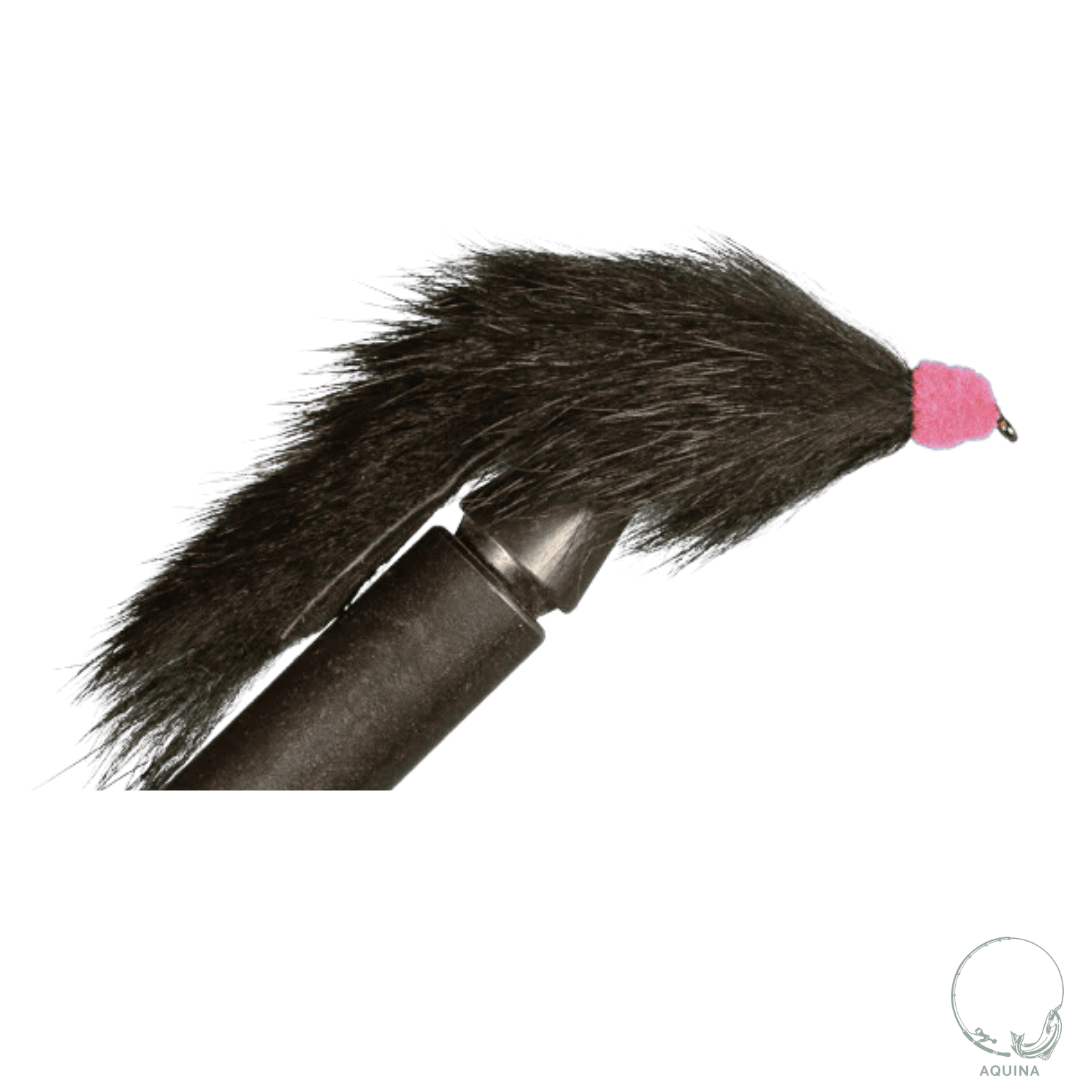
The Micro Bunny Leech bridges the gap between a nymph and a streamer. It is often the "secret weapon" for anglers fishing tailwaters where trout see heavy pressure and shy away from large, flashy patterns.
Micro Bunny Leech Key Features
- Utilizes a "micro-pine" squirrel or rabbit strip that is significantly thinner than standard zonkers.
- The weighted head is often a matte-finished tungsten bead to reduce unnatural glare in clear water.
- Features a slim, dubbing-loop body that creates a translucent profile when wet.
- Designed to ride hook-point up to allow for "crawling" retrieves along silty or rocky bottoms.
Micro Bunny Leech Best Season
This pattern is most productive during late fall and winter. During these months, natural leeches are a primary high-protein food source, and trout are often keyed into smaller, more subtle movements.
Micro Bunny Leech Ideal Conditions
Ideal for low, clear water and spring creeks. It performs best in slow-moving tailwaters or the deep, calm eddies of larger rivers where a stealthy approach is required.
Micro Bunny Leech Recommended Size
Generally tied in smaller sizes, ranging from #10 down to #14, to maintain a "micro" silhouette.
Micro Bunny Leech Rigging and Presentation
Can be fished effectively under a buoyant dry fly as a "dry-dropper" or on a long, fine leader with a slow, hand-over-hand retrieve. The goal is to keep the tail pulsing without moving the fly too far forward.

Originally a nymph pattern by Devin Olsen, the "Blowtorch" has been adapted into a jig-streamer format. It relies on the principle of "attraction through contrast," using bright colors and high-mobility materials to provoke reaction strikes.
Olsen’s Blowtorch Streamer Key Features
- Features a prominent "tag" of fluorescent orange or pink CDC or marabou at the tail.
- The body is constructed from iridescent Ice Dub, creating a "shimmer" effect similar to baitfish scales.
- Includes a soft-hackle CDC collar that traps air bubbles, mimicking the respiration of a natural aquatic organism.
- Built on a heavy-gauge jig hook to handle large fish in heavy current.
Olsen’s Blowtorch Streamer Best Season
This is a phenomenal "searching" pattern for the spring months. As water levels rise and visibility fluctuates, the bright hot-spots help fish locate the fly in the "noise" of the current.
Olsen’s Blowtorch Streamer Ideal Conditions
Performs best in slightly off-colored water or during high-sun periods when the UV dubbing can catch and refract light.
Olsen’s Blowtorch Streamer Recommended Size
Standardized on size 10 and 12 jig hooks.
Olsen’s Blowtorch Streamer Rigging and Presentation
Fish this on a tight-line rig. Use a "twitch-drift" technique: allow the fly to drift naturally, but give the rod tip a sharp 2-inch flick every few seconds to make the CDC collar flare and the "hot tag" dance.

A refined European-style jig streamer designed to imitate small silver baitfish with subtle flash and precise balance.
The Croston’s Euro Jig Silver Fish Barbless is a technical streamer built for anglers who value control, realism, and efficiency. Designed to mimic small, light-bodied baitfish, this pattern emphasizes understated flash and clean movement rather than aggressive vibration.
Croston’s Euro Jig Silver Fish Barbless Key Features
- Barbless jig hook promotes ethical fishing and quick hook release while maintaining strong hook-up rates.
- Silver-toned synthetic fibers create a clean, reflective baitfish profile without excessive brightness.
- Balanced tungsten bead ensures a controlled sink rate and stable tracking through varied currents.
- Sparse construction prevents material fouling and preserves a crisp silhouette underwater.
- Jig orientation keeps the fly riding hook-point up, improving performance near the riverbed.
Croston’s Euro Jig Silver Fish Best Season
Highly effective year-round, particularly during low, clear water conditions when fish demand realistic, low-impact presentations.
Croston’s Euro Jig Silver Fish Ideal Conditions
Designed for tailwaters, spring creeks, and heavily pressured rivers. Excels in slower runs, deeper glides, and technical seams where subtlety is critical.
Croston’s Euro Jig Silver Fish Recommended Size
Most commonly tied in sizes #10 to #14, paired with small to medium tungsten beads depending on depth and flow requirements.
Croston’s Euro Jig Silver Fish Rigging and Presentation
Ideal for Euro-nymph-style leaders or light streamer setups. Fish with controlled drifts, gentle lifts, and slow swings. The fly performs best when allowed to move naturally with minimal rod input.

This is the technical "Euro" version of the classic Sparkle Minnow. It strips away the excess bulk of the original to create a fly that dives like a rock but retains all the "flash-and-trash" appeal that makes the original so deadly.
Tungsten Jig Sparkle Minnow Key Features
- Built with a slimmed-down dubbing brush body to reduce water resistance for a faster sink rate.
- Features an oversized tungsten slotted bead, often in gold or copper.
- The marabou tail is tied "stiff" with a few strands of flashabou to prevent it from wrapping around the hook point.
- Includes a small "thorax" of contrasting dubbing to mimic the dark gills of a baitfish.
Tungsten Jig Sparkle Minnow Best Season
A summer favorite, especially during the "golden hour" of dawn and dusk. The flash is highly effective when the sun is at a low angle, reflecting off the fly and calling fish from a distance.
Tungsten Jig Sparkle Minnow Ideal Conditions
Clear water with high light penetration. It is also excellent for "stacked" water where you need to reach fish holding beneath a shelf in a deep pool.
Tungsten Jig Sparkle Minnow Recommended Size
Size 8 is the "sweet spot" for this pattern.
Tungsten Jig Sparkle Minnow Rigging and Presentation
Fish this on a standard streamer leader. Cast 45 degrees downstream and use a "pump" retrieve—lift the rod tip 3 feet, then drop it quickly. This makes the fly "climb and dive" through the water column.

The Pine Squirrel Euro Jig is a masterclass in "micro-movement." Pine squirrel is much finer than rabbit, allowing for a fly that looks alive even when held perfectly still in the current.
Pine Squirrel Euro Jig Key Features
- Features a "skin-on" pine squirrel tail that provides a rigid but mobile structure.
- The body is ribbed with silver or gold wire to add segmenting and protect the fur from trout teeth.
- A "dubbing loop" collar of squirrel fur creates a spikey, natural-looking profile that mimics a sculpin’s pectoral fins.
- Small tungsten bead is tucked inside a fur collar for a seamless, natural look.
Pine Squirrel Euro Jig Best Season
Winter through early spring. As trout focus on sculpins and leeches during the "bug-less" months, the natural earthy tones of pine squirrel are unmatched.
Pine Squirrel Euro Jig Ideal Conditions
Stable, clear flows. This is a finesse streamer for when "loud" and "flashy" flies are scaring the fish.
Pine Squirrel Euro Jig Recommended Size
Size 10 or 12.
Pine Squirrel Euro Jig Rigging and Presentation
Fish this "low and slow." Let it tumble along the bottom like a dead-drifting sculpin, occasionally "ticking" the bottom to kick up small puffs of silt

The Iron Mask Sculpin uses a specialized "Sculpin Helmet" or heavy tungsten mask to create the most realistic head profile possible while ensuring the fly always rides hook-up.
The Iron Mask Sculpin Key Features
- Incorporates a pre-formed "Sculpin Helmet" that adds significant weight and a wide, flat visual profile.
- Features 3D "living eyes" attached to the mask for added realism.
- The body uses a combination of rabbit fur and "barred" rubber legs to simulate the mottled skin of a sculpin.
- Designed with a "trailing hook" setup in some variations to catch "short-striking" fish.
The Iron Mask Sculpin Best Season
Spring runoff and fall. The heavy weight is needed to reach the bottom during spring flows, and the realistic sculpin profile is vital for fall brown trout.
The Iron Mask Sculpin Ideal Conditions
Heavy current and deep river channels. If you need to reach the bottom of a 6-foot deep run in a fast river, this is the fly to use.
The Iron Mask Sculpin Recommended Size
Size 2 or 4.
The Iron Mask Sculpin Rigging and Presentation
Fish this on a heavy sinking line. Cast directly across the stream and let the line "belly" out. The weight of the mask will keep the fly on the bottom while the current swings it across the river in a "search and destroy" arc.
Jig Streamer Pattern Comparison Table
| Fly Pattern | Key Features | Best Season | Ideal Conditions | Recommended Size | Rigging & Presentation |
|---|---|---|---|---|---|
| Jiggy Sculp Snack | UV chenille, rubber legs, marabou, conehead | Early season | Freestones & tailwaters | Size 4–8 | Euro-nymph setup, downstream drift |
| Jiggy Fat Minnow | Full-bodied synthetic profile, jig hook, tungsten bead | Year-round | Moderate to fast flows | Size 4–8 | Euro or light streamer rig, short strips |
| Croston’s Jig Pin | Slender minnow profile, tungsten bead, sparse flash | Winter / Spring | Clear water, technical drifts | Size 10–14 | Euro-nymph rig, controlled swing |
| Game Changer Minnow | Multi-segmented, articulated spine | Year-round | Clear water, pressured fish | 3.5" (9 cm) | Varied retrieve with pauses |
| Sparkle Minnow Jig | Ice dub body, marabou tail, tungsten | Fall / Winter | Stained water, tailwaters | Size 4 | Floating line, 7.5' 2X leader |
| Drunk & Disorderly | Wedge head, articulated, rattle option | Fall | Low-clear or high-dirty water | #2 – #4 | Sink tip, short sharp strips |
| Polar Jig | Marabou, UV polar chenille, rubber legs | Cold months | Pockets & undercut banks | Size 10 | Euro-nymph rig, active jigging |
| Jiggy Cray | Rubber legs, brass eyes, furry foam | Warm weather | Bottom structure & bass | 2/0 (Bass), #6 (Trout) | Slow, methodical bottom crawl |
| Zoo Cougar Jig | Deer hair flat head, mallard wing | Fall | Upper water column (2 ft) | Sizes 1–8 | Sinking-tip, jerk-strip retrieve |
| GD Sculp Snack | UV olive chenille, tungsten cone | Early season | Medium-high flows | Size 4–8 | Euro-nymph or streamer rig |
| Headbanger Sculpin | Sculpin helmet, articulated design | Year-round | Deep sections, structure | #2 – #4 | Stout leader, floating line |
| Keslar’s Mini Gulp Sculp | Compact sculpin profile, jig hook, weighted head | Early season | Pocket water, rocky runs | Size 6–10 | Euro-nymph rig, lift-and-drop |
| Articulated Boogie Man | Wool head, lead eyes, cactus chenille | Fall | High water, low visibility | #2 – #4 | 7–8 wt rod, sink tip line |
| Balanced Leech Jig | Extended pin bead, horizontal balance | Year-round | Windy lakes & stillwater | Sizes 8–12 | Dead-drift under indicator |
| Jig Zonker | Rabbit strip body, jig hook, tungsten bead | Fall / Winter | Tailouts & soft seams | Sizes 6–10 | Euro or light streamer swing |
| Conehead Slumpbuster | Matuka-style fur, conehead | Low light | Deep undercuts & murky water | Sizes 2–10 | Erratic strips, bank casting |
| Olive Bugger Jig | Marabou tail, tungsten bead | Low light | All water types | Sizes 8–12 | Strip–strip–pause method |
| Tactical Jig Bugger | Oversized bead, hen hackle, hot spot | Winter / Spring | Deep pockets, fast chutes | Sizes 8–12 | Euro-rig, rhythmic hopping |
| Micro Bunny Leech | Pine squirrel strip, matte bead | Fall / Winter | Clear water, tailwaters | Sizes 10–14 | Slow, hand-over-hand crawl |
| Olsen’s Blowtorch | Hot-tag tail, CDC collar, Ice Dub | Spring | Off-colored water | Sizes 10–12 | Tight-line, twitch-drift |
| CDC Jig Streamer | CDC fibers, tungsten bead, jig hook | Year-round | Slow seams, technical water | Sizes 10–14 | Euro-nymph or light swing |
| Sparkle Minnow (Jig) | Technical slim body, gold slotted bead | Summer | High light, stacked water | Size 8 | Streamer pump retrieve |
| Pine Squirrel Euro Jig | Skin-on squirrel tail, dubbing loop | Winter / Spring | Stable, clear flows | Sizes 10–12 | Low and slow, bottom ticking |
| Iron Mask Sculpin | Metal sculpin mask, 3D eyes | Runoff / Fall | Fast current, deep channels | Sizes 2–4 | Heavy sink line, cross-stream swing |
| Croston’s Euro Jig Silver Fish Barbless | Slim silver baitfish profile, barbless jig hook | Winter / Spring | Clear, pressured rivers | Sizes 12–16 | Euro-nymph rig, precise drifts |
Conclusion
Armed with the knowledge of these effective jig streamer patterns, any serious fly angler stands prepared to tackle challenging water conditions regardless of season or location. Though each pattern brings unique strengths to your fly box, they share common advantages – reduced snags, better depth control, and lifelike movement that triggers predatory responses from trophy trout.
Jig streamers fundamentally change how anglers approach structure-laden streams or pocket water. Their ability to penetrate tight spots where conventional patterns struggle makes them particularly valuable assets for technical fishing scenarios. Additionally, their weighted designs allow precise placement in feeding zones without requiring heavy sink-tip lines.
Experienced anglers understand the importance of versatility when selecting flies. Accordingly, this collection covers everything from micro jigs perfect for pressured fish to substantial articulated patterns capable of enticing the largest predators. Regardless of water clarity, flow rate, or target species, at least several patterns from this lineup will perform admirably under those specific conditions.
Weather conditions certainly impact fly selection, yet another benefit of jig streamers involves their effectiveness across varying light levels. Whereas many conventional patterns perform optimally during specific periods, these specialized designs maintain productivity during early mornings, bright afternoons, and evening hours alike.
Materials play crucial roles in each pattern's effectiveness. Marabou creates subtle movement even in minimal current. UV chenille generates attention-grabbing flash. Rubber legs pulsate enticingly during the drift. These thoughtfully incorporated elements combine to form patterns that suggest life rather than merely representing it.
Therefore, consider building your collection strategically. Start with versatile patterns like the Olive Bugger Jig and Jiggy Sculp Snack before adding specialized designs targeting specific prey items or fishing scenarios. Eventually, a comprehensive selection ensures readiness for any angling opportunity that presents itself.
Above all, remember that confidence significantly influences fishing success. After familiarizing yourself with these patterns, select favorites and fish them thoroughly across various retrieves and depths. The resulting firsthand knowledge ultimately proves more valuable than carrying dozens of untested patterns. Through consistent application, these jig streamers will undoubtedly become permanent fixtures in your fly box, producing memorable catches throughout your angling adventures.
Key Takeaways
These essential insights will help you select and fish the most effective jig streamer patterns for consistent trophy trout success:
- Jig streamers excel where traditional patterns fail - their weighted design and upward-riding hooks penetrate tight structure, undercuts, and pocket water that swinging sink-tips can't reach effectively.
- Master versatile foundational patterns first - start with proven producers like the Jiggy Sculp Snack, Olive Bugger Jig, and Sparkle Minnow before expanding to specialized designs.
- Presentation technique matters more than pattern selection - vary your retrieve with jigging motions, strip-pause cadences, and dead-drifts to trigger strikes from different feeding behaviors.
- Match pattern size and weight to water conditions - use micro jigs (sizes 8-14) for pressured fish in clear water, larger articulated patterns (sizes 2-4) for aggressive predators in stained flows.
- Strategic color selection increases success rates - olive excels in spring, white/pearl dominates winter conditions, and UV materials provide crucial attraction in off-colored water.
The key to jig streamer success lies in understanding that these patterns represent a fundamental shift from traditional streamer fishing. Rather than simply imitating baitfish, they create irresistible movement and positioning that triggers predatory responses even from cautious trophy trout.
Faqs About Jig and Euro Streamer fishing flies
What are some top jig streamer patterns for trout?
Some highly effective jig streamer patterns for trout include the Jiggy Sculp Snack, Sparkle Minnow Jig, Game Changer Minnow, Bunny Bullet Sculpin, and Olive Bugger Jig. These patterns combine lifelike movement, flash, and weighted designs to trigger strikes from trophy trout.
How should I fish a jig streamer for best results?
For optimal results, fish jig streamers with short, sharp strips followed by pauses to create an erratic, lifelike action. Vary your retrieve speed and cadence until you find what triggers strikes. Allow the fly to sink to the desired depth before beginning your retrieve, especially in deeper pools or runs.
When is the best time to use jig streamers?
Jig streamers are effective year-round but excel during colder months when trout are less aggressive. They're particularly productive during fall when predatory fish are bulking up for winter, in spring during higher flows, and in low-light conditions like early mornings or evenings.
What rod weight is ideal for fishing jig streamers?
A 7 or 8 weight rod is generally recommended for fishing jig streamers. This provides enough backbone to cast heavier flies and control larger fish. Pair your rod with a good sink-tip line to help get your flies down to the desired depth quickly.
How do I choose the right size of jig streamer?
Select jig streamer size based on water conditions and target fish. Use smaller sizes (8-14) in clear water or for pressured fish. Opt for larger sizes (2-6) in stained water or when targeting aggressive, trophy-sized trout. Match the streamer size to the prevalent baitfish in the water you're fishing.